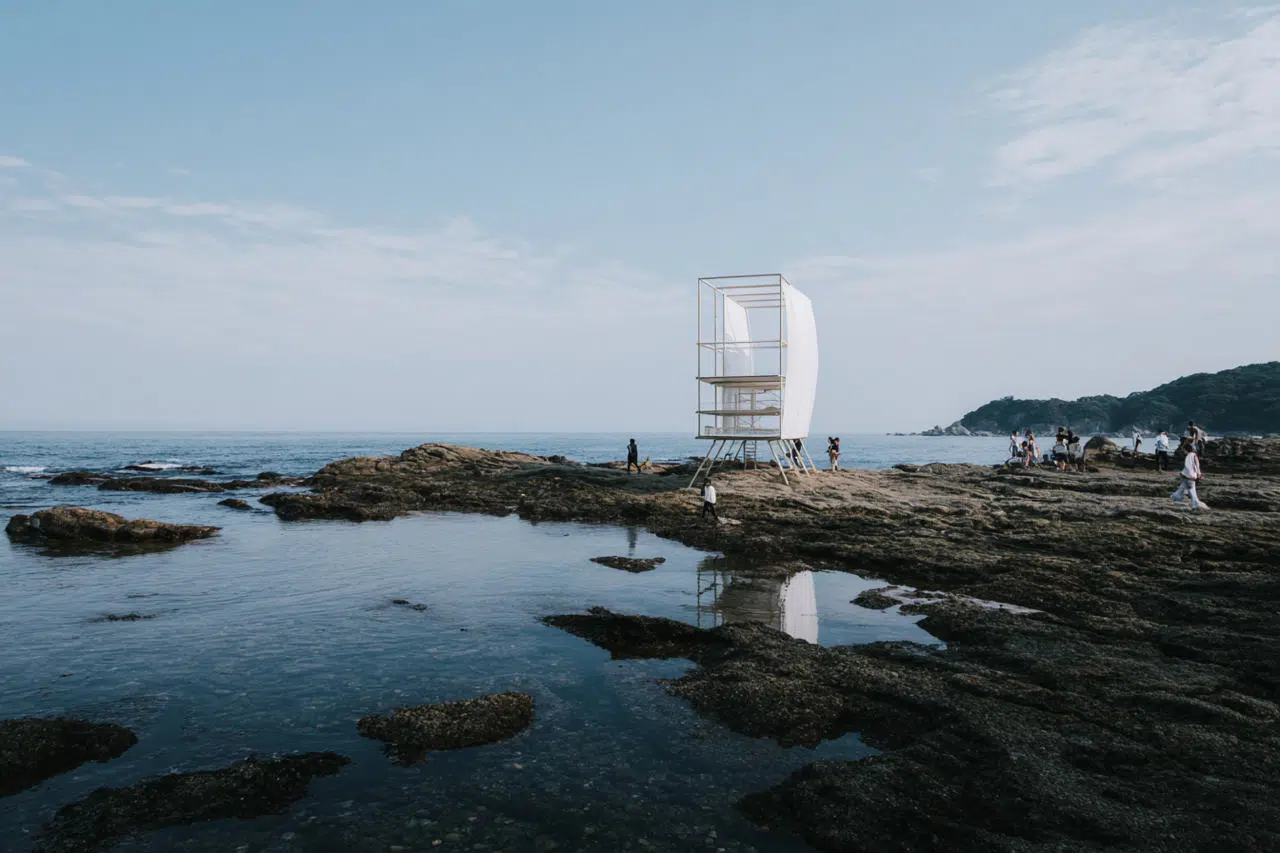
This work exposes adaptation as a lived condition stratified by power, access and geography. It challenges the dominant visual narratives of sustainability, those produced by and for the insulated, by tracing architectures born from necessity, ingenuity and shared constraint.
Fragile Habitats is a rapid visual study created in a single focused sprint, following a phase of careful fine tuning and calibration of AI tools, relying on Midjourney’s low resolution, low consumption draft mode. Quite paradoxical given the topic, let’s be honest.
A visual exploration of post-solutionist architecture in a world transformed by climate disruption. It imagines ways of living that adapt, move and survive together rather than master the environment. The project sets aside the dominant vision of the smart city, with its emphasis on control and optimization, and focuses on fragile, grounded and collective responses to instability.
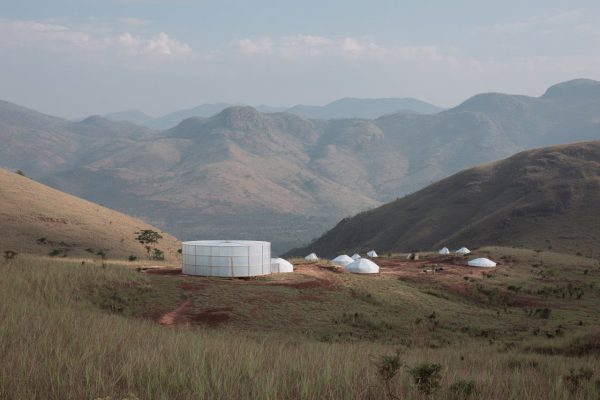
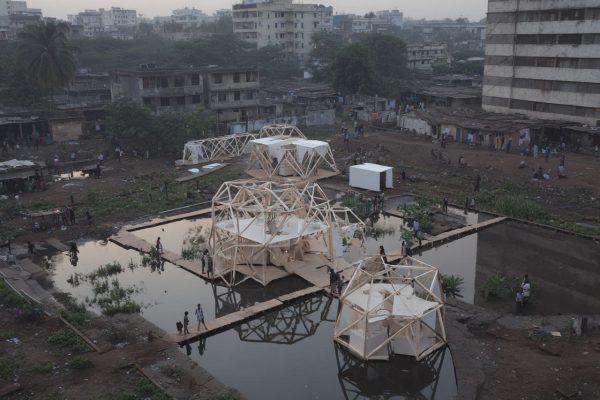
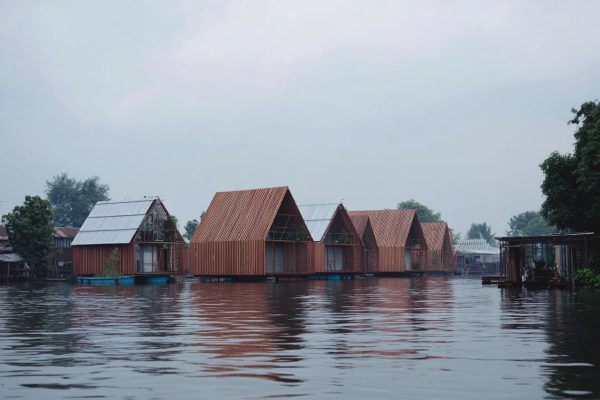
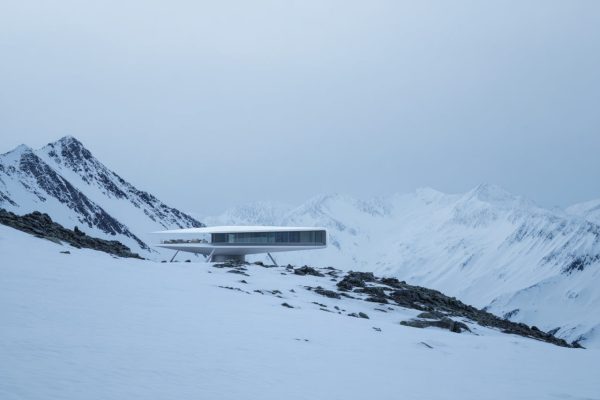
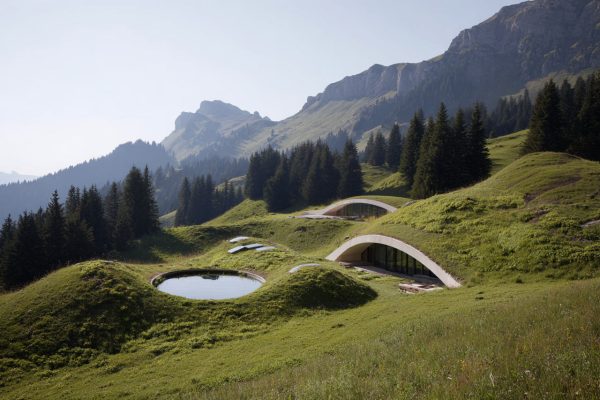
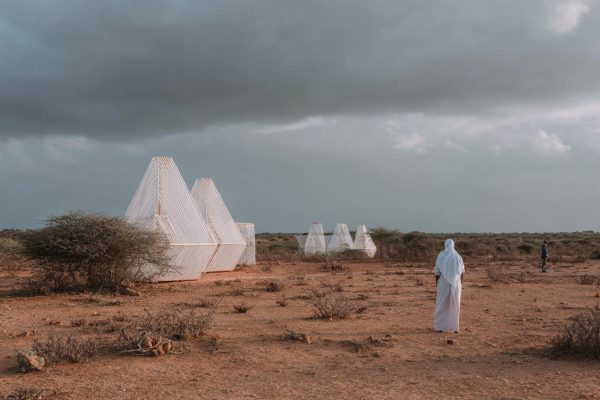
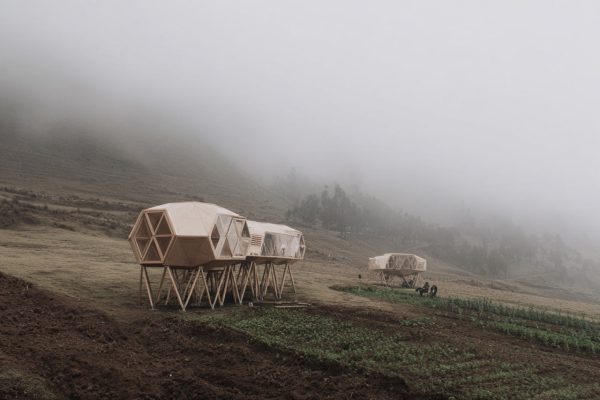
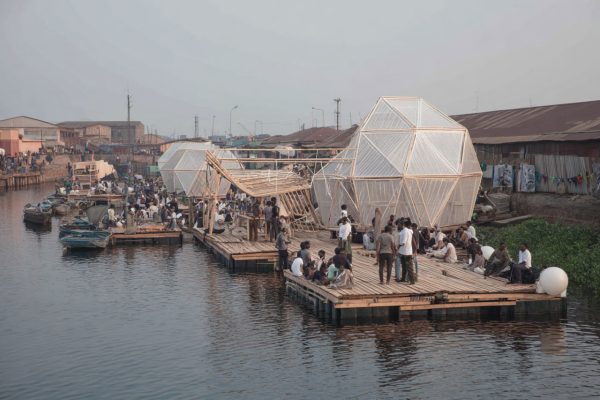
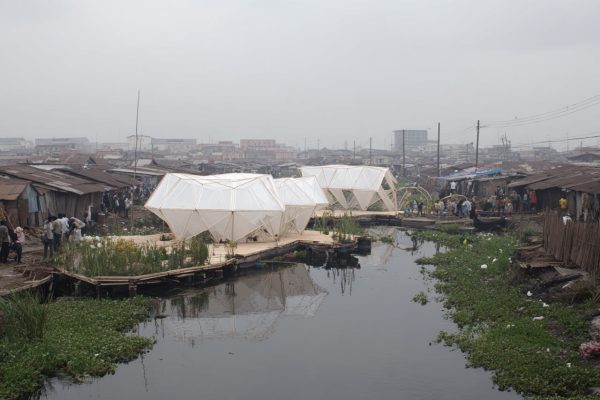
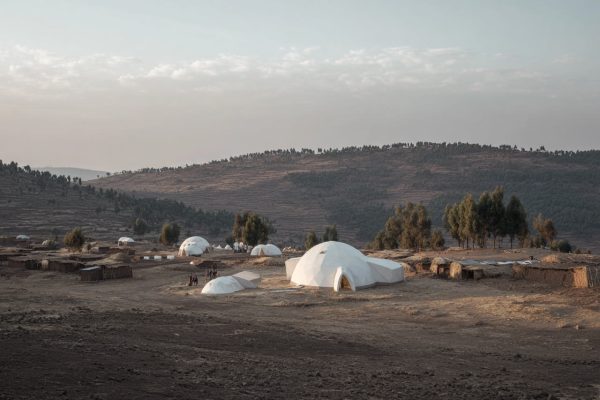
The habitats depicted are makeshift, mobile and low-tech. They emerge from scarcity, using frugal materials and vernacular knowledge. Built from what is available, they respond to context. These spaces are often temporary, shaped by the rhythms of the land, the availability of resources and the needs of those who pass through. Their impermanence is a tactic.
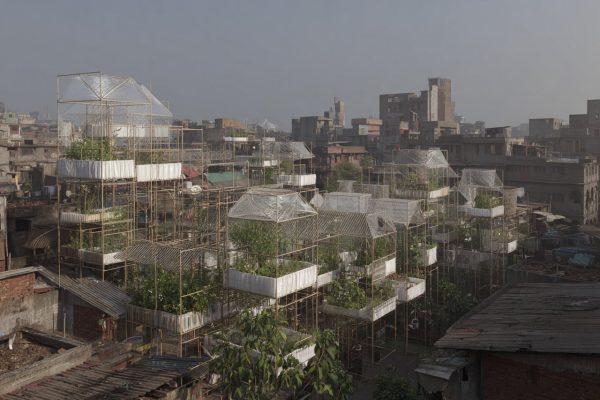
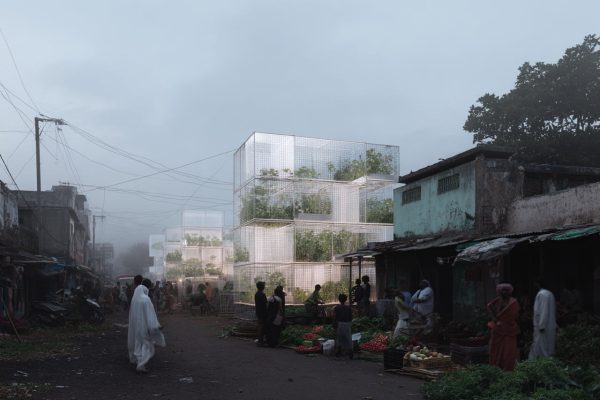
Agriculture appears throughout as infrastructure. Food systems are visible, integrated and essential. The images show collective shelters, subsistence farming, shaded rest areas, hand-built devices and landscapes inhabited through care, with no private cars, no centralized grids and no sterile urban plazas.
Created through AI, the visuals serve as probes. They set aside techno-futurist spectacle and offer instead a quiet, persistent question: what kinds of architecture make sense when permanence is no longer guaranteed and survival depends on mutual aid and sensitivity to place?
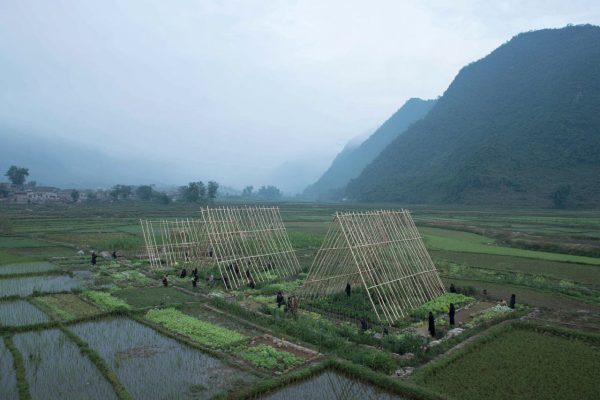
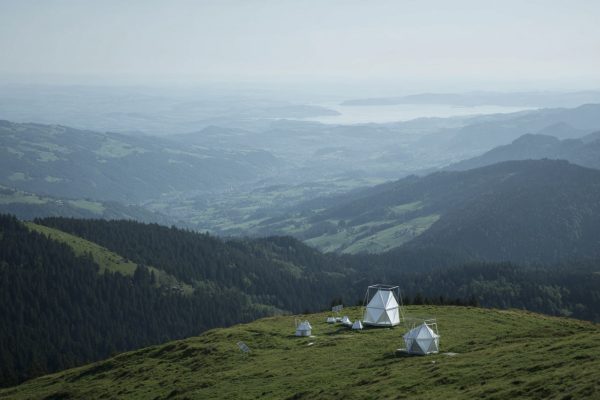
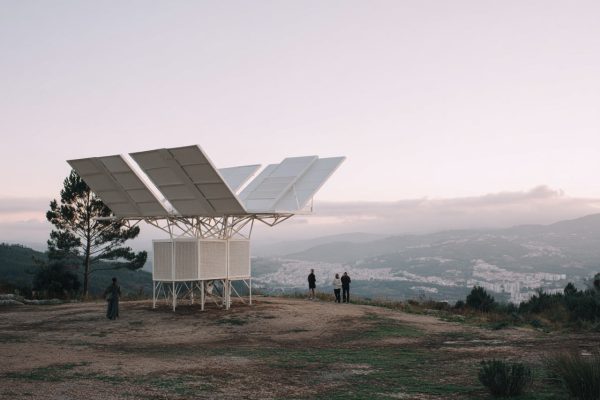
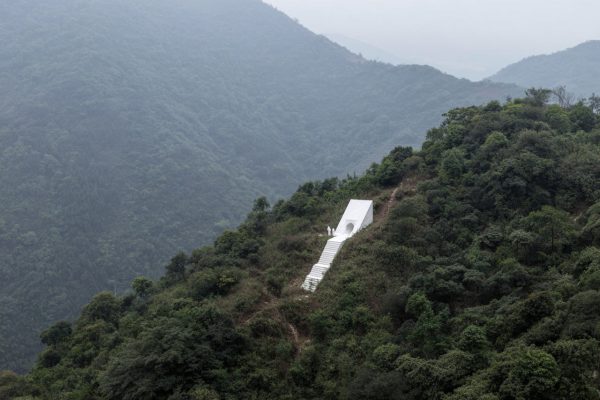
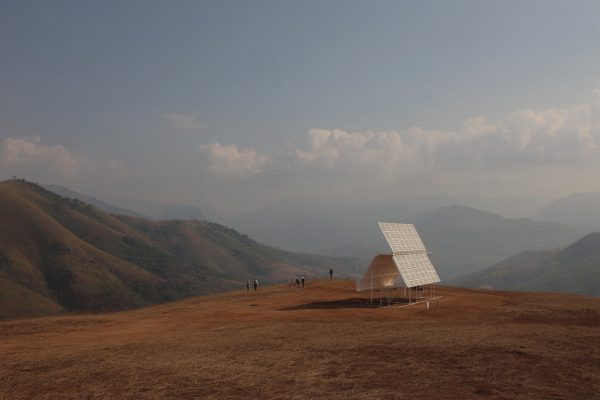
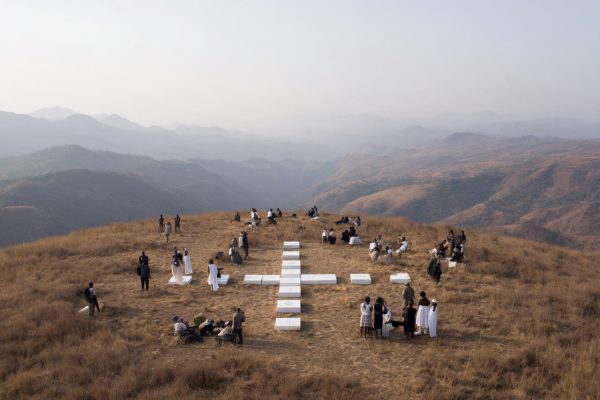
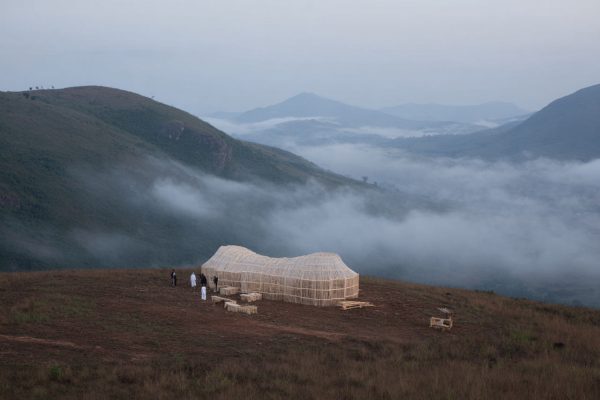
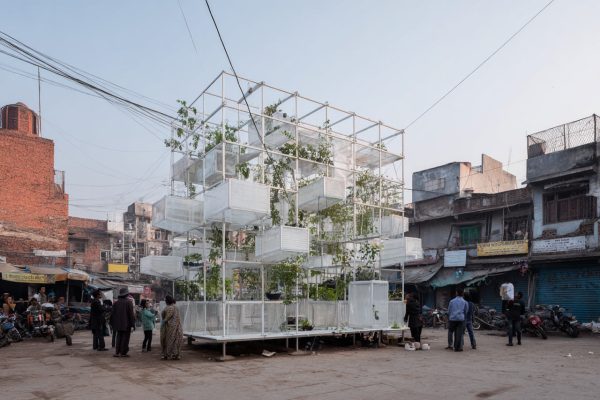
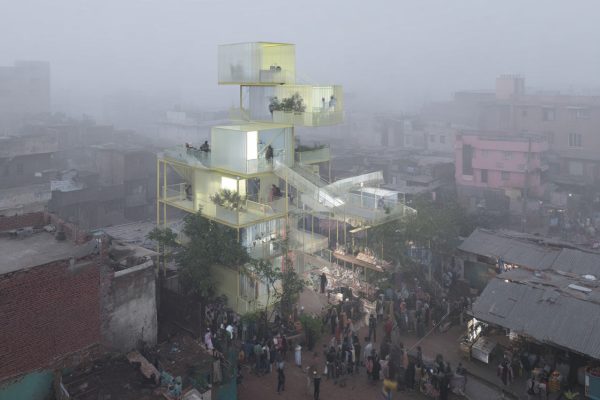
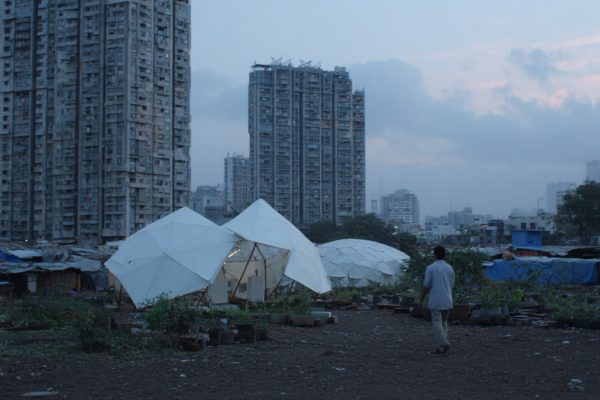
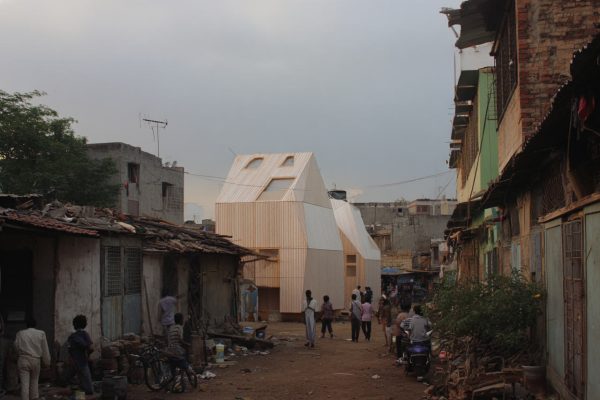
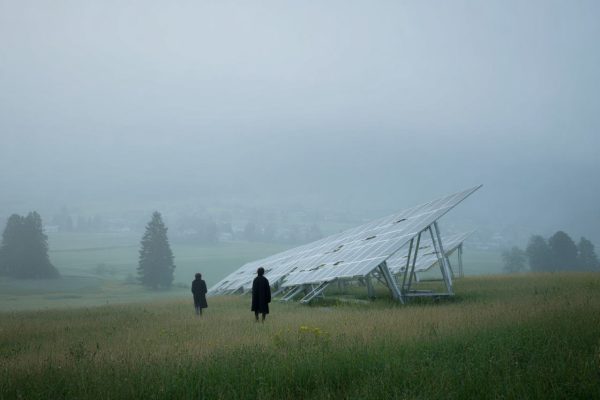
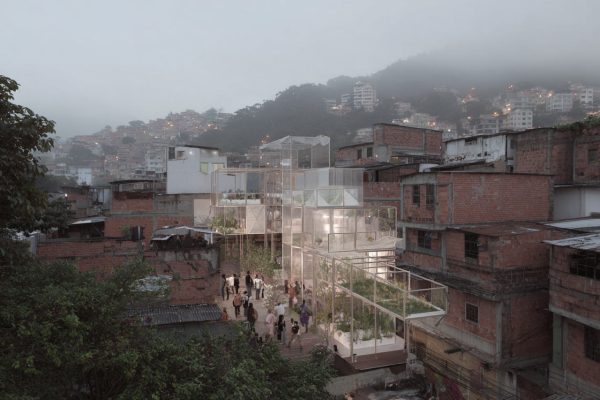
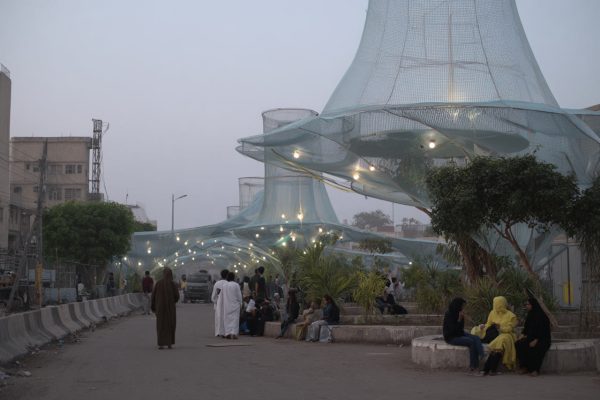
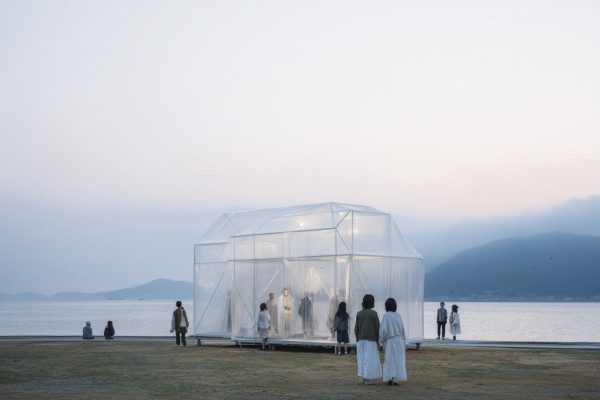
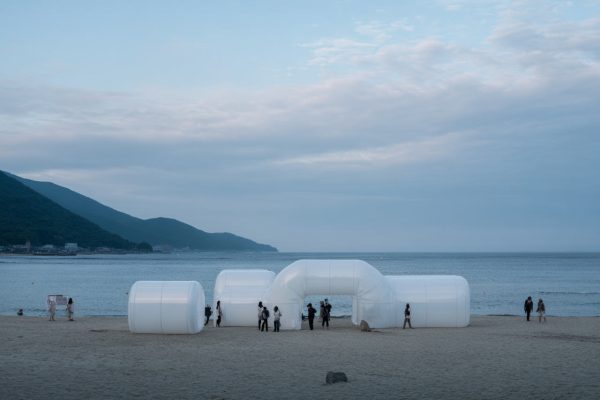
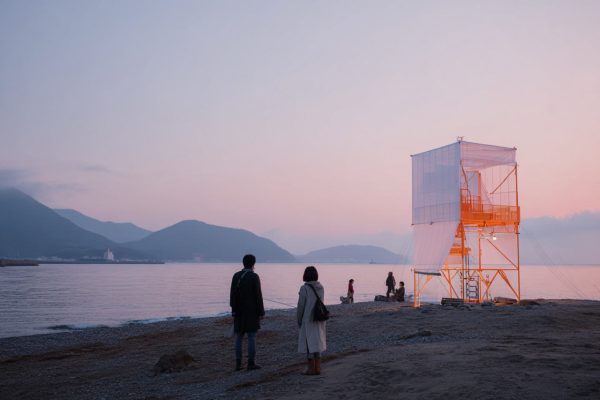
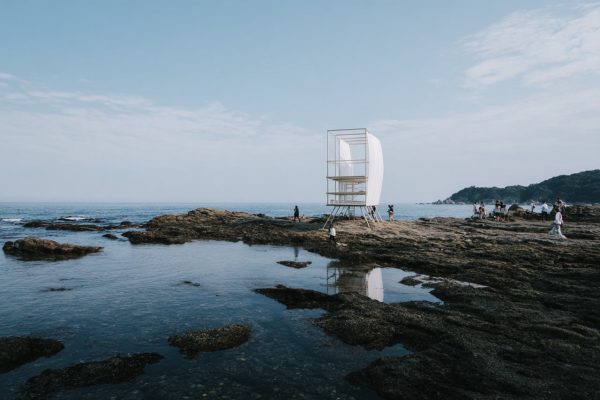
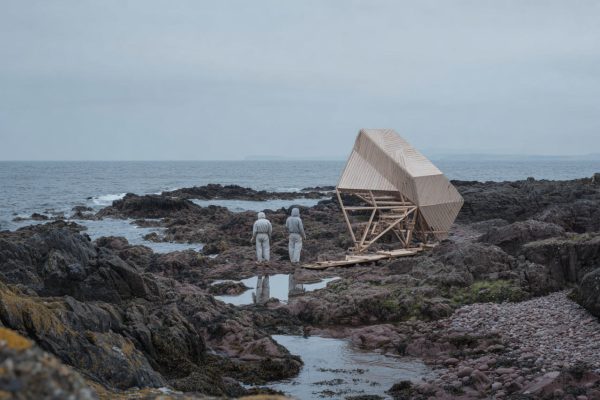
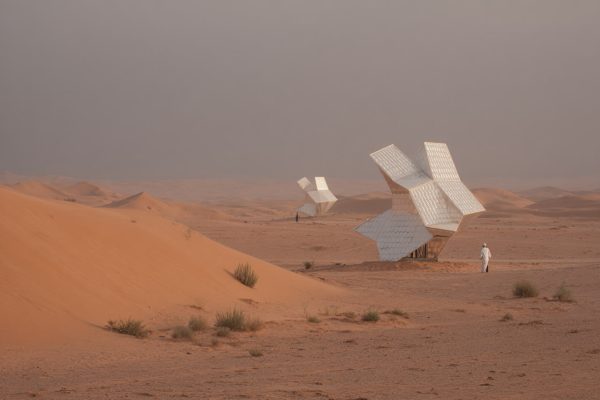
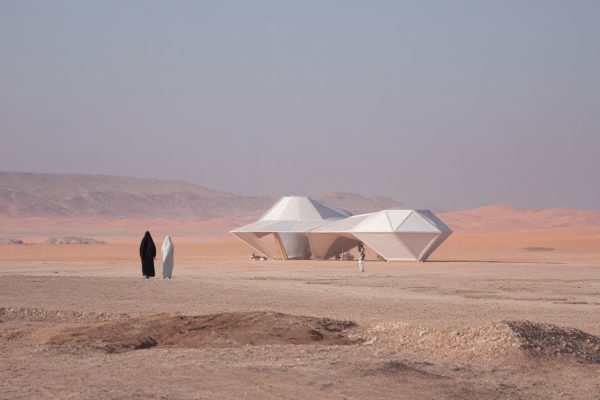
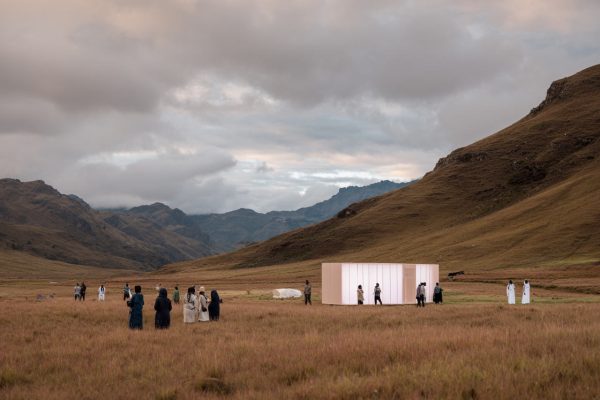
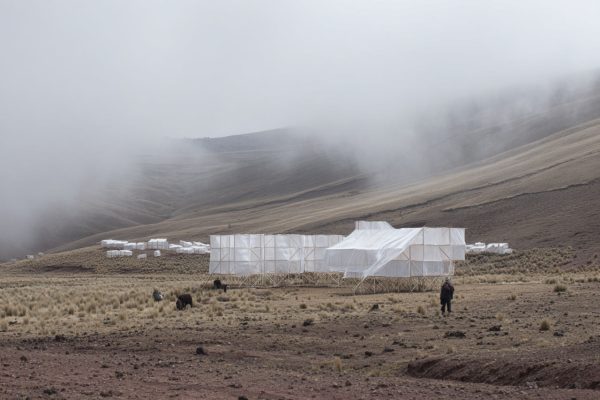
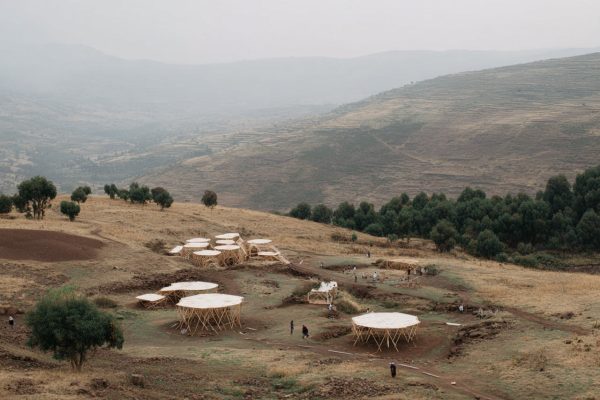
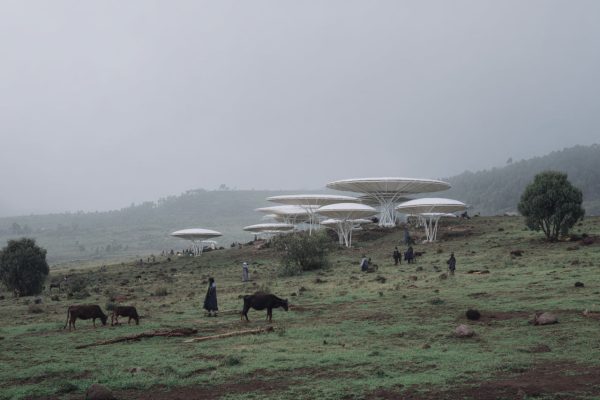
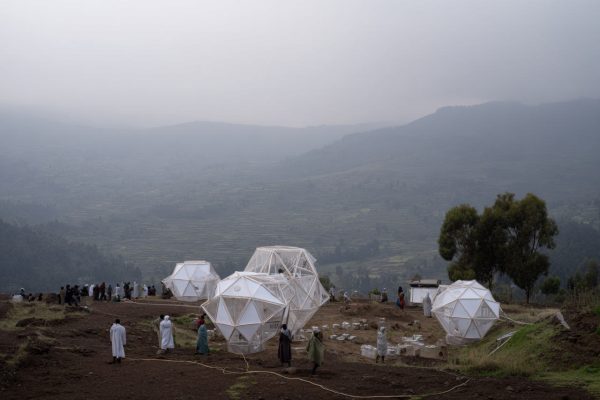
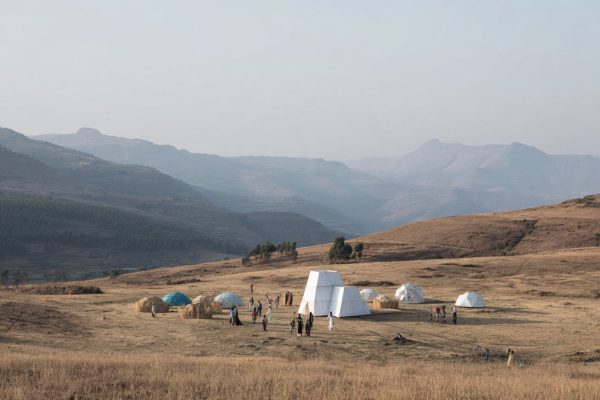
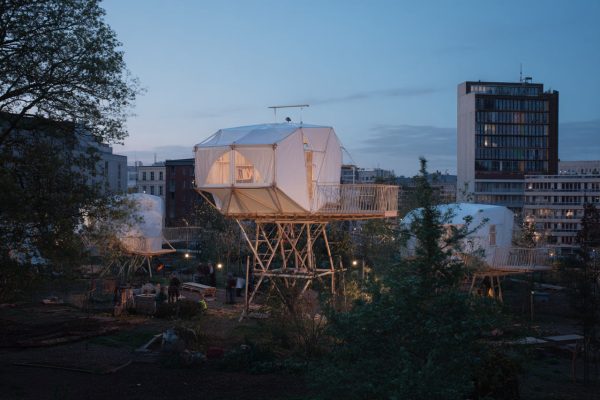
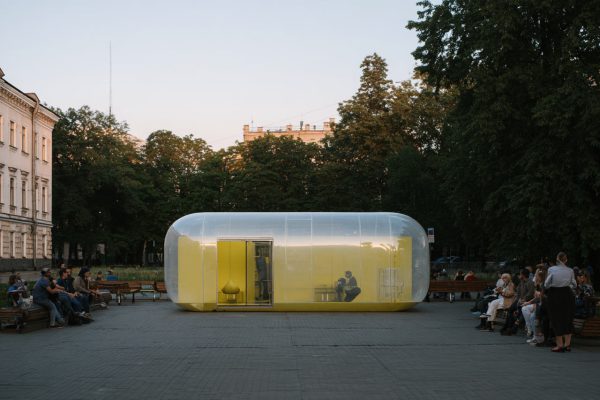
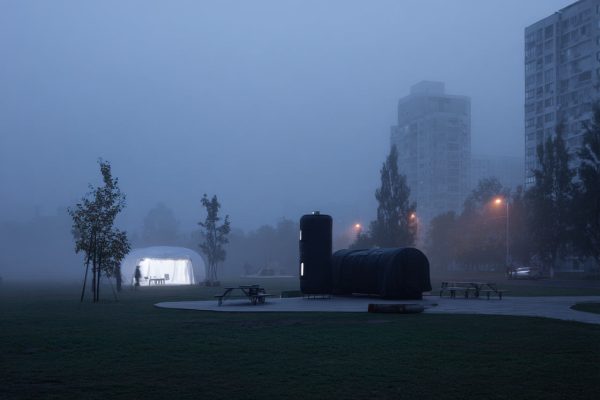
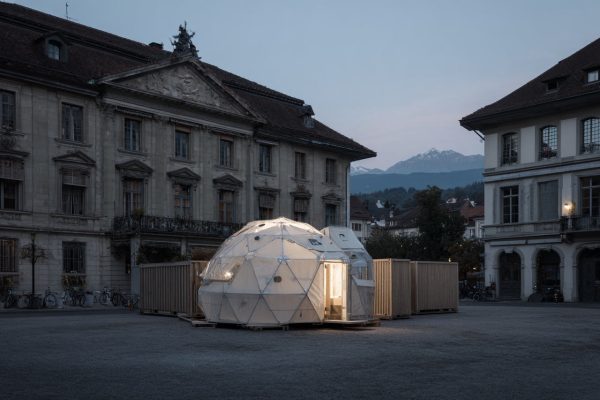
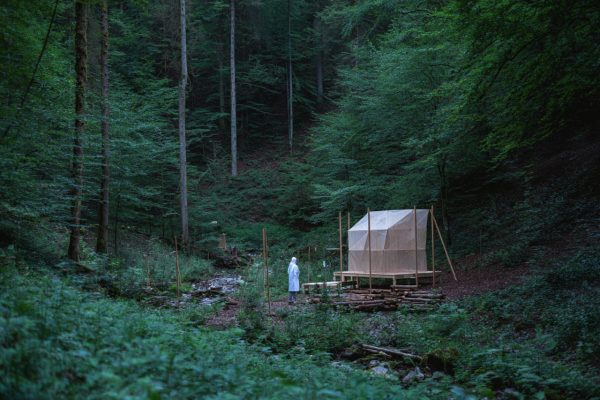
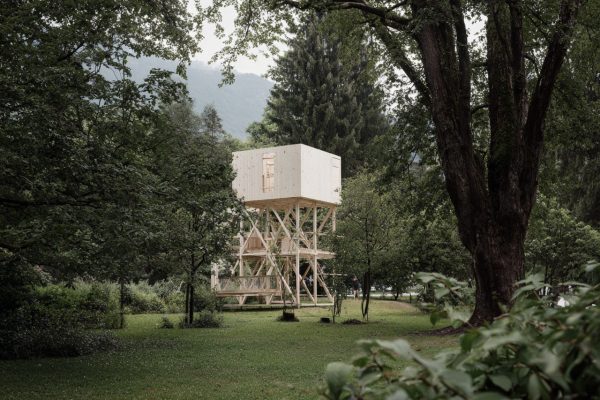
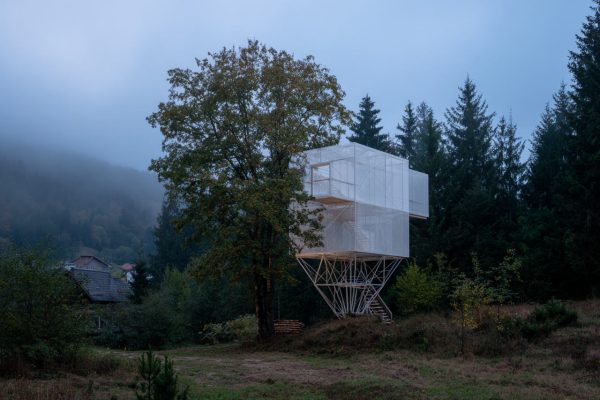
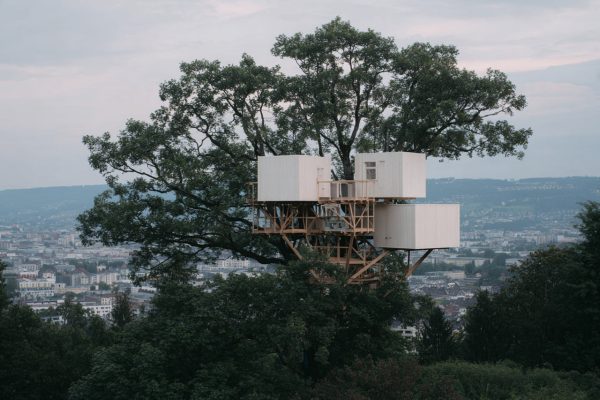
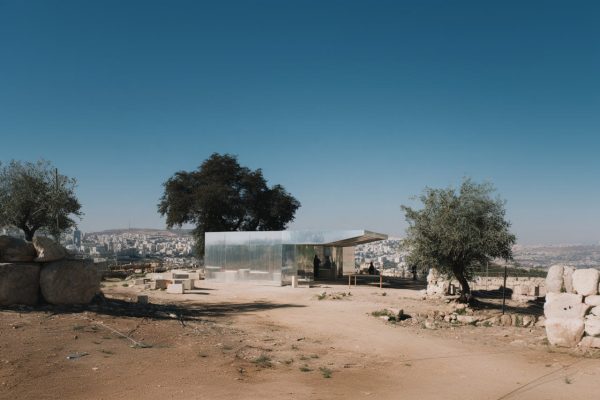
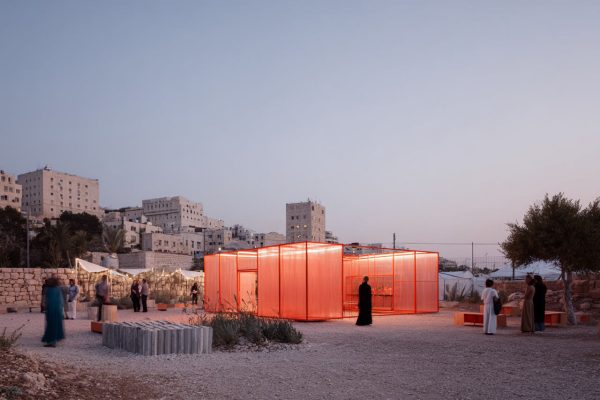
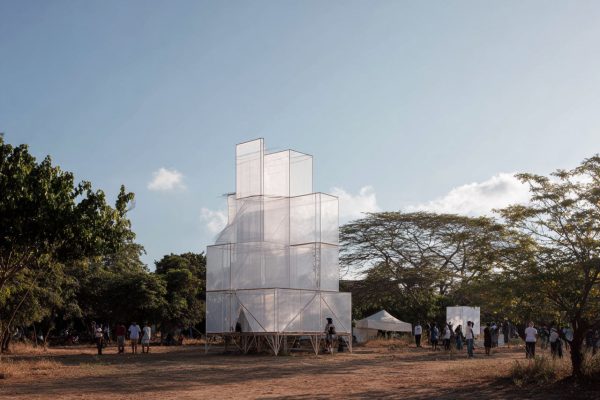
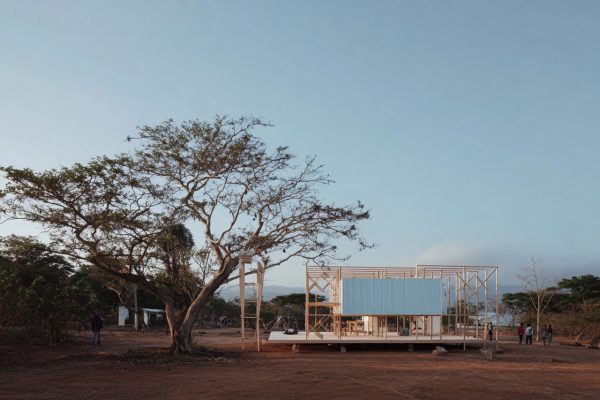
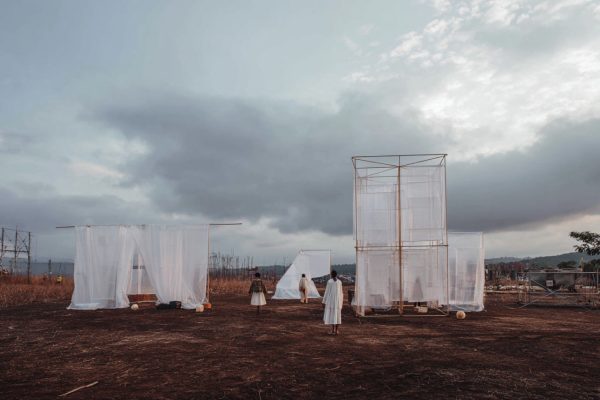
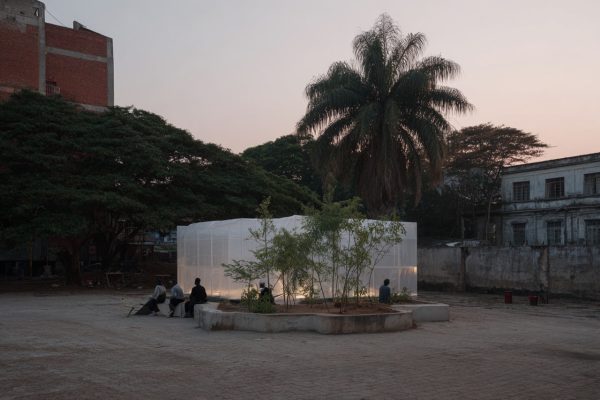
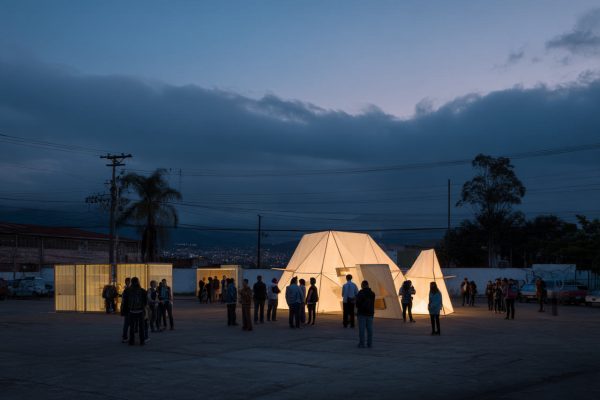
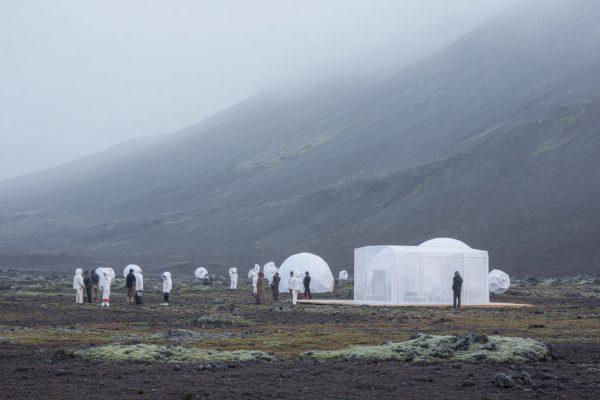
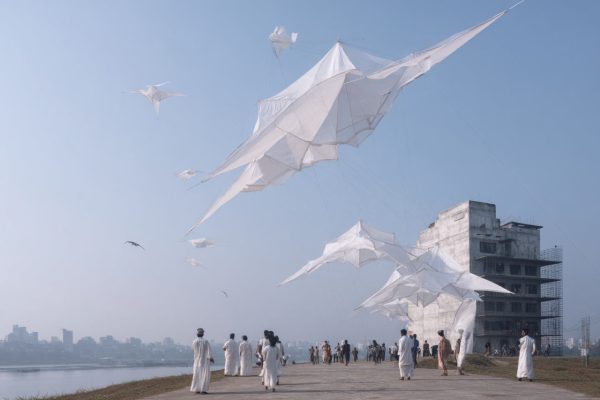
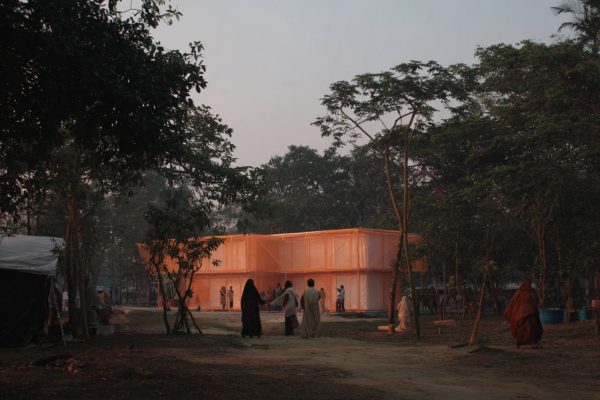
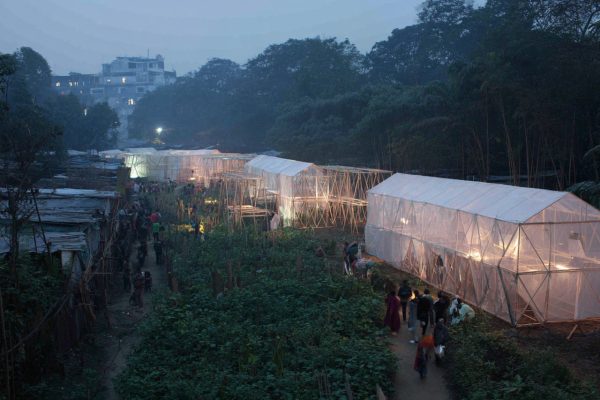
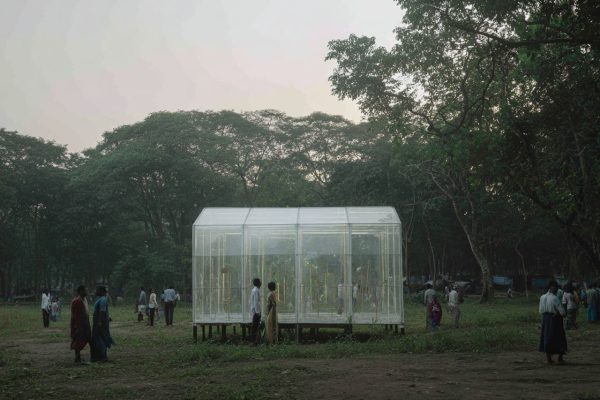
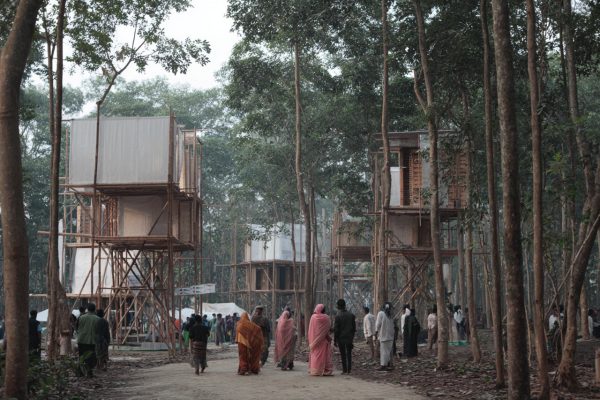
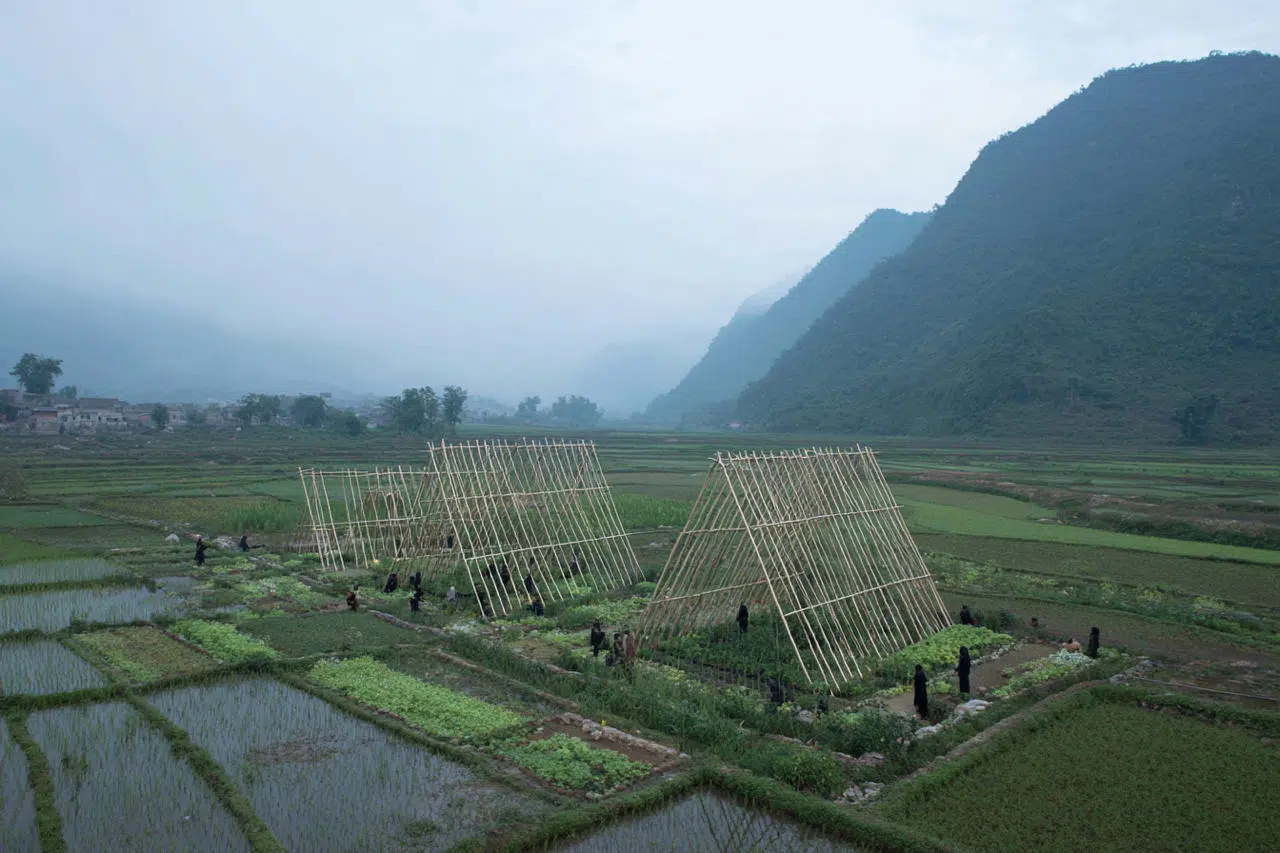
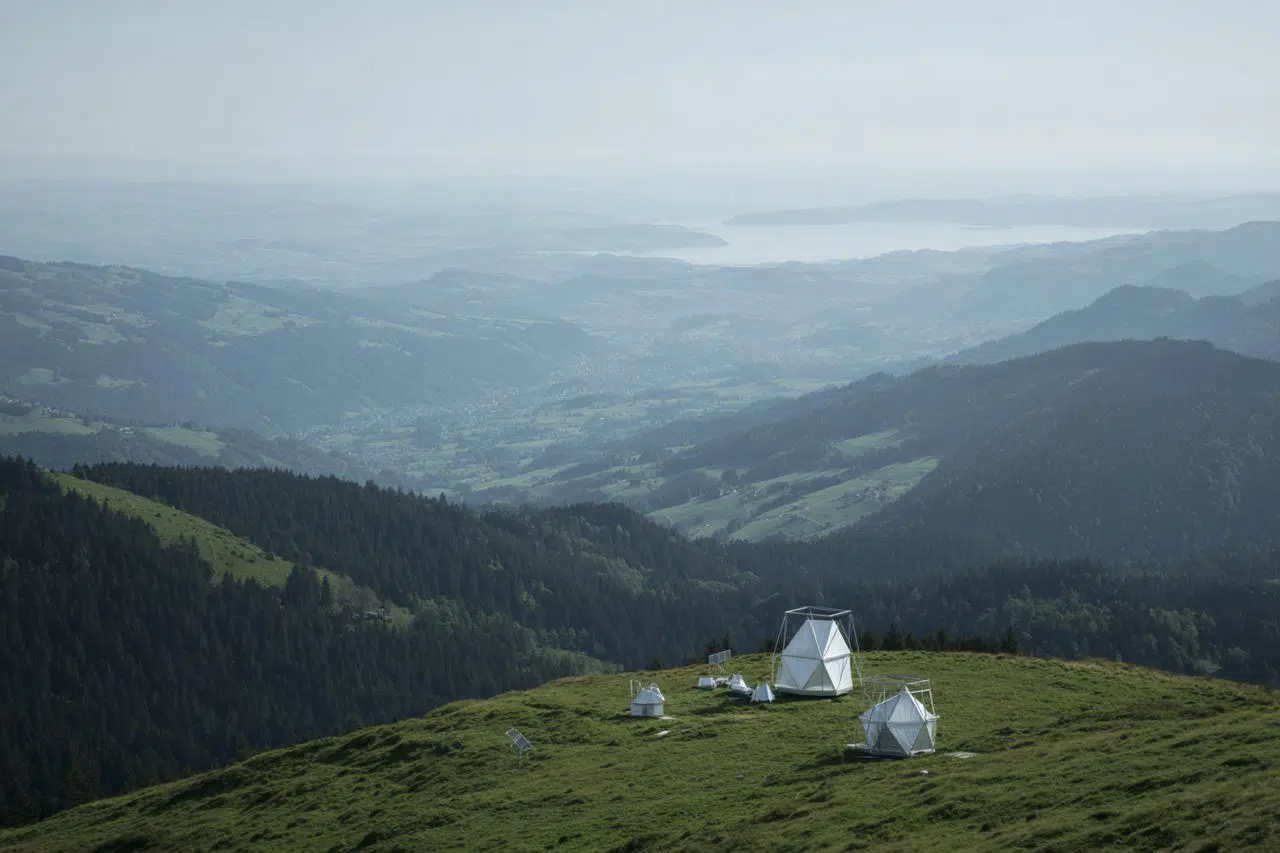
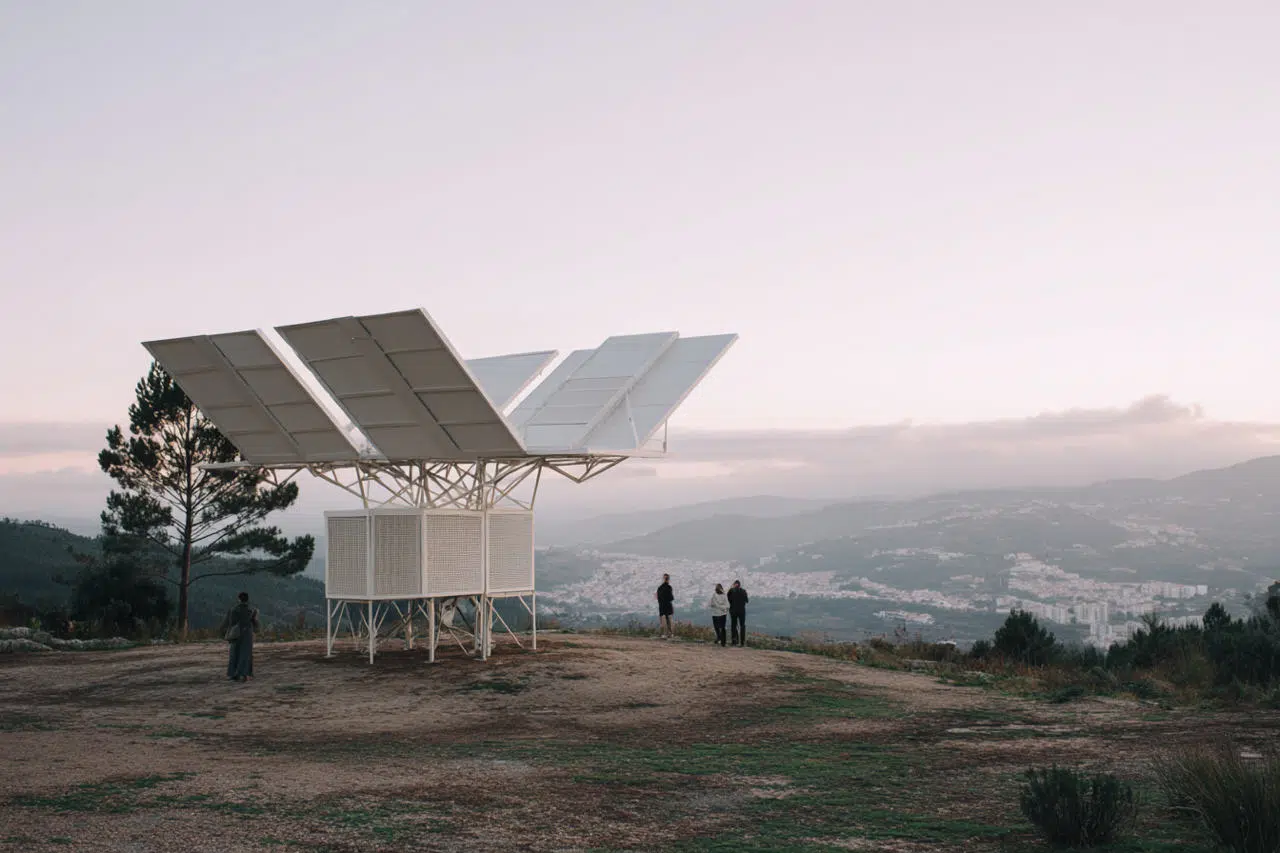
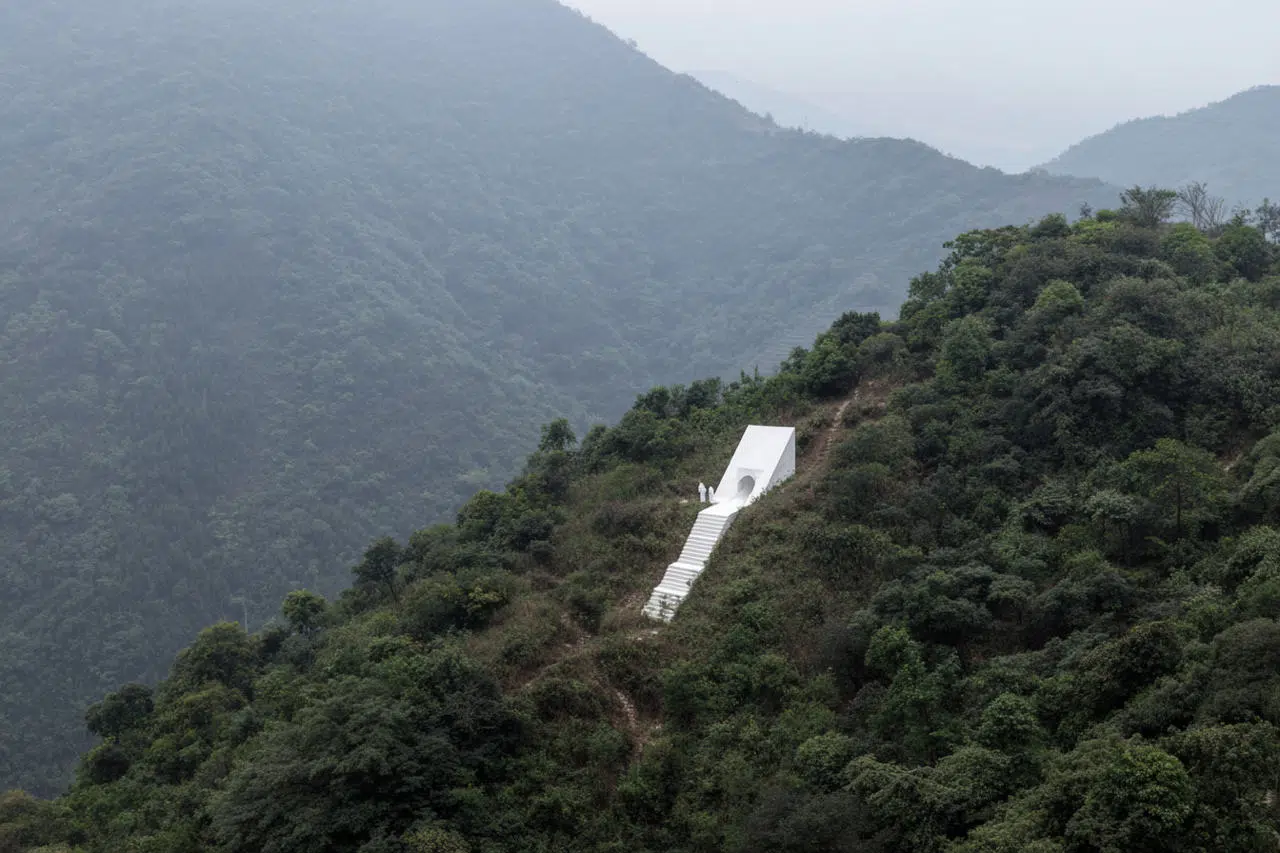
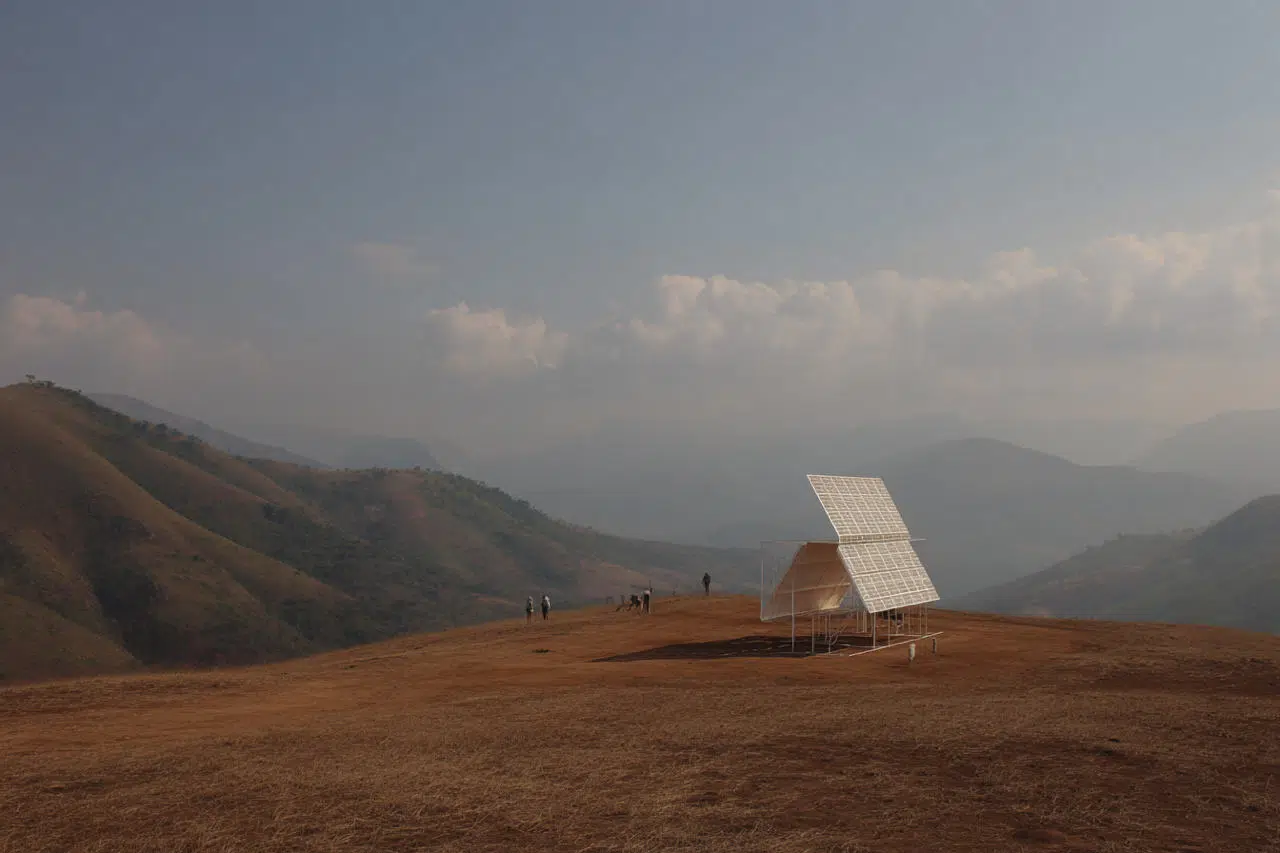
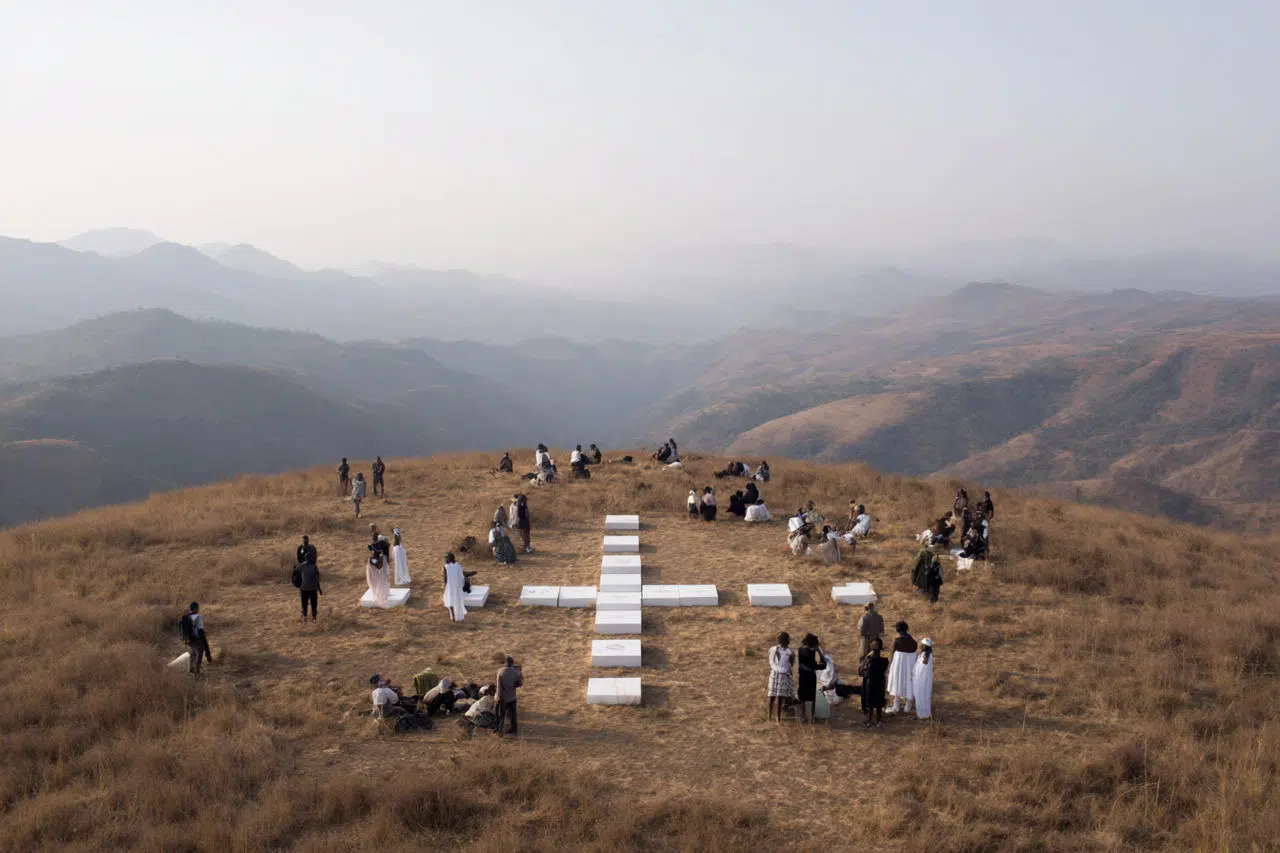

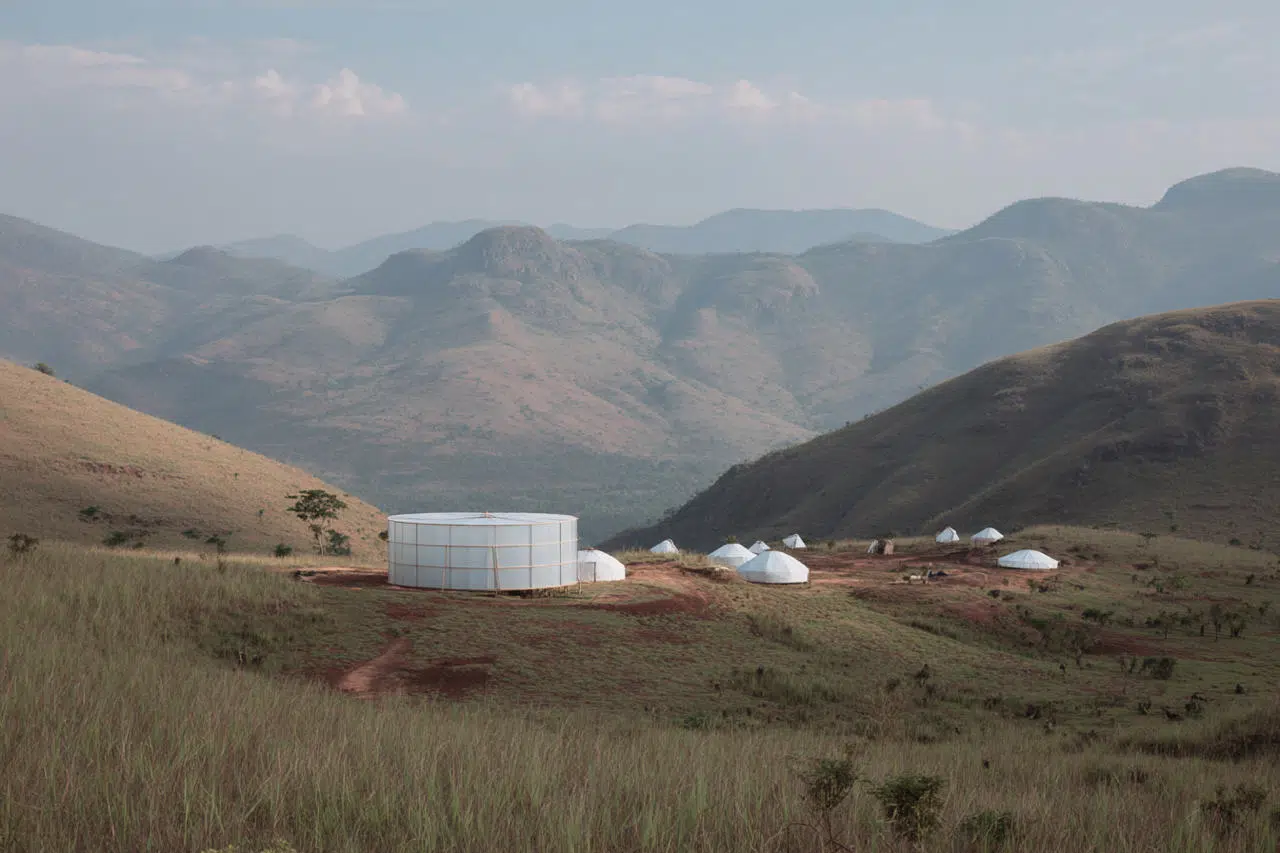
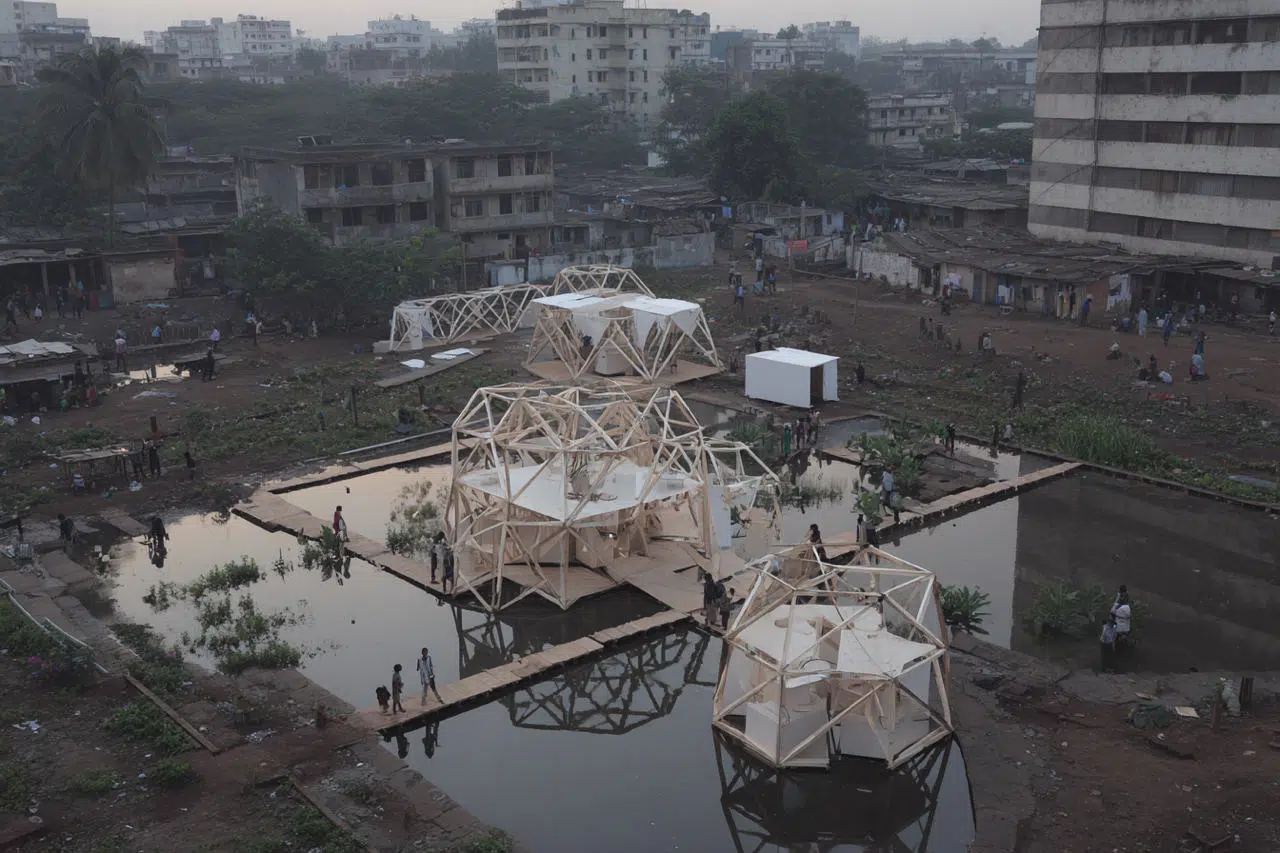
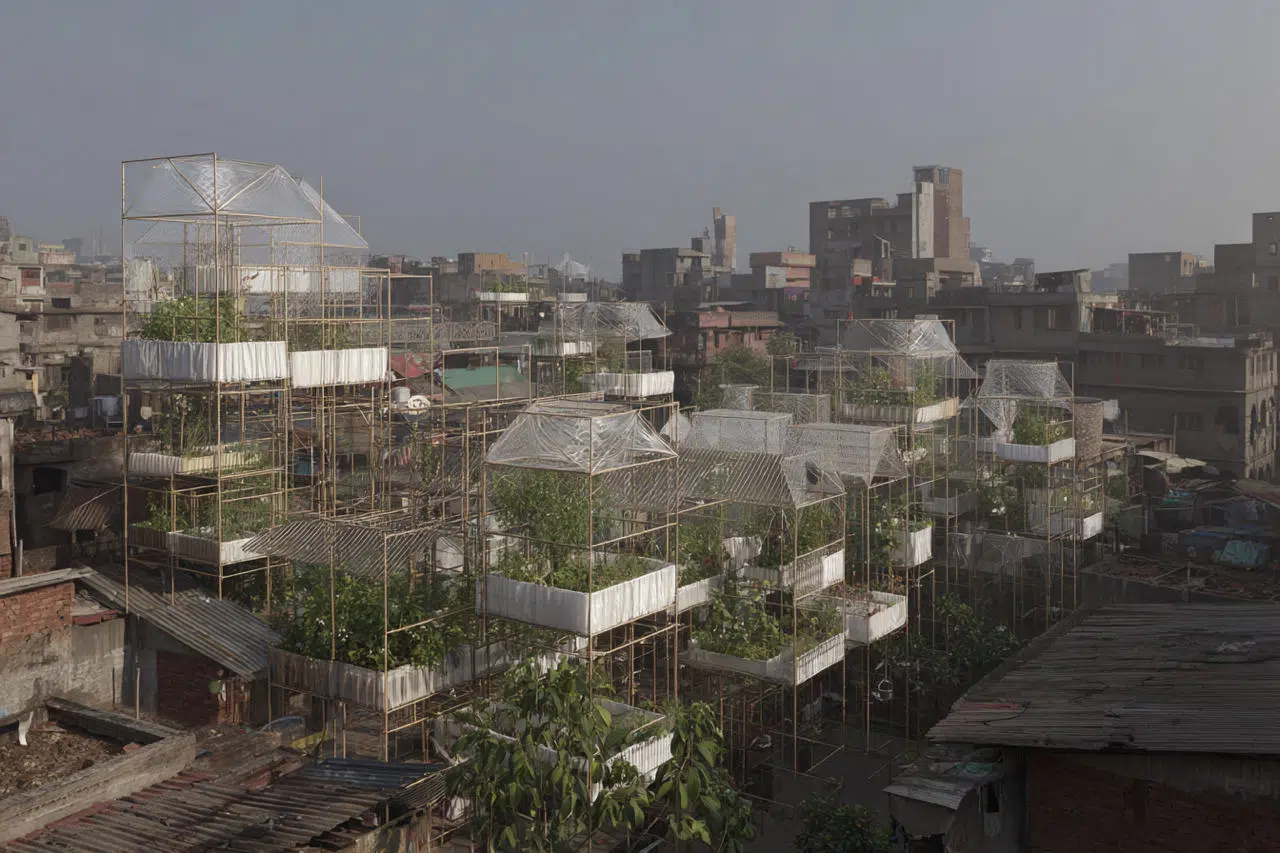
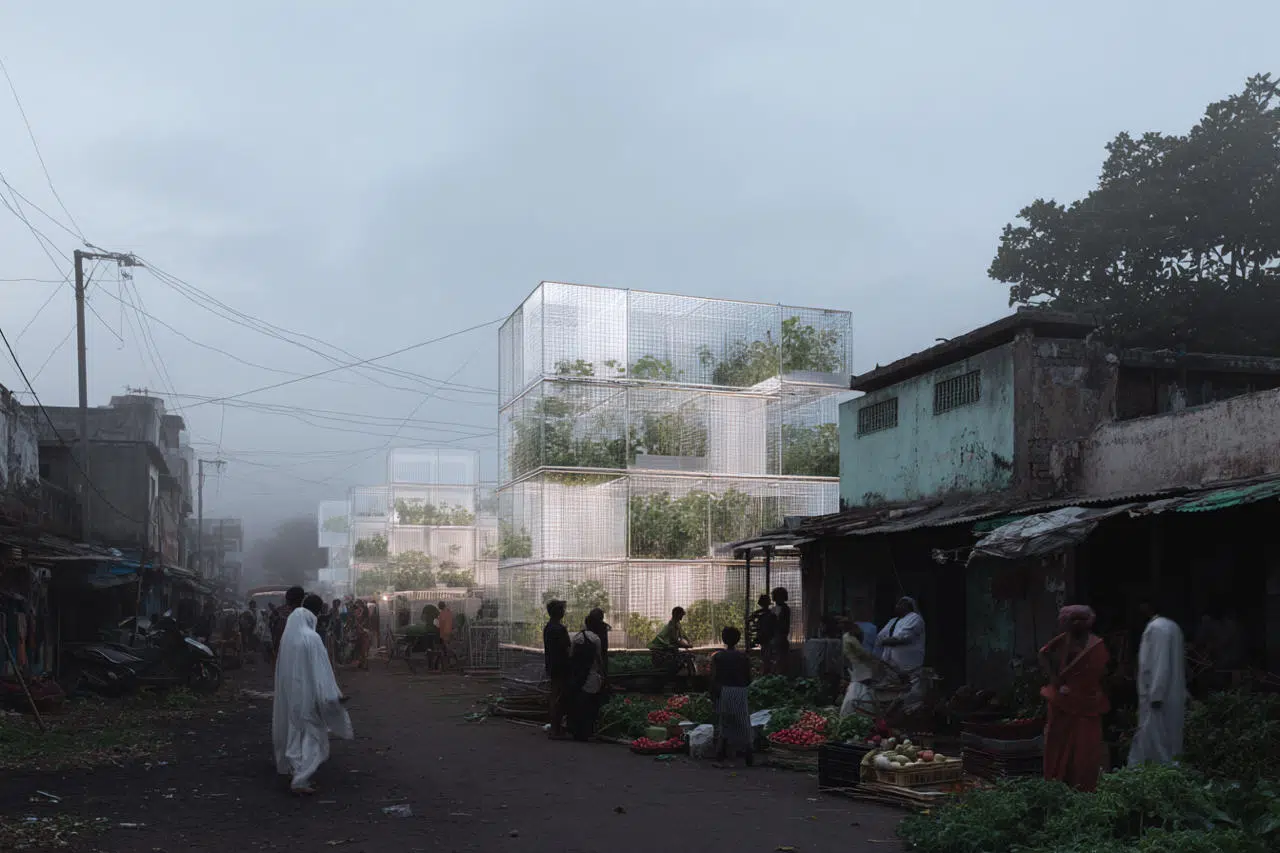
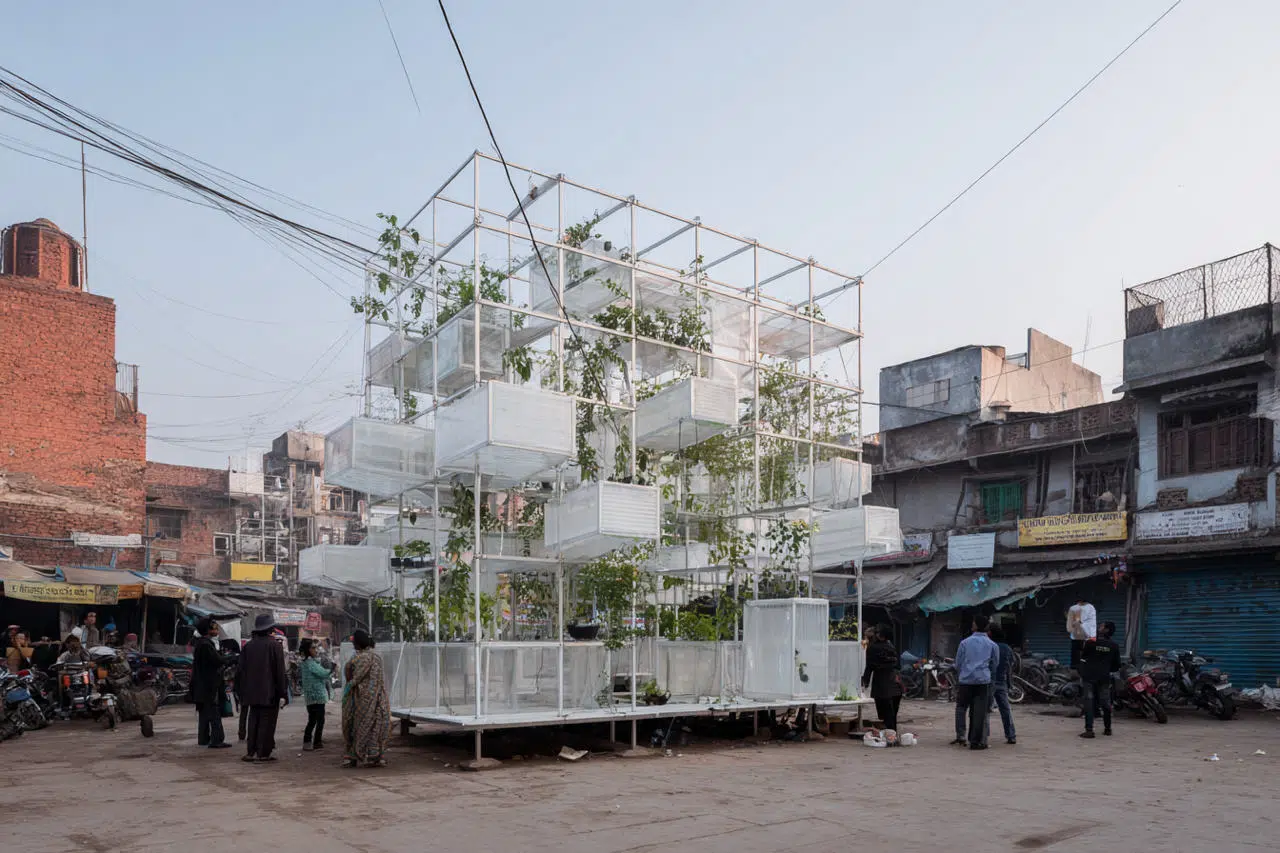
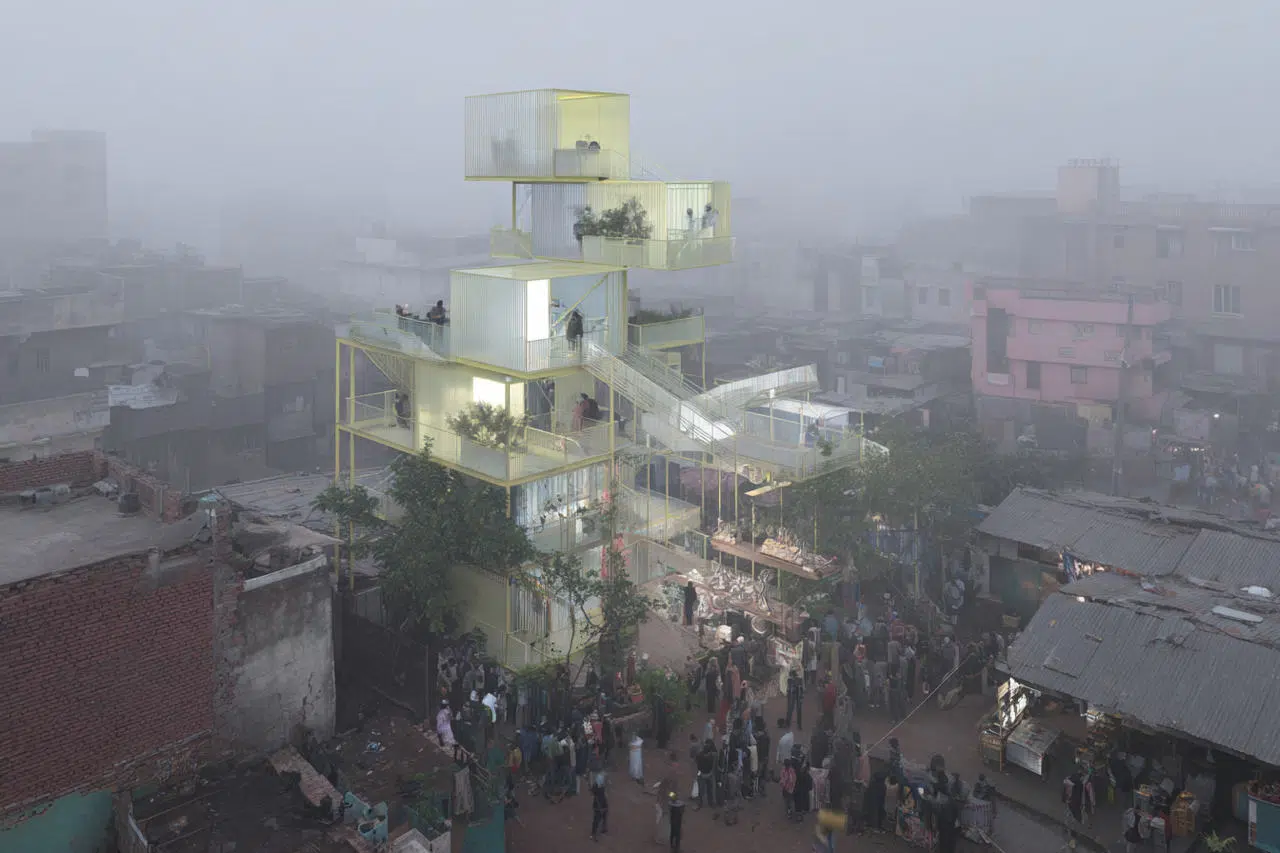
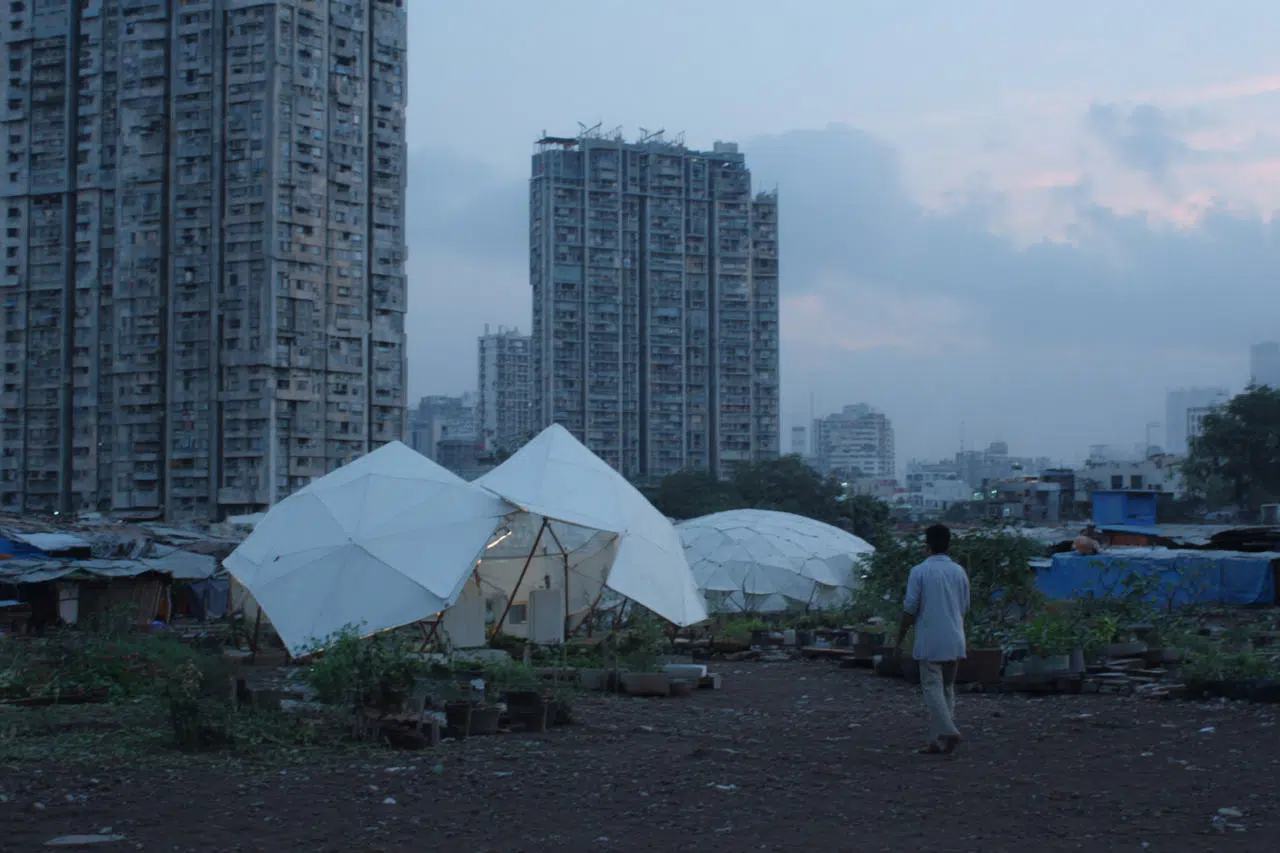
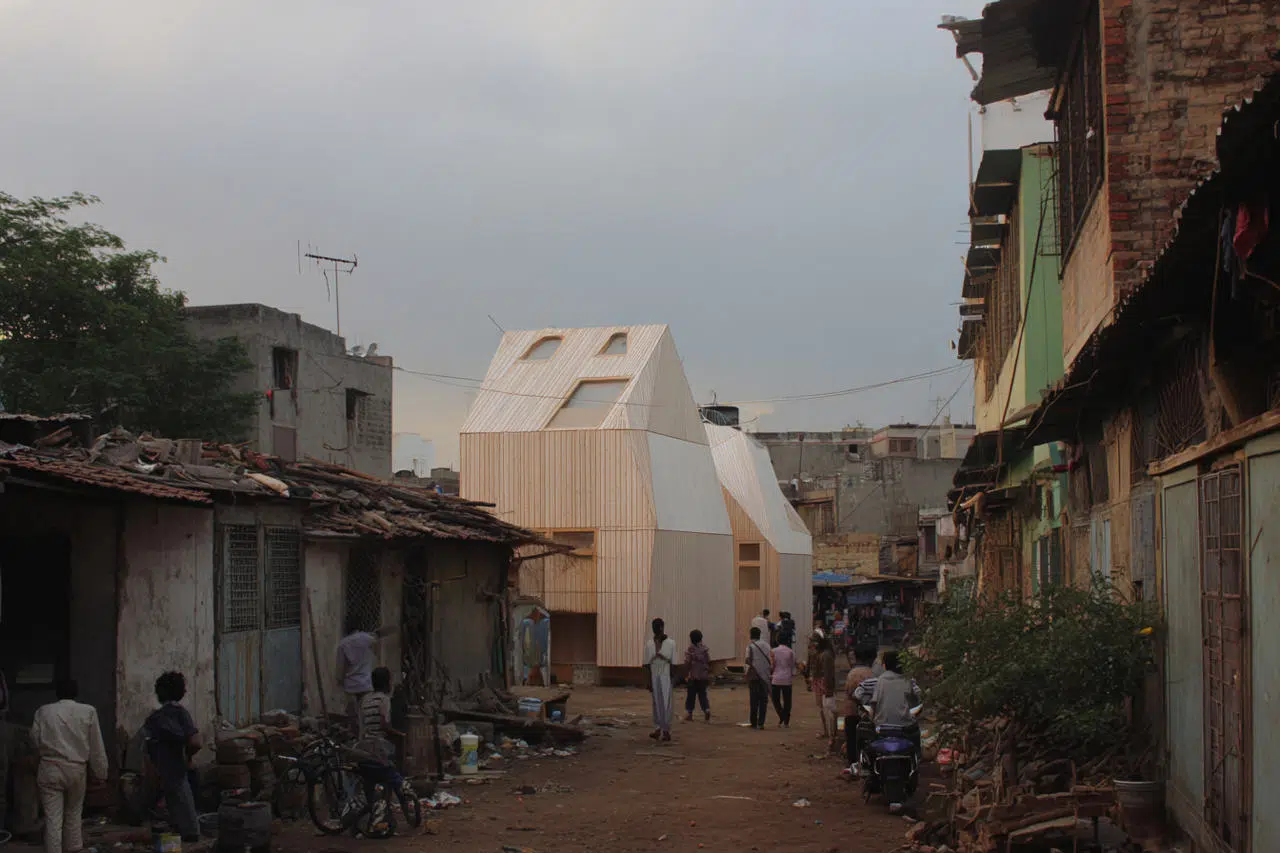
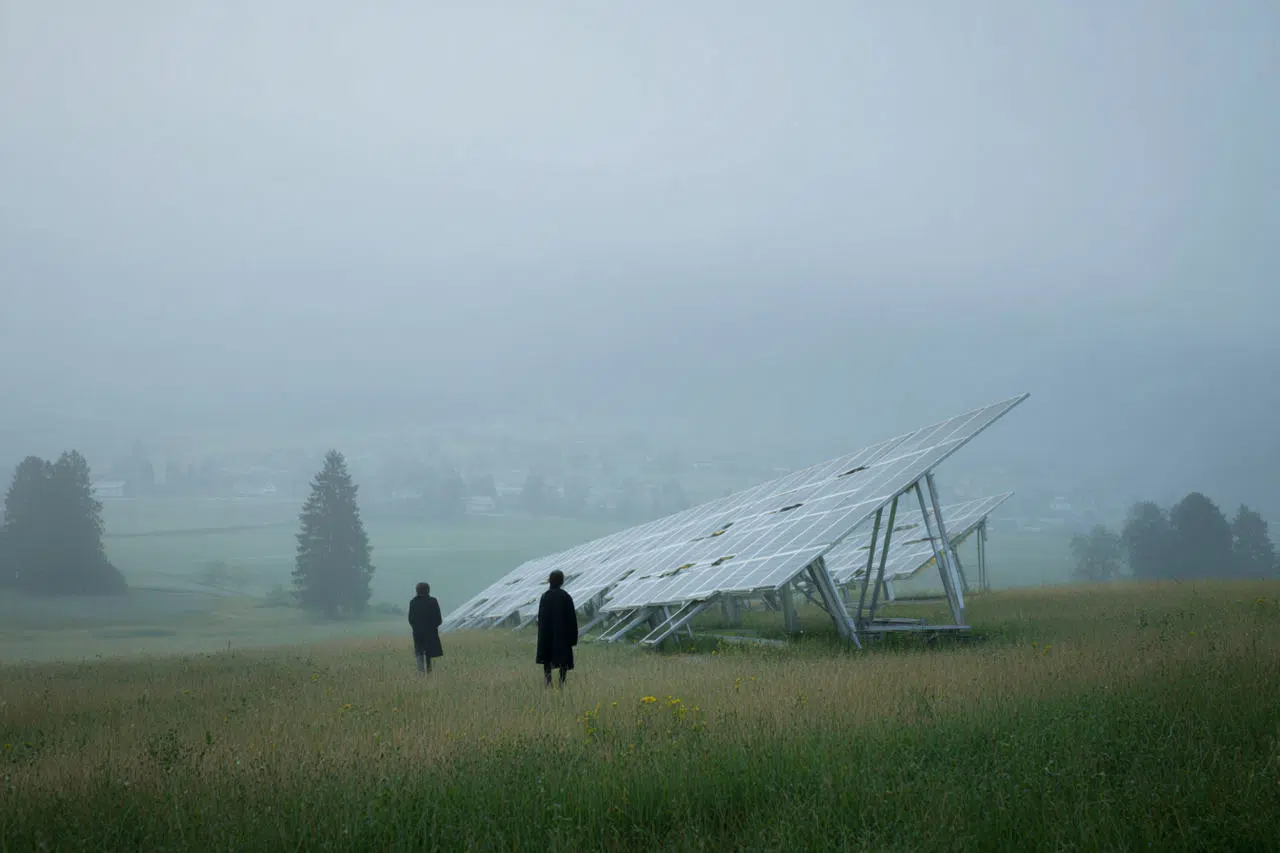
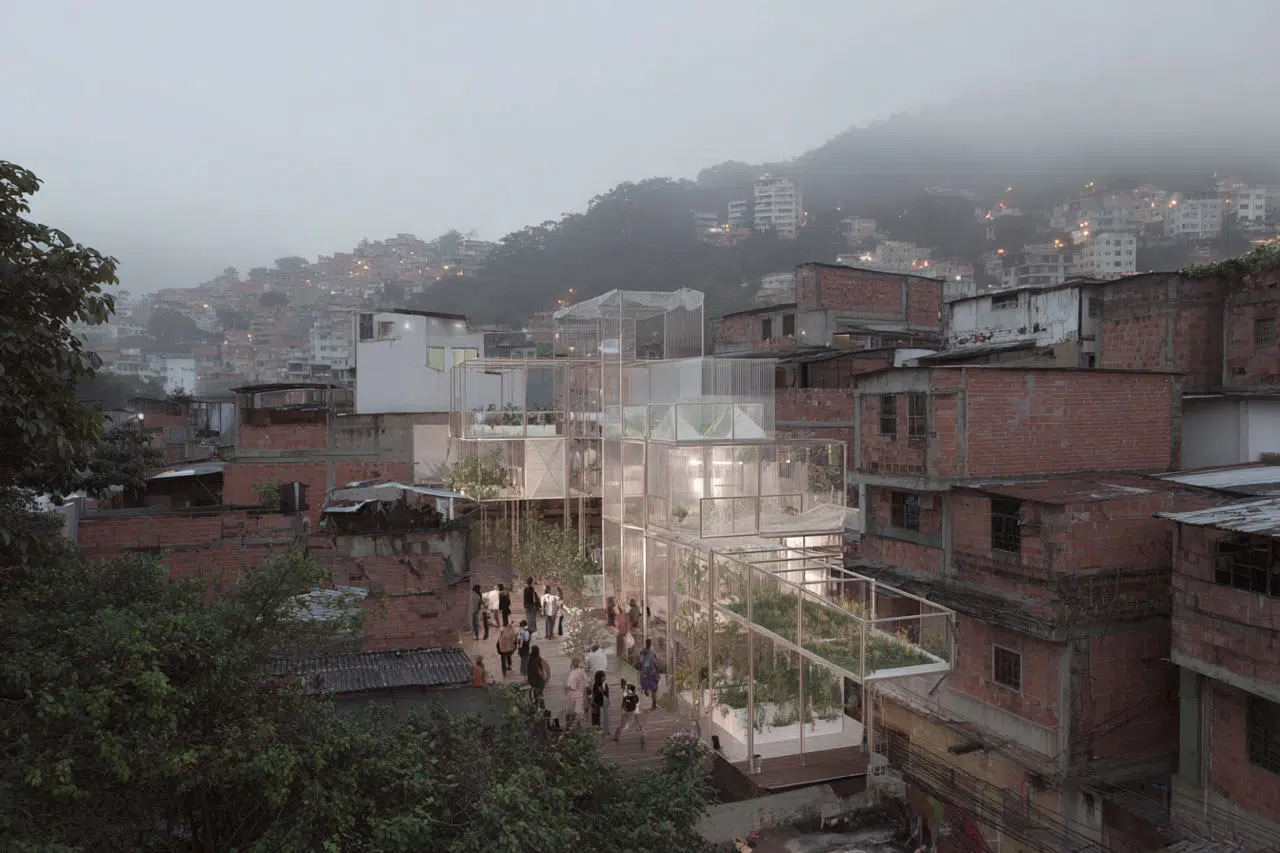
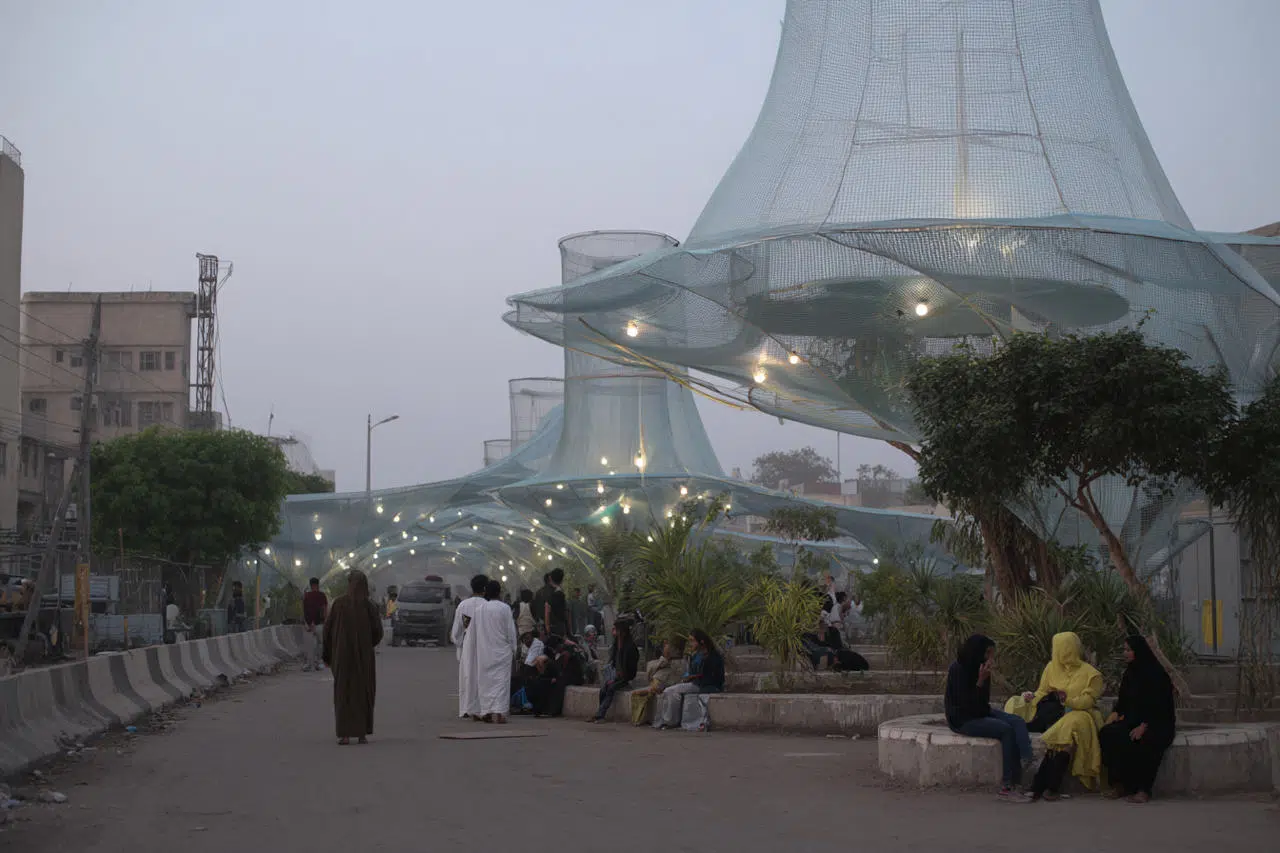
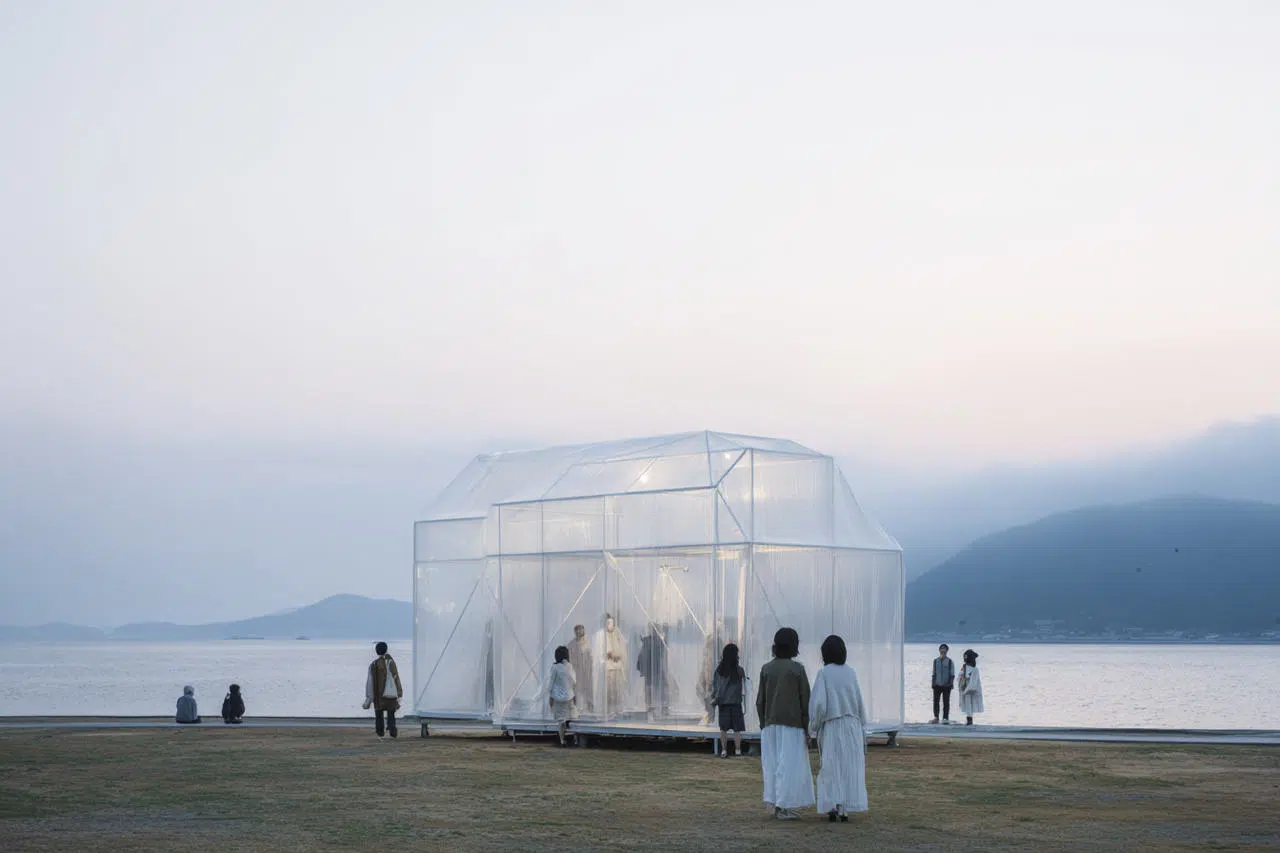
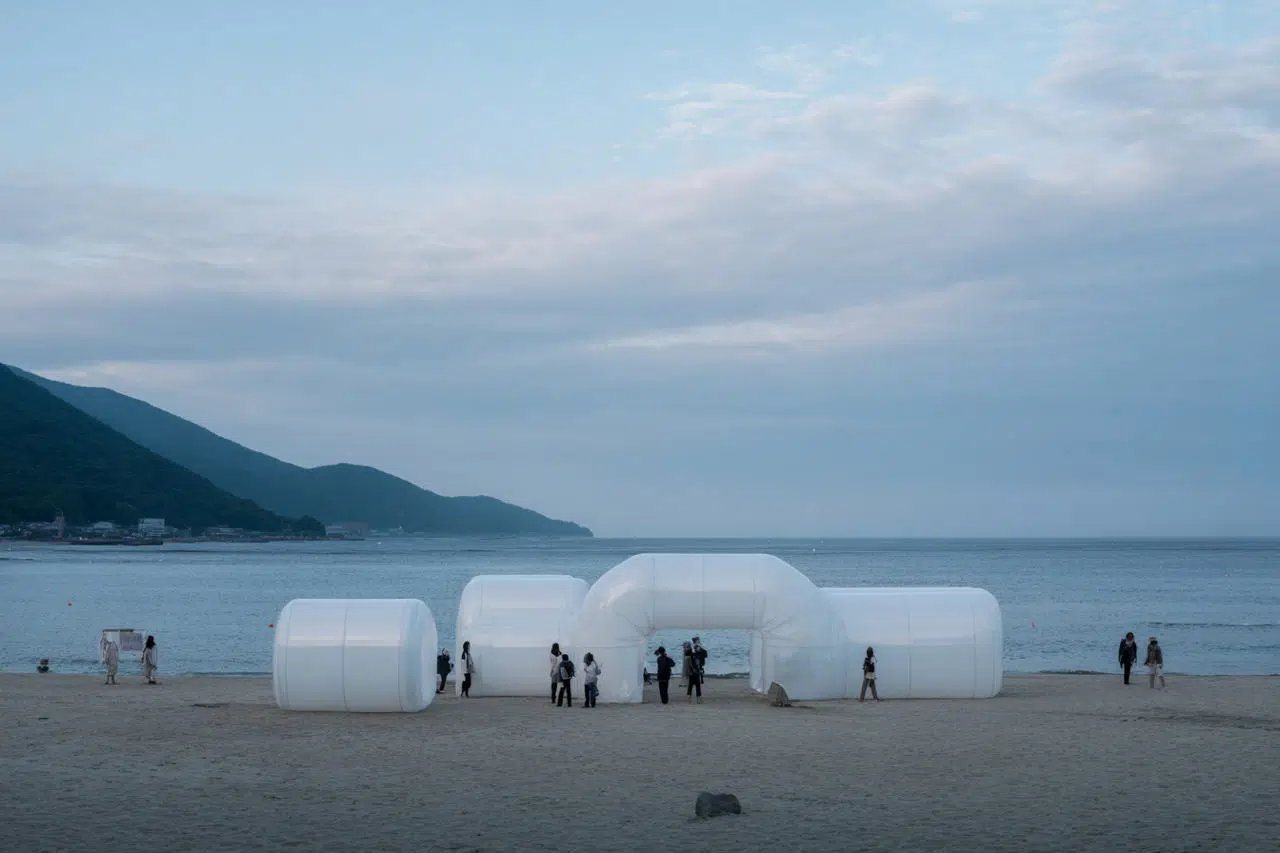
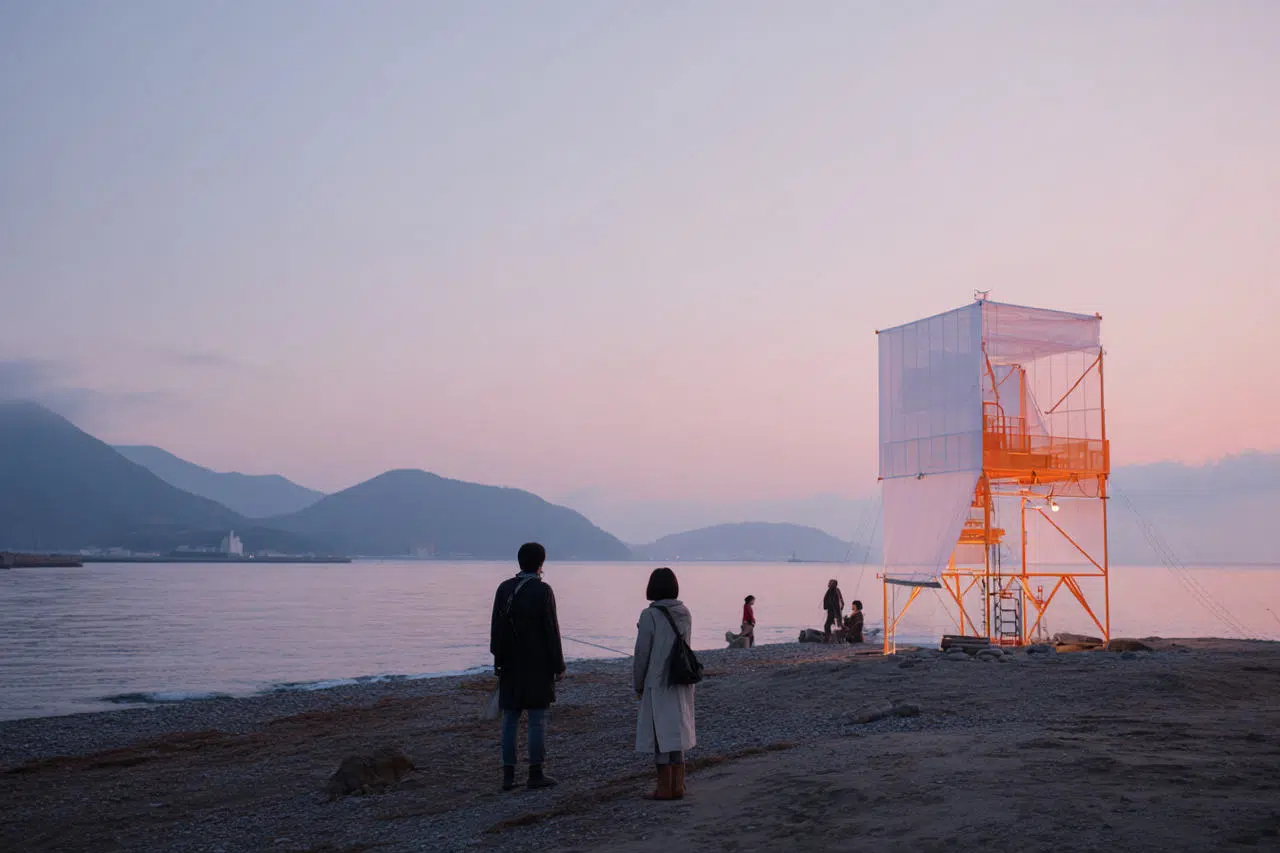
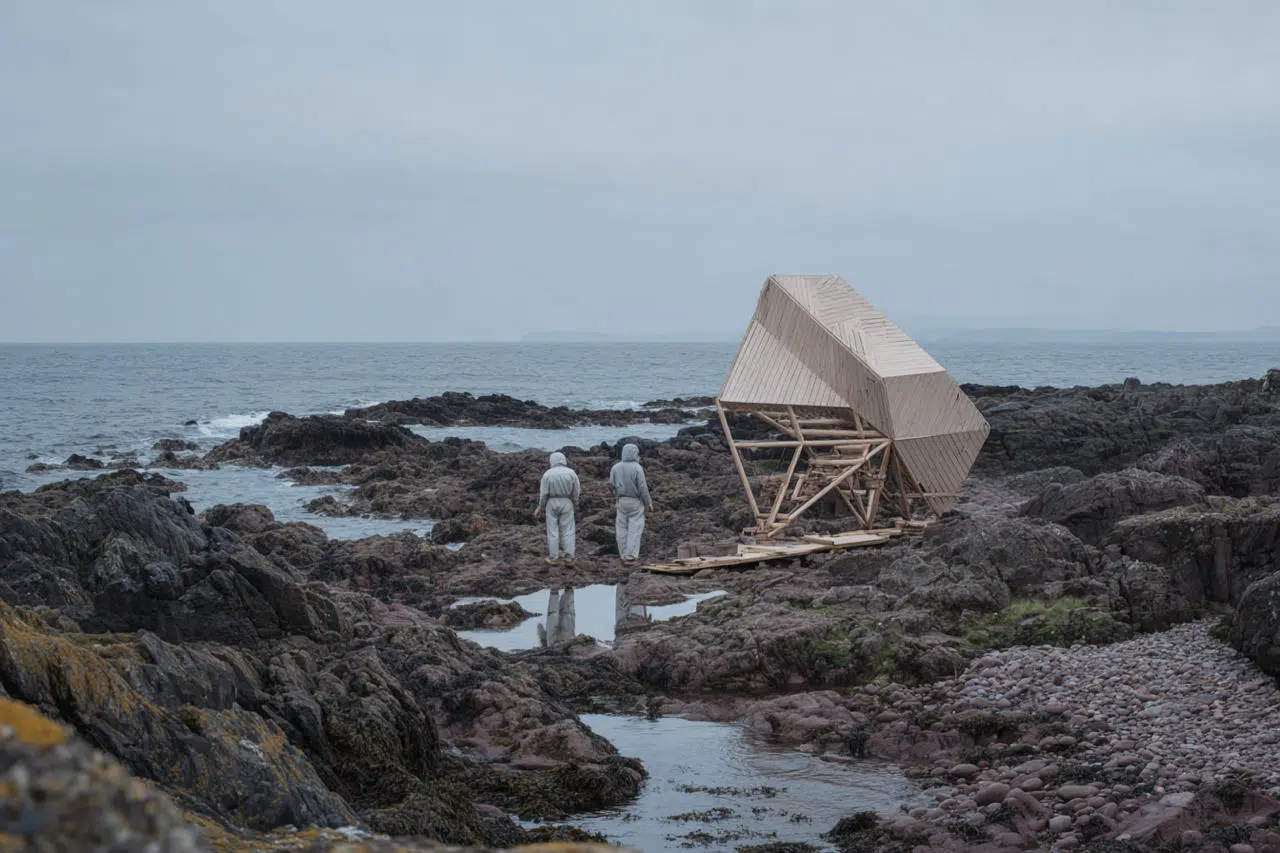
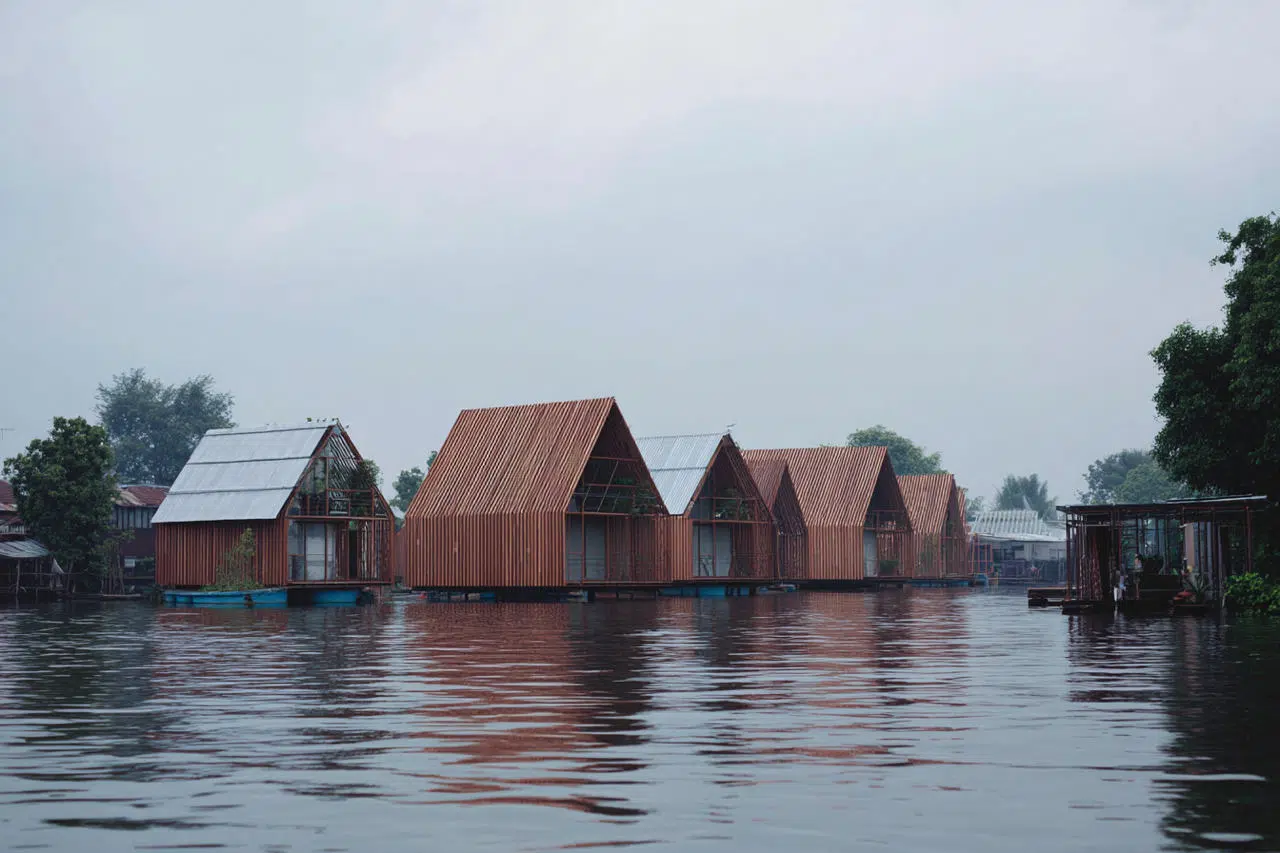
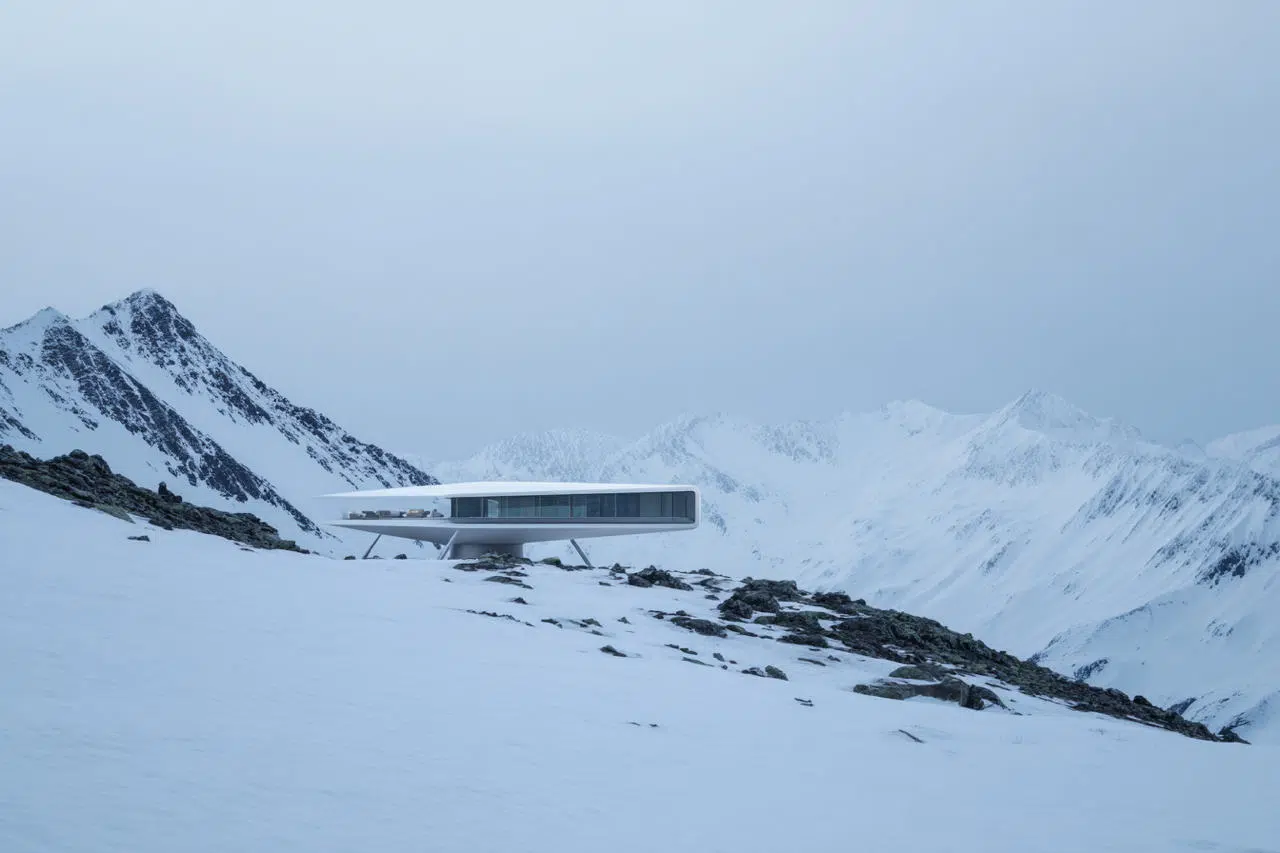
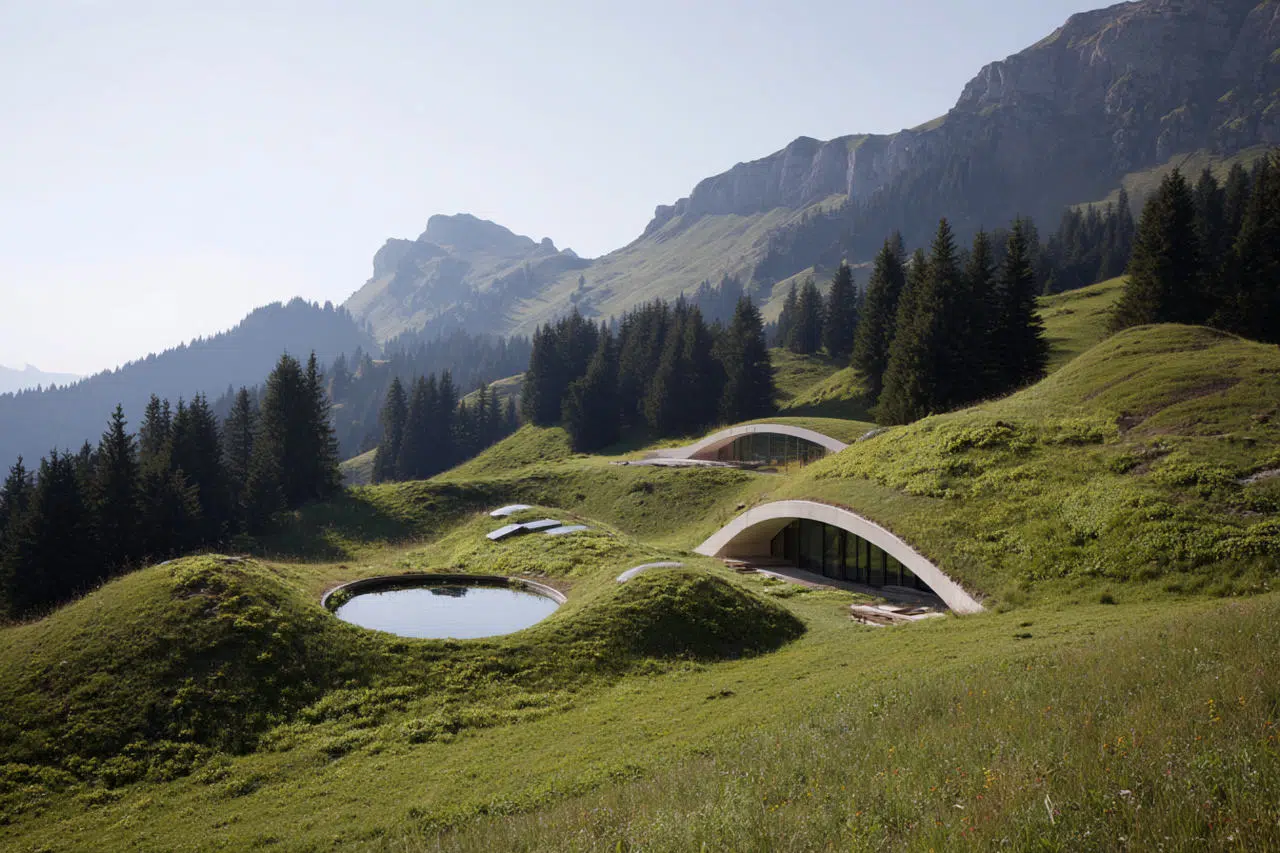
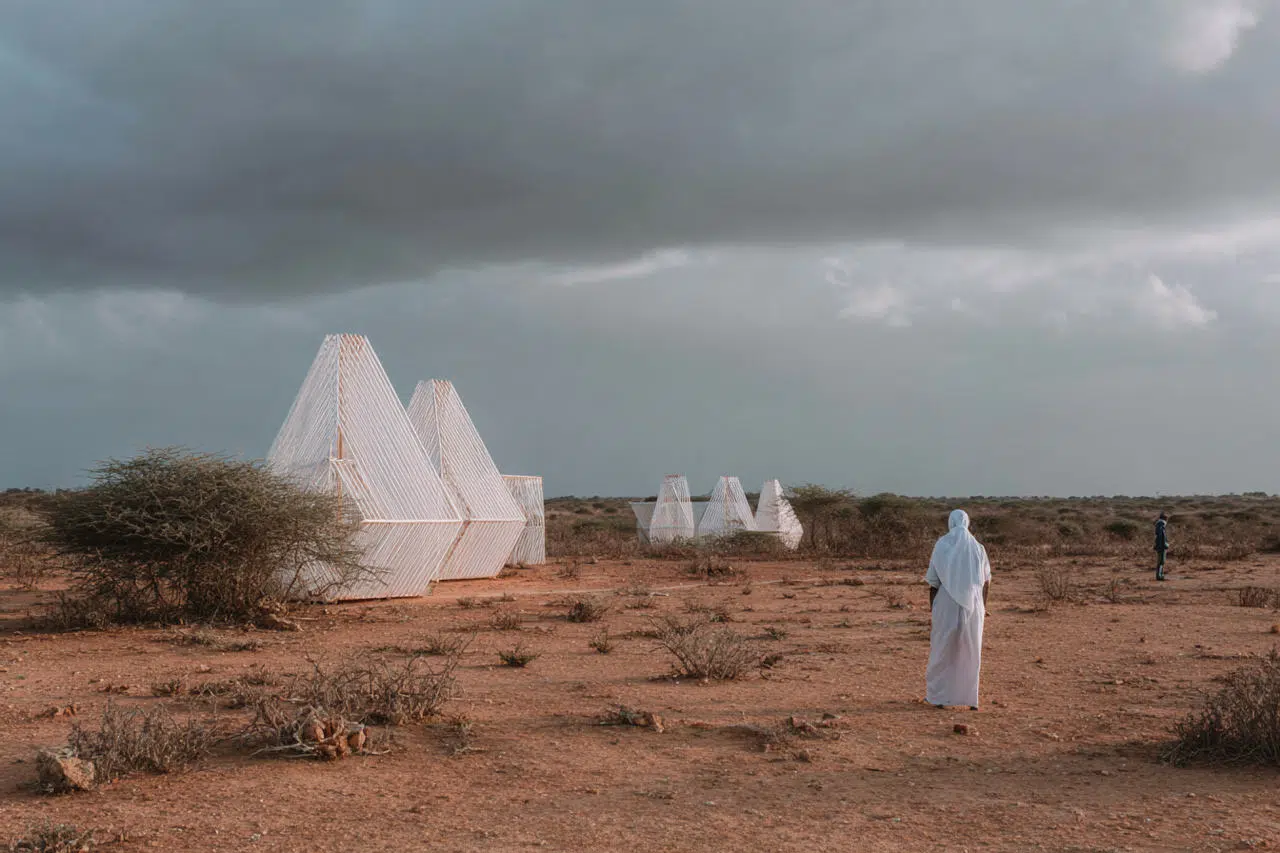
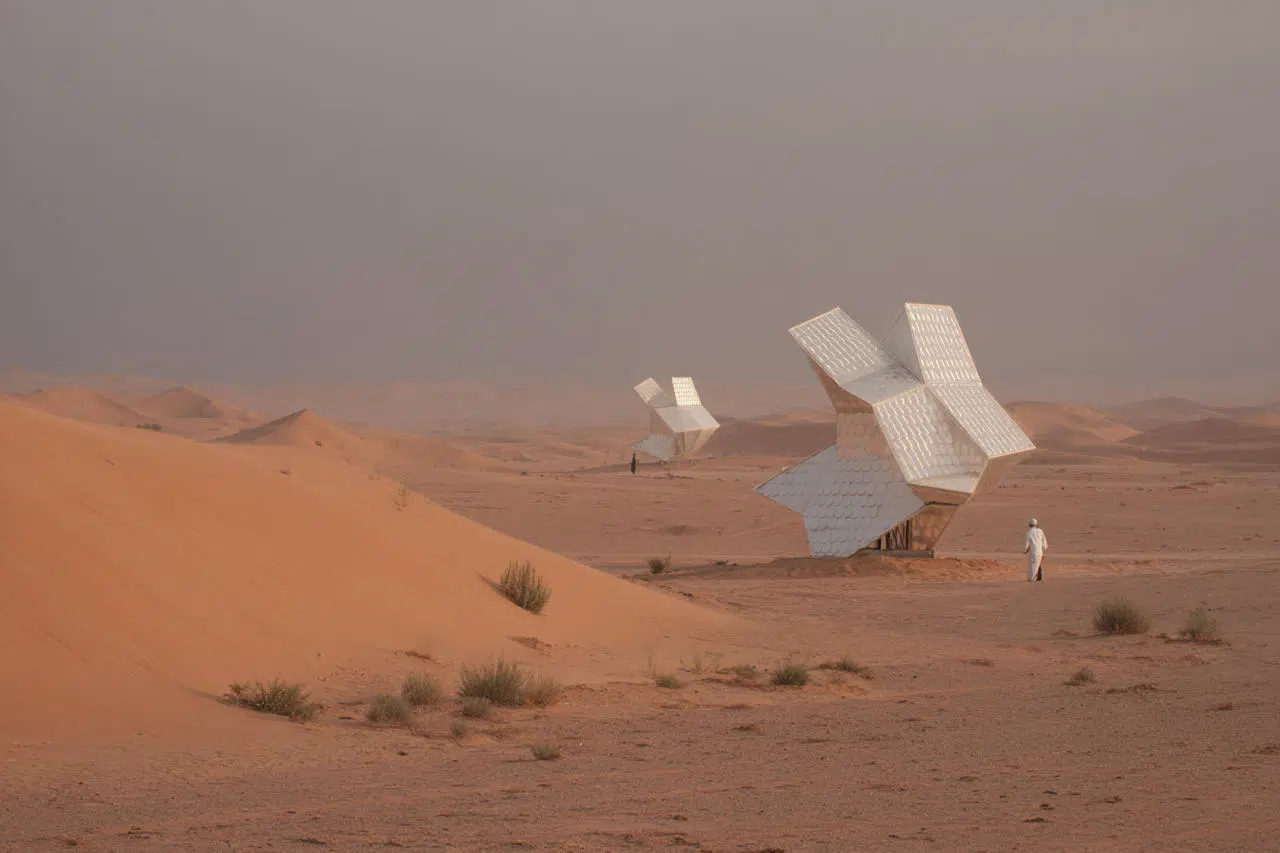
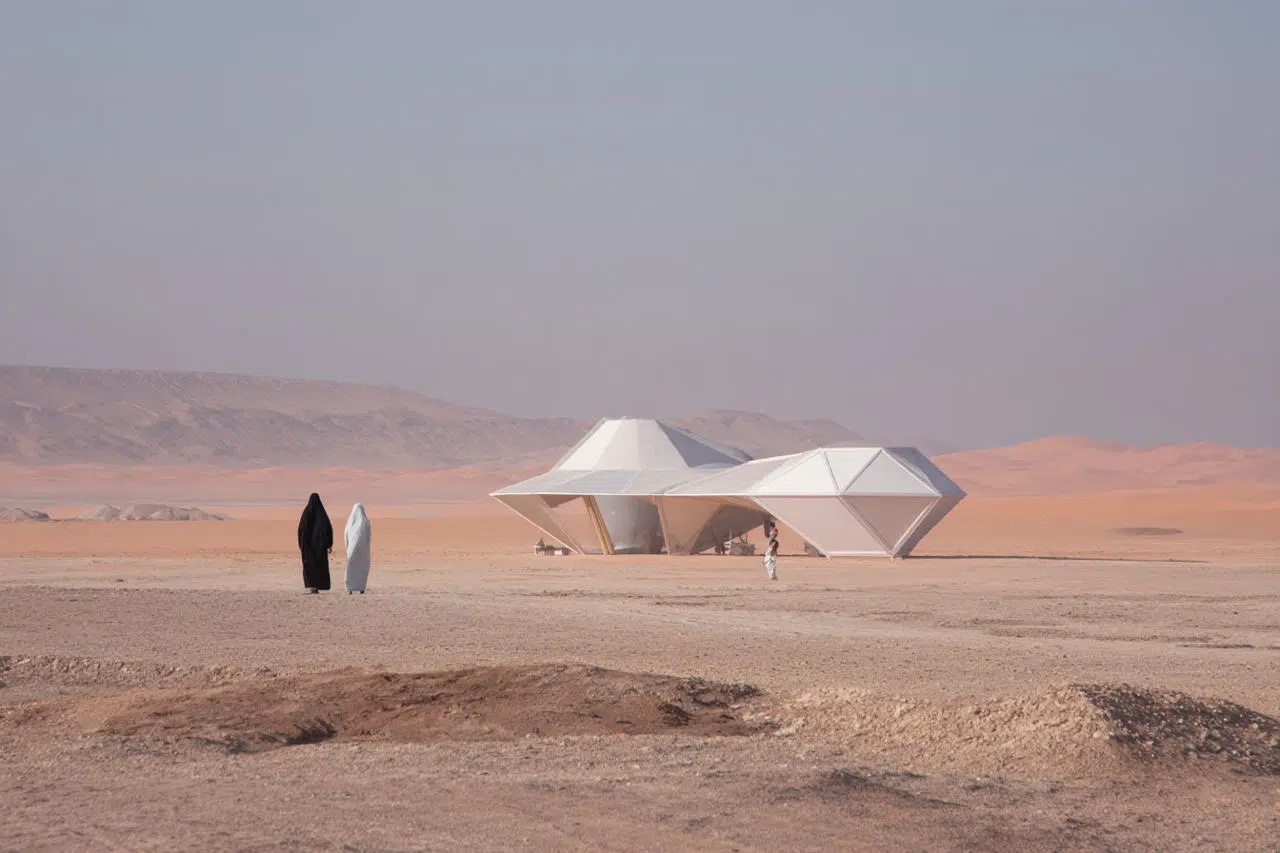
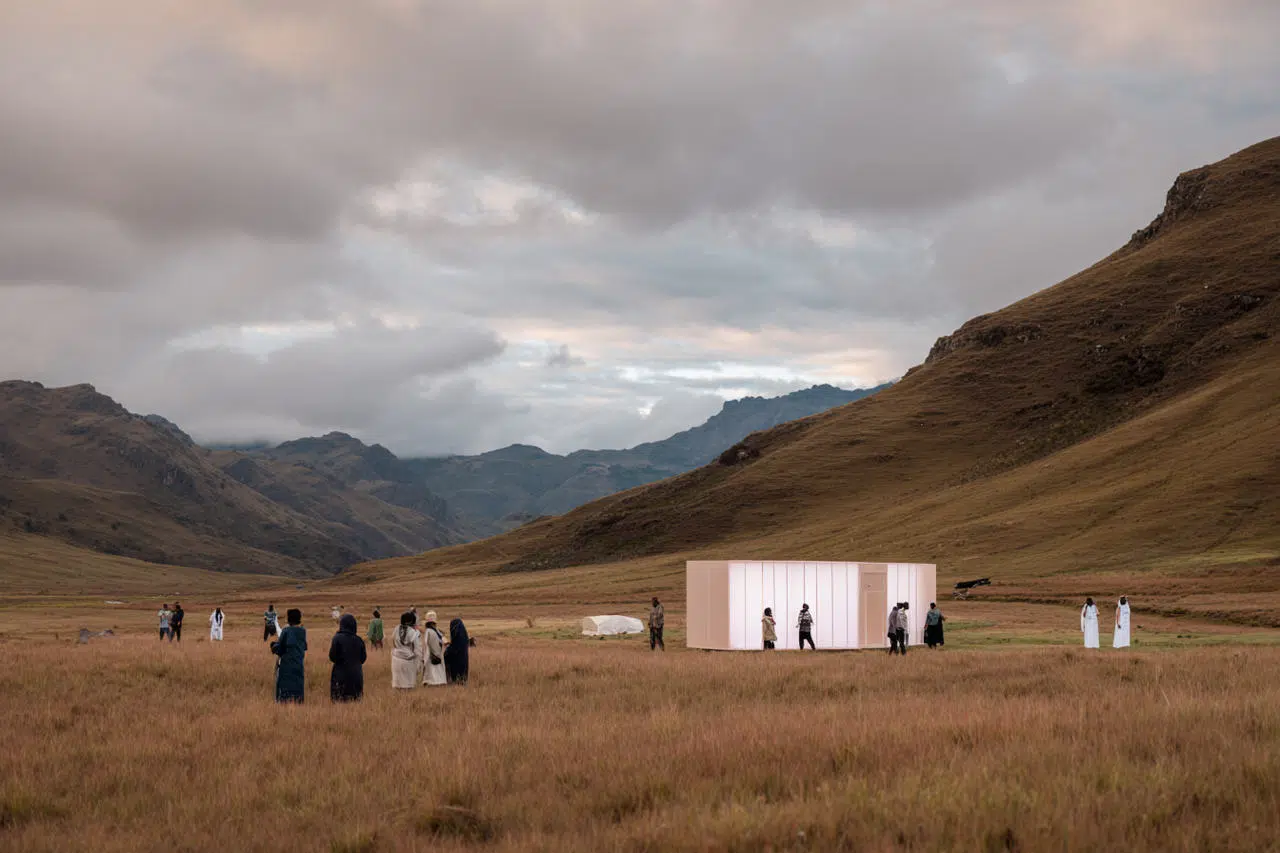
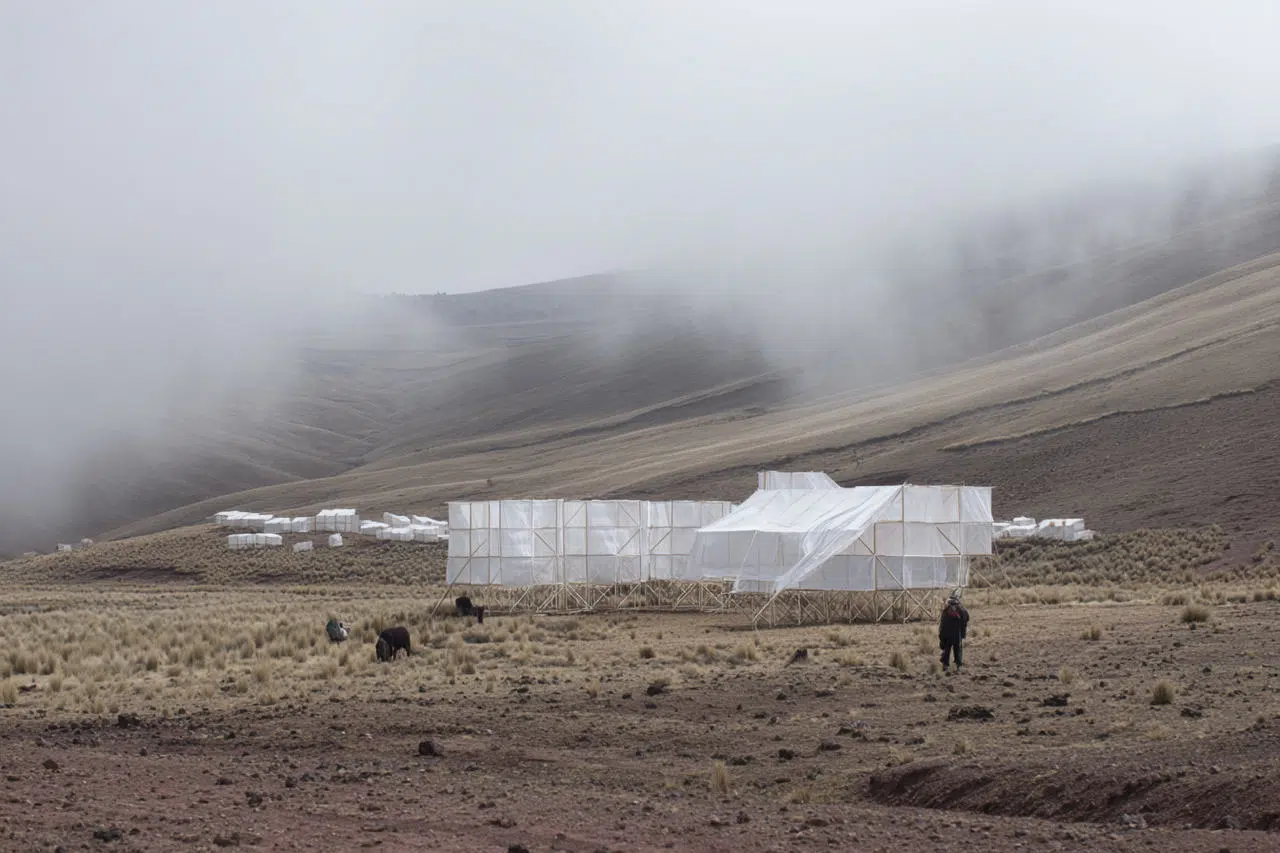
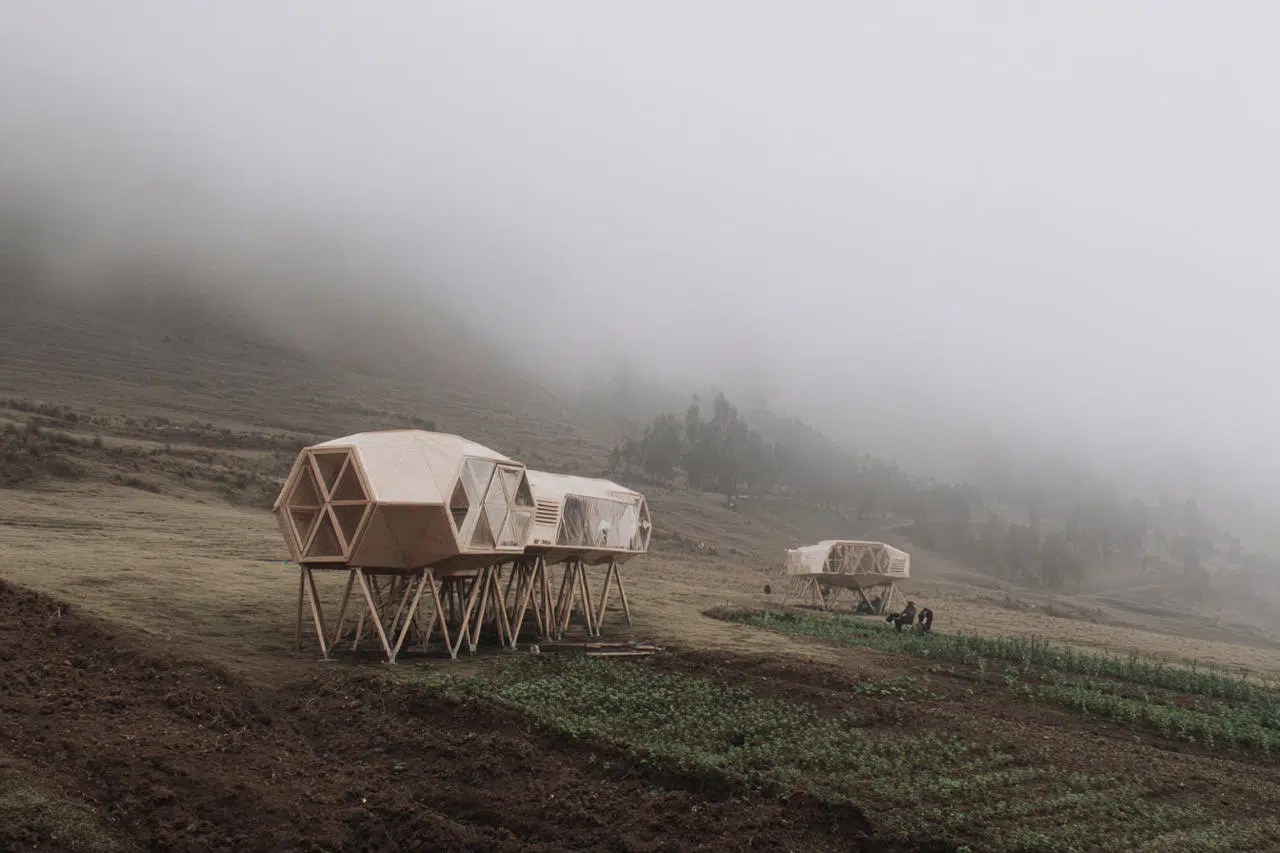
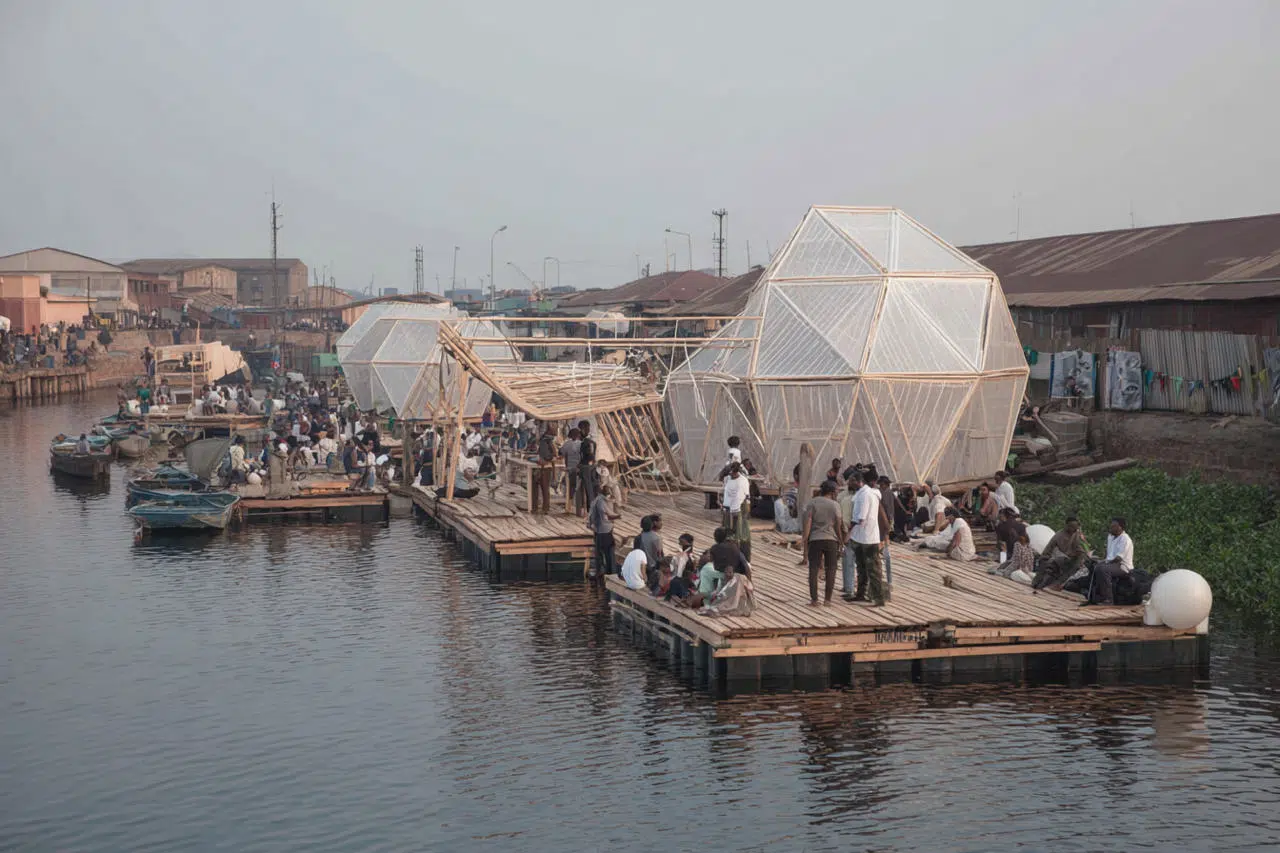
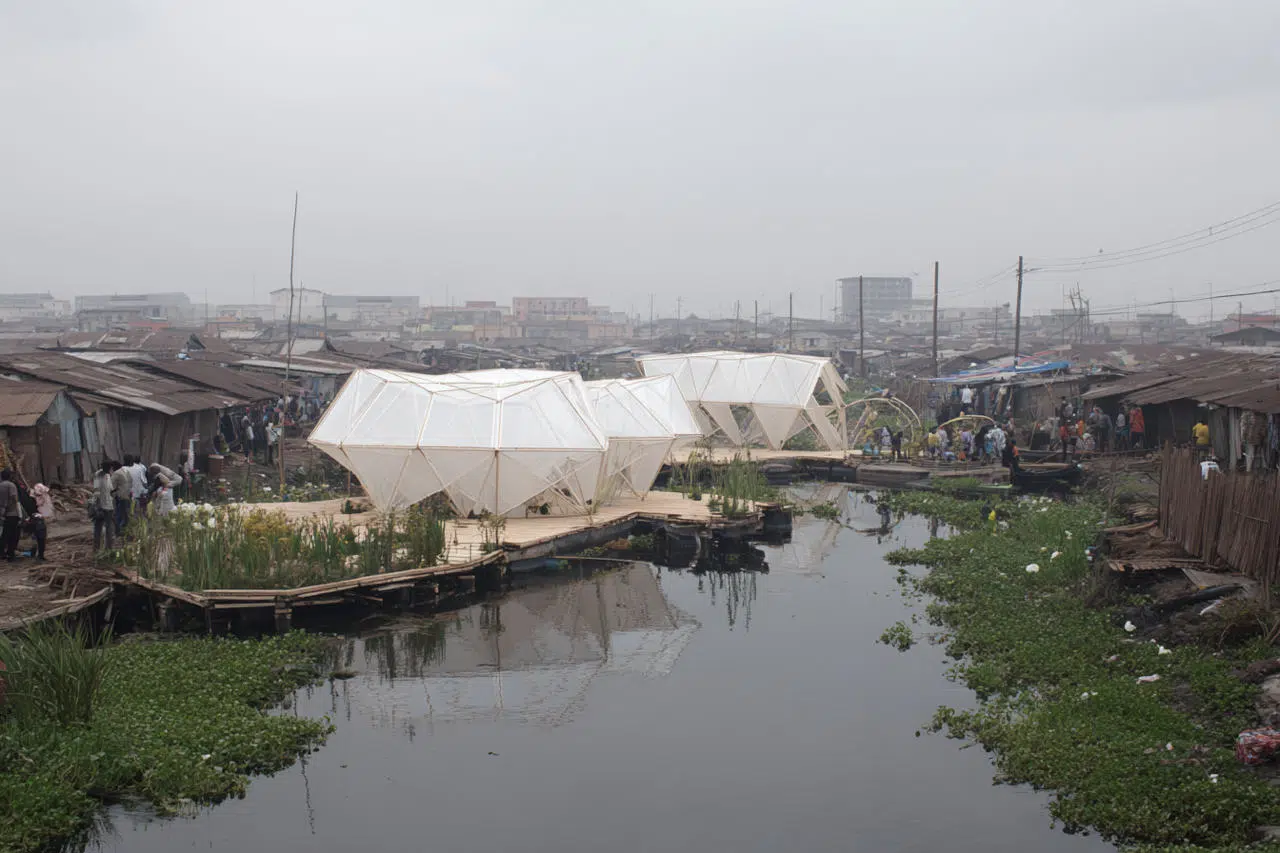
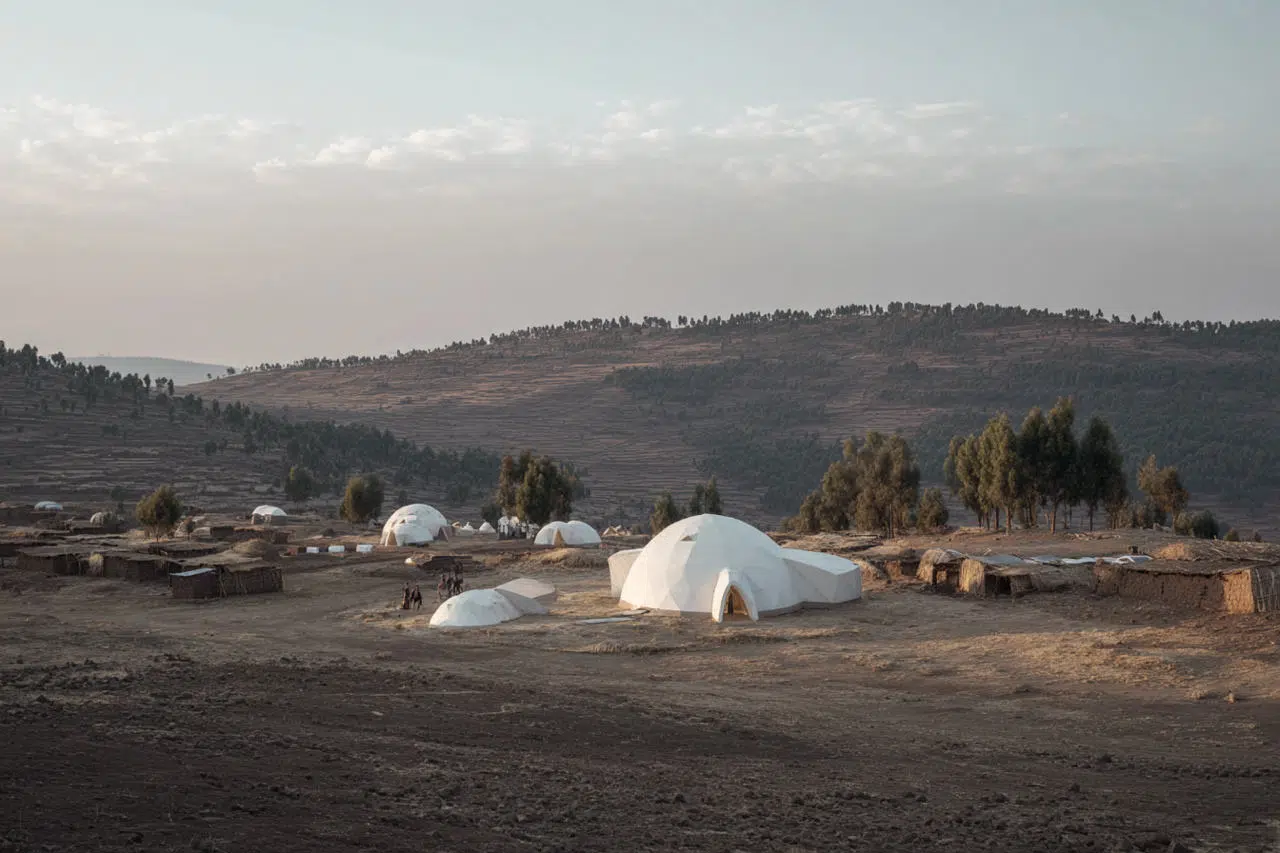
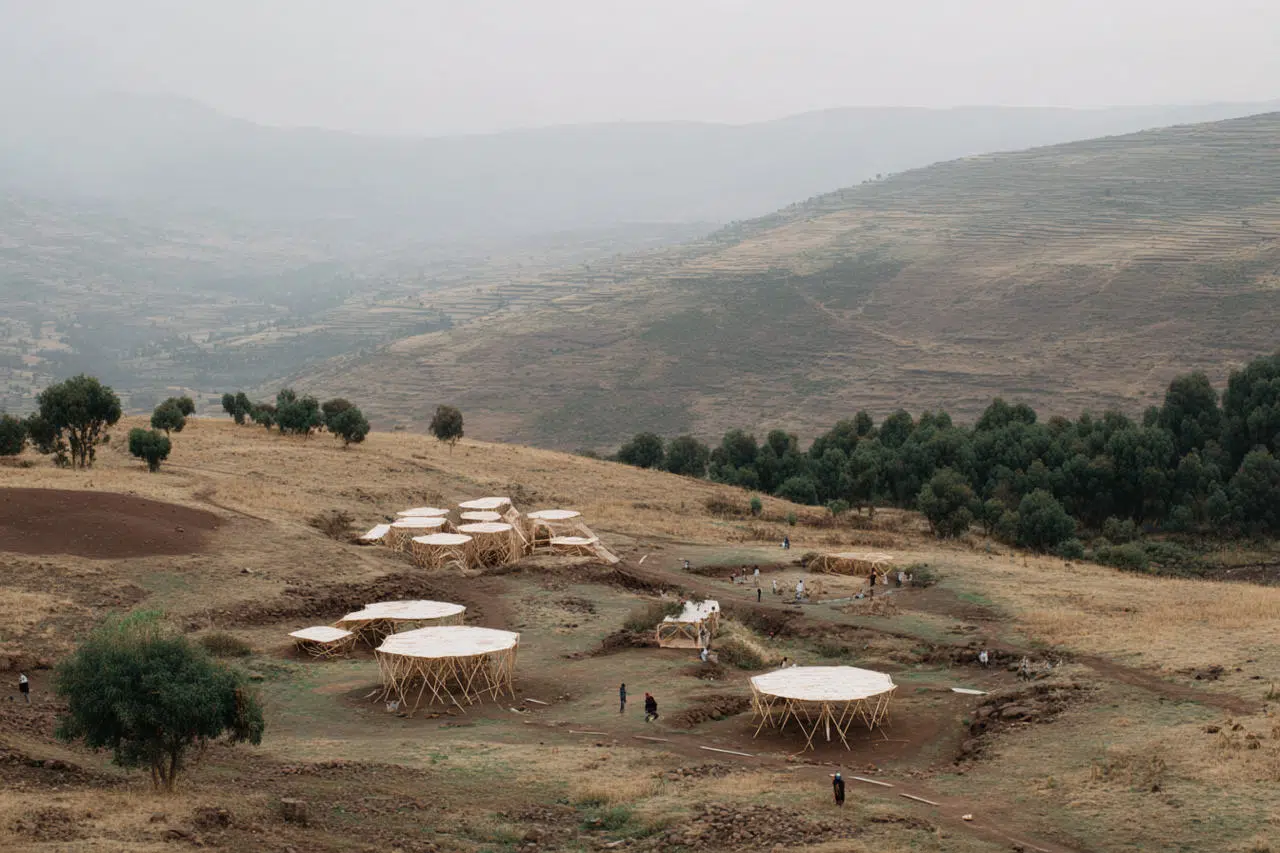
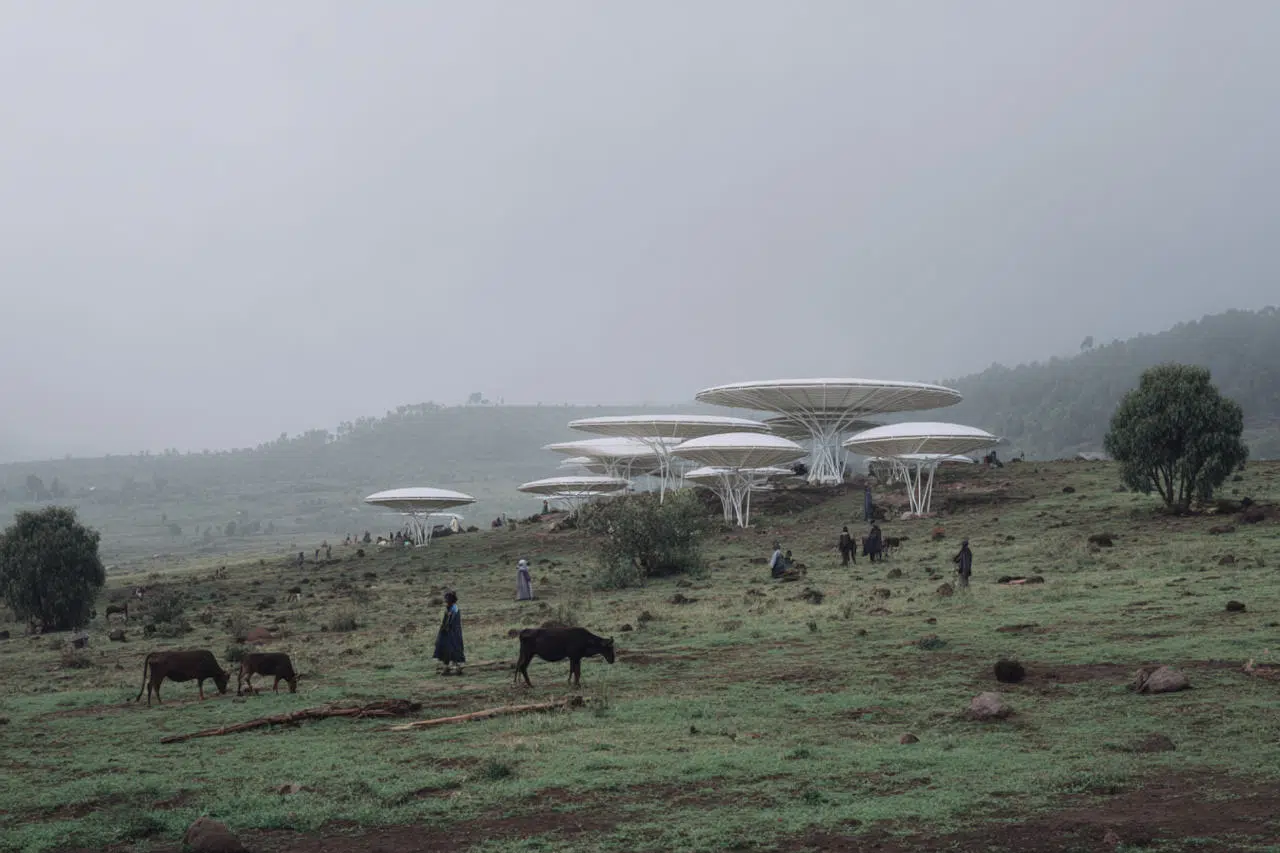
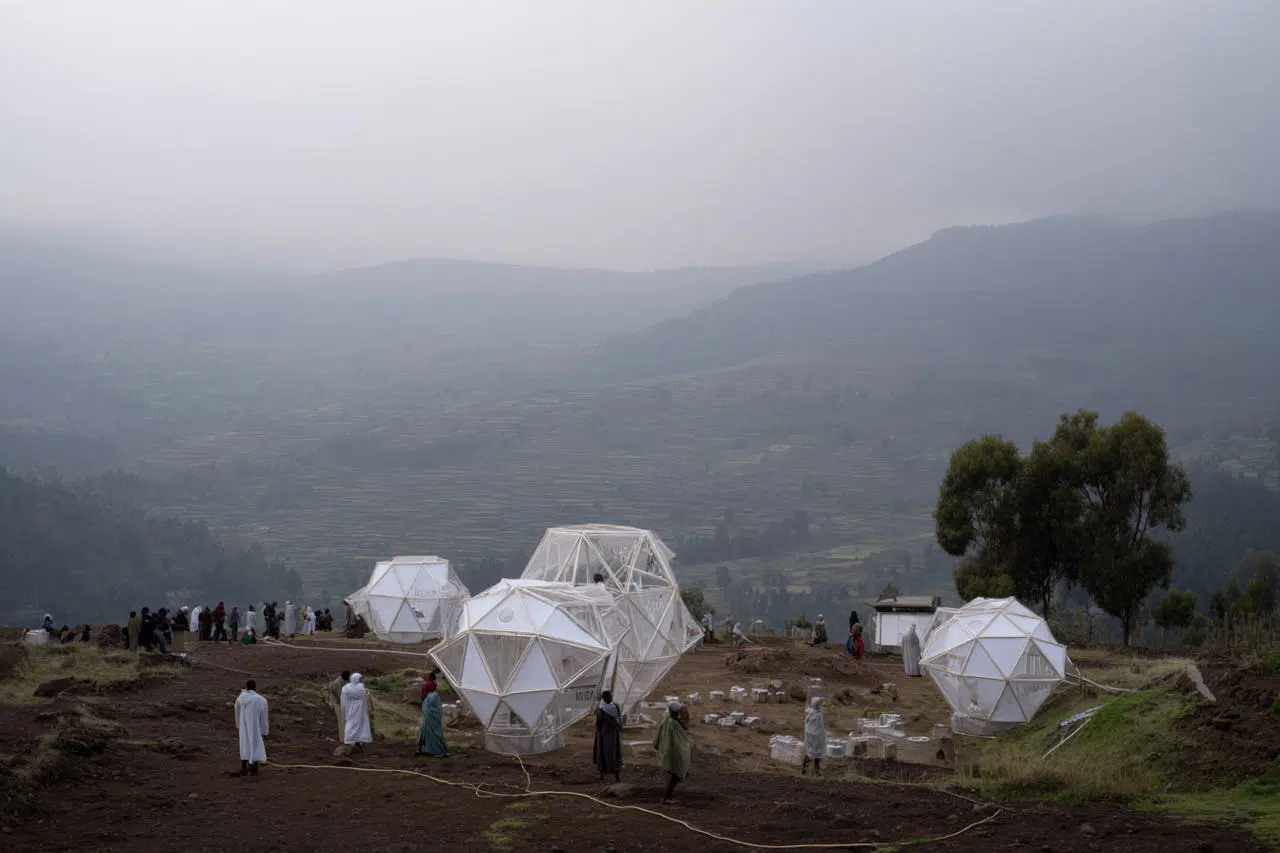
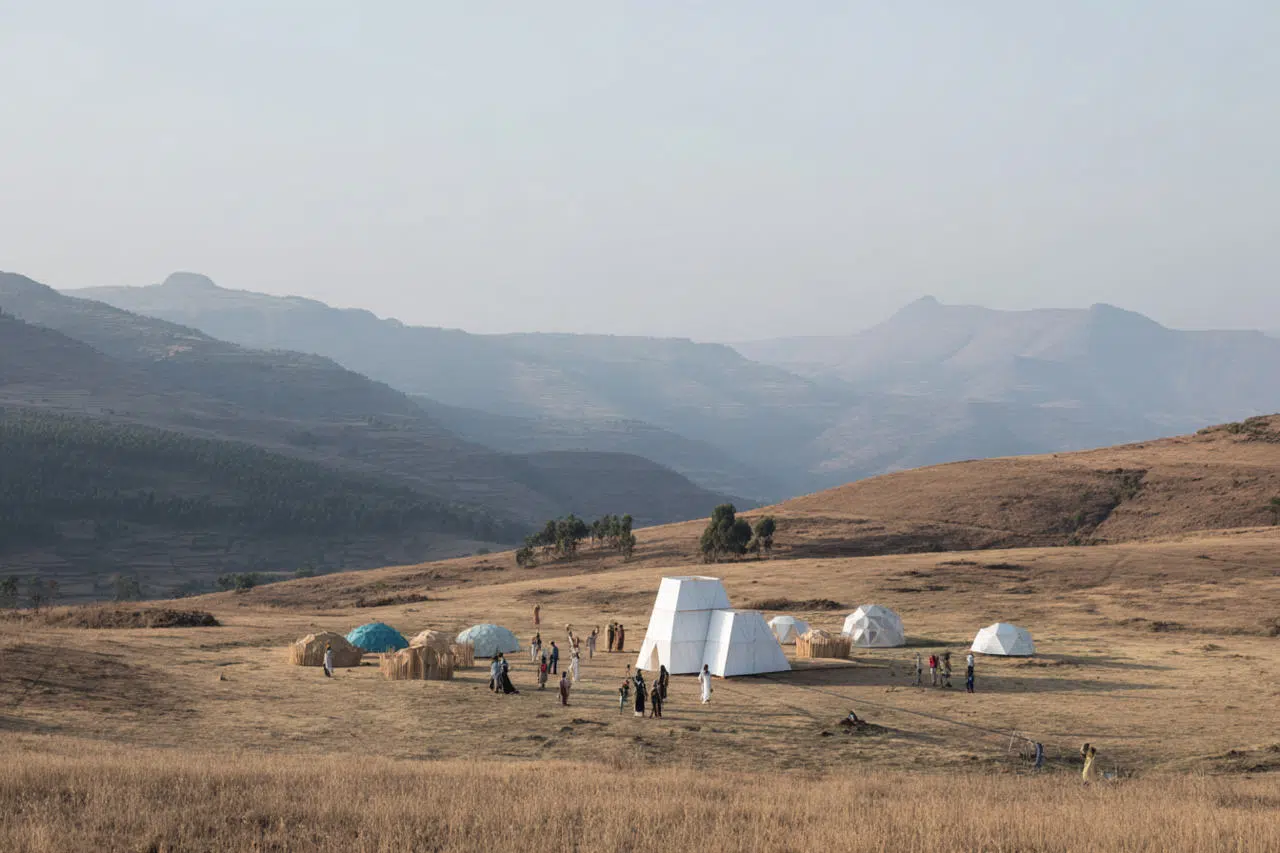
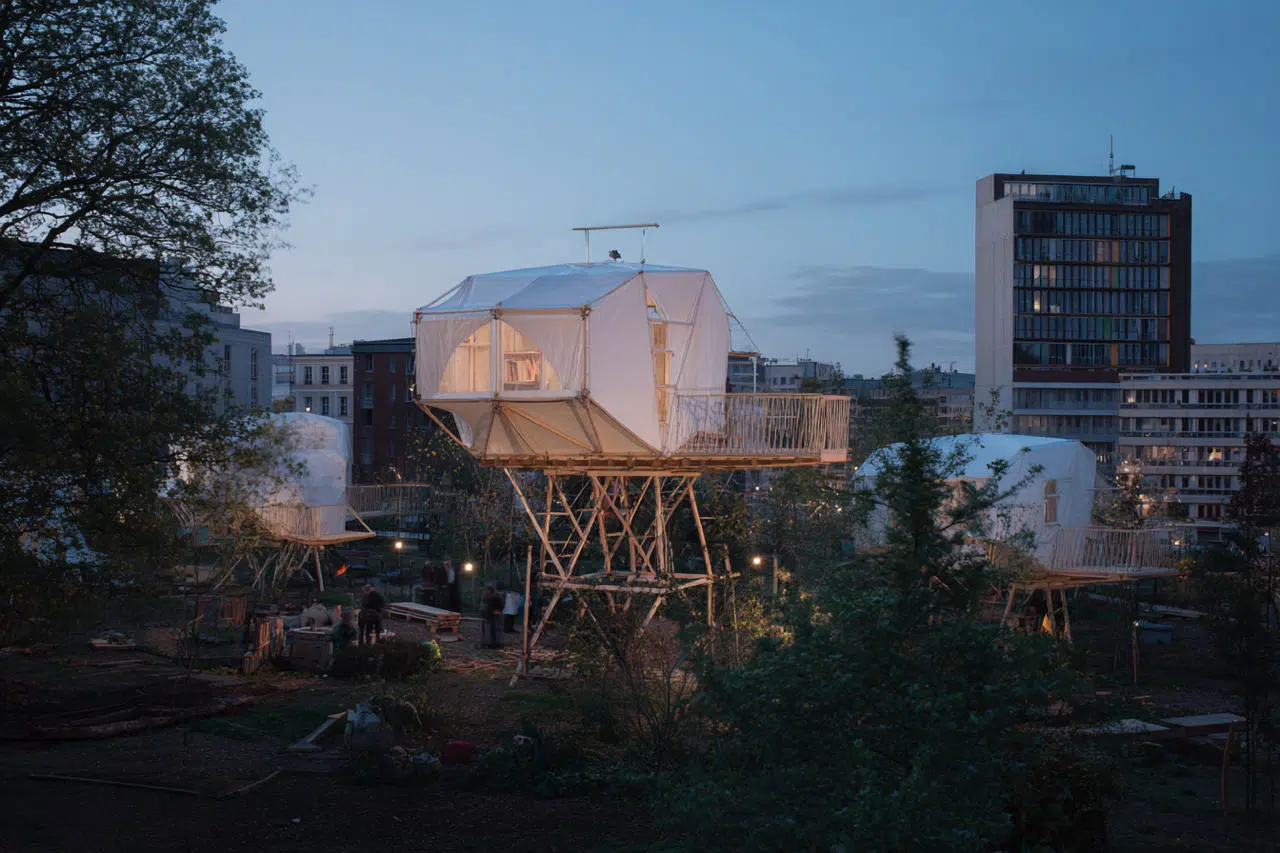
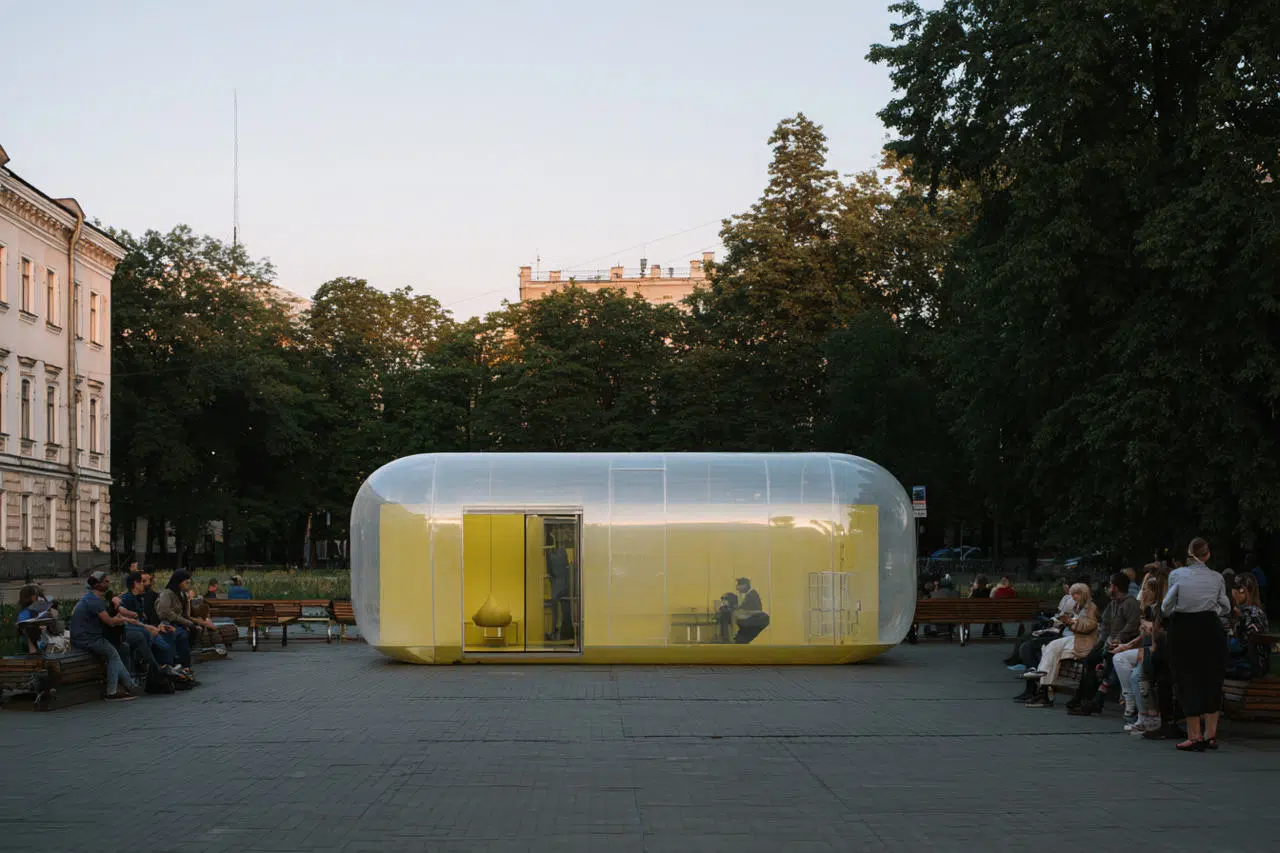
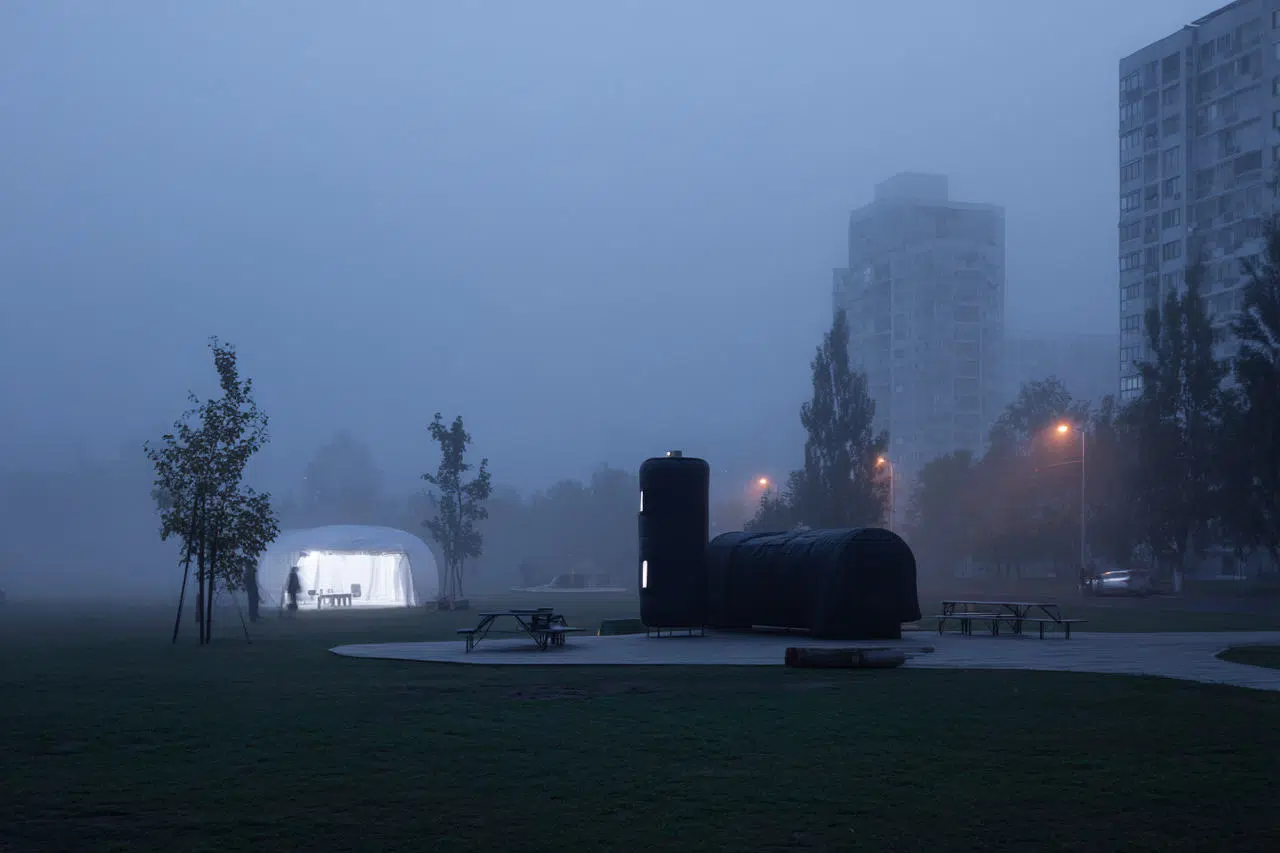
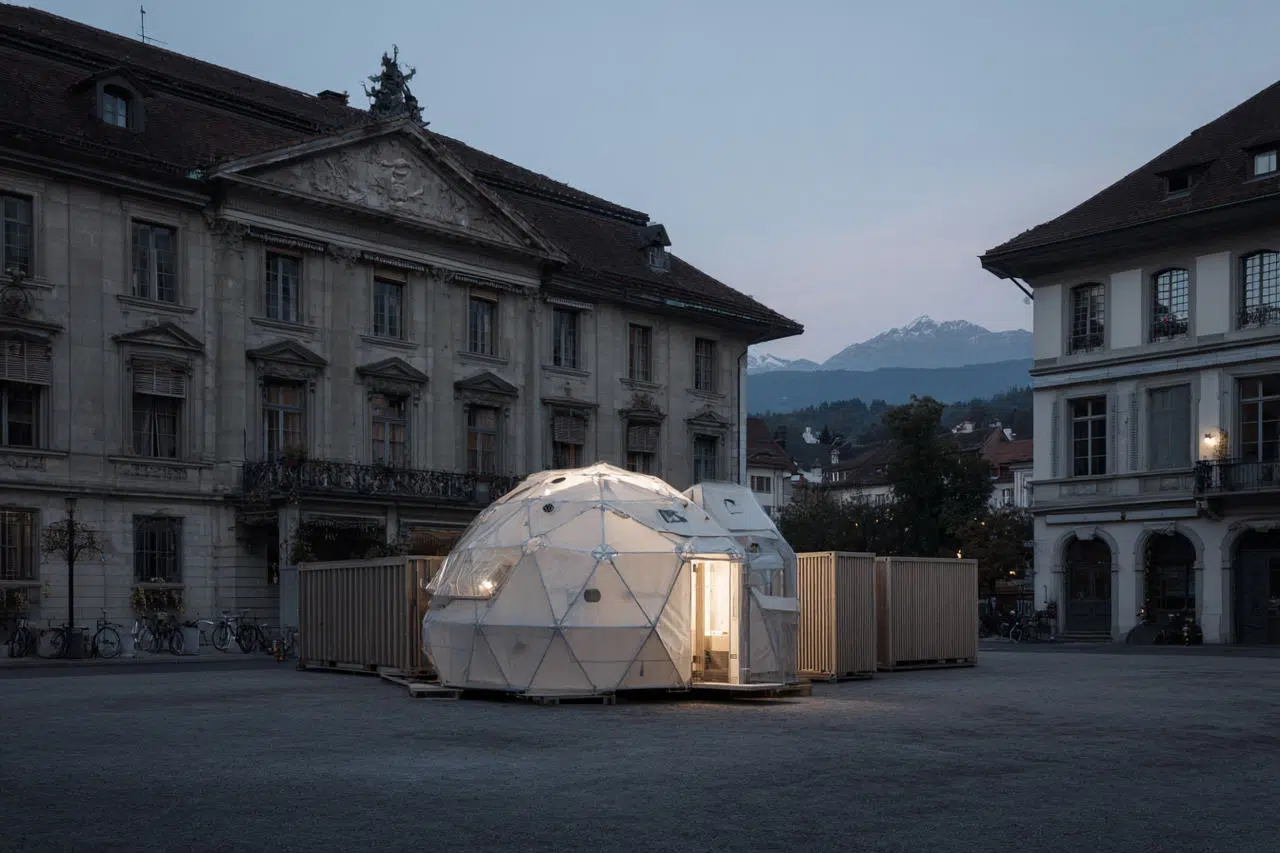
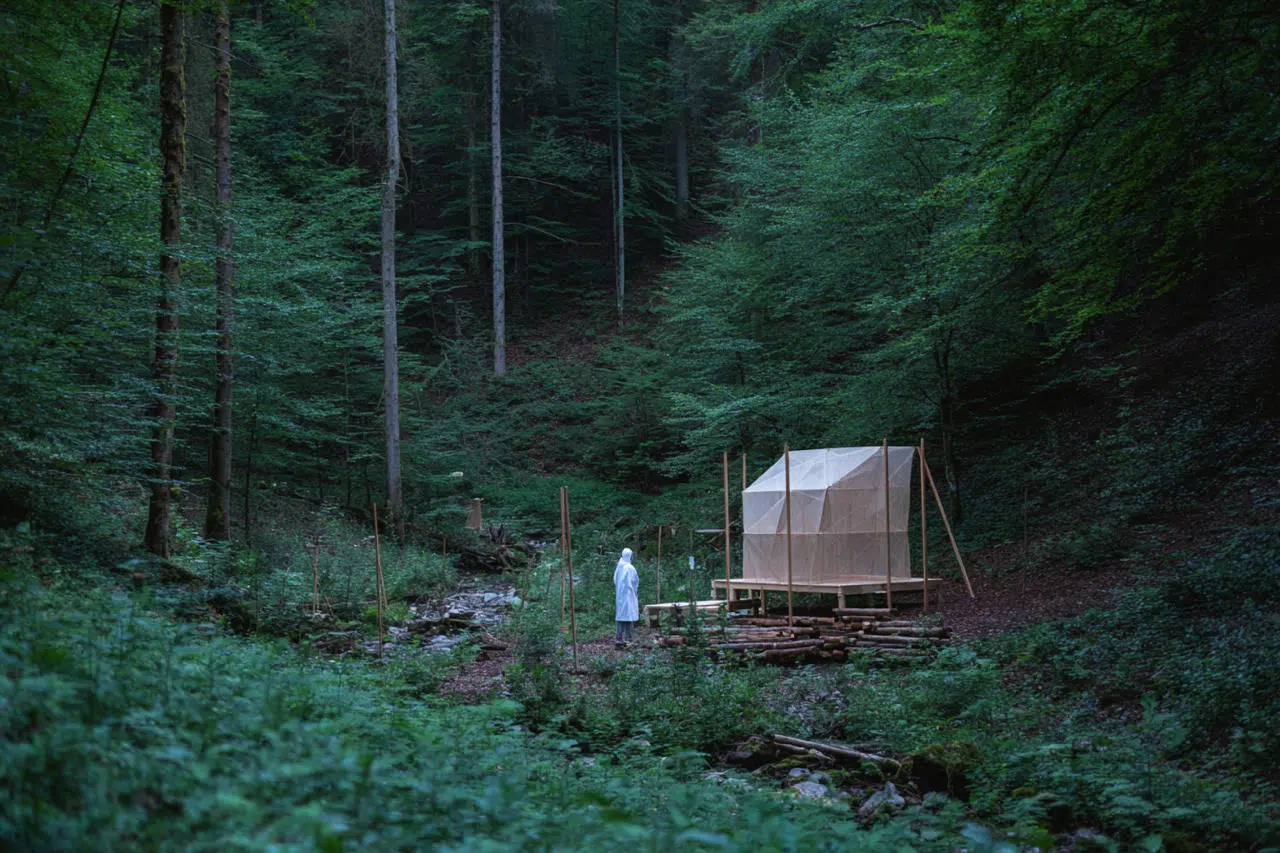
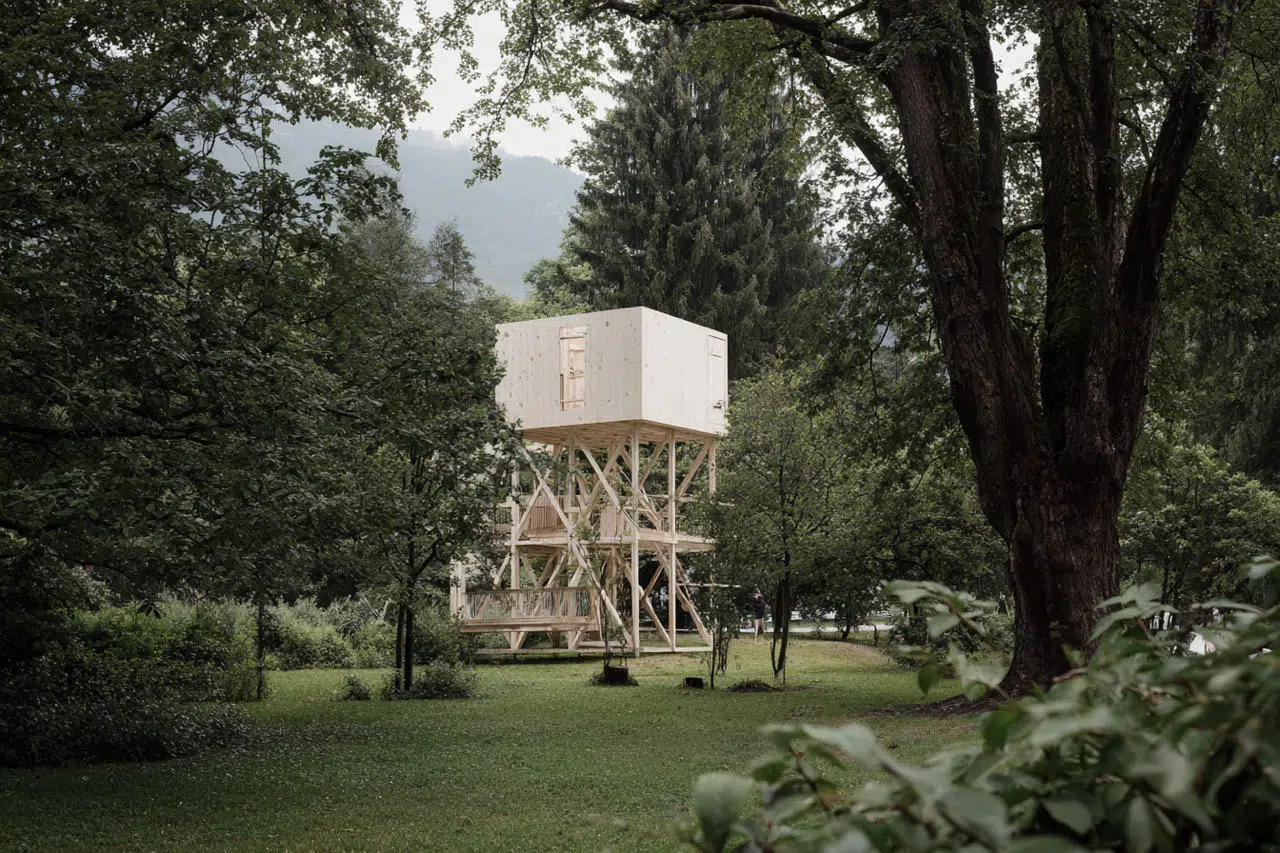
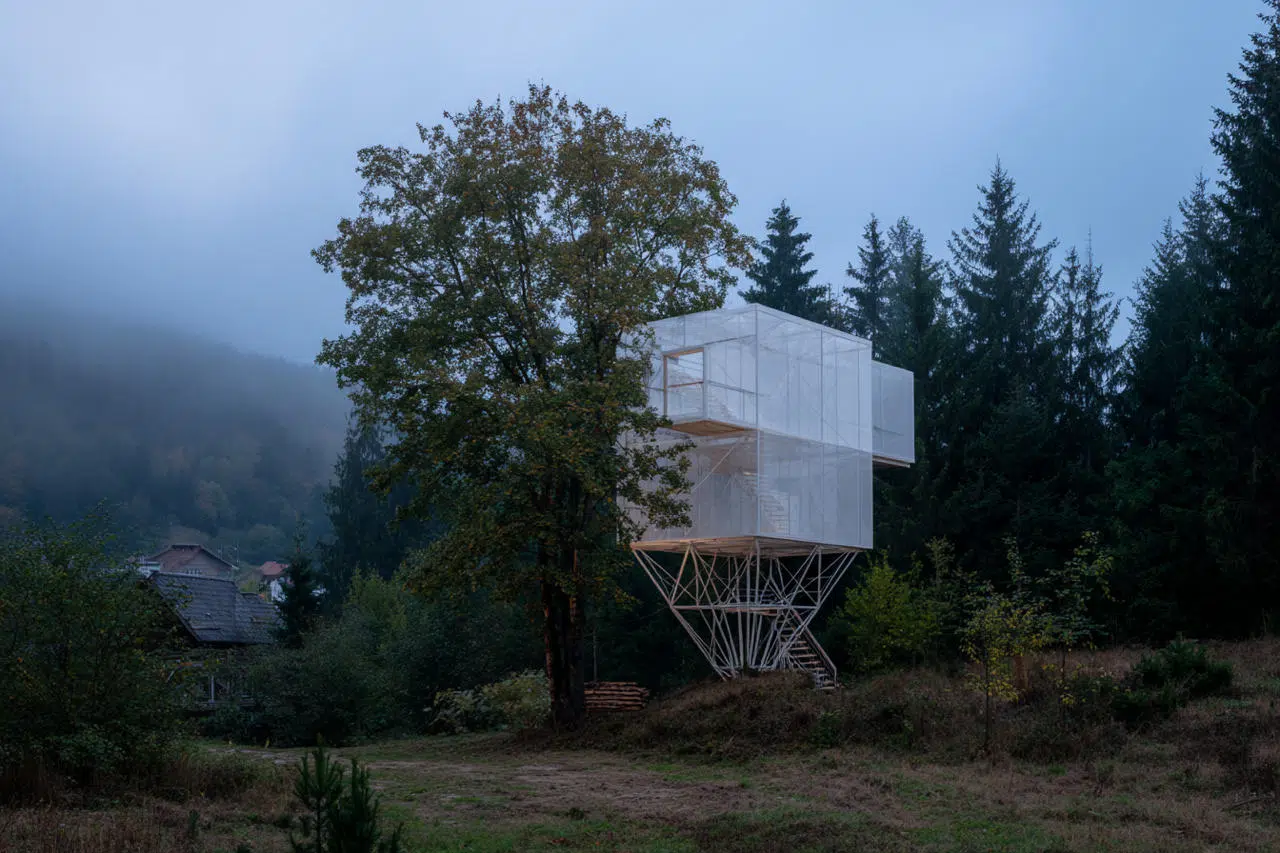
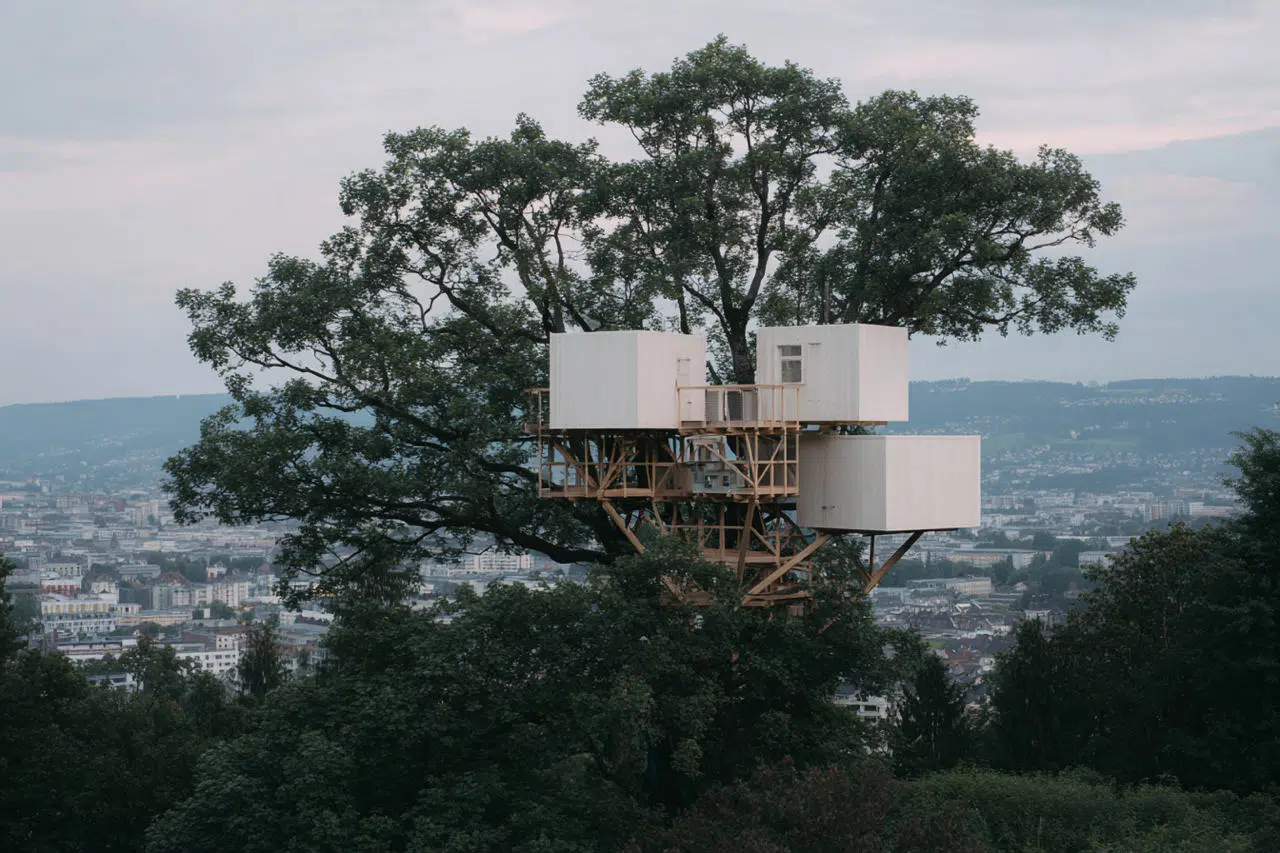
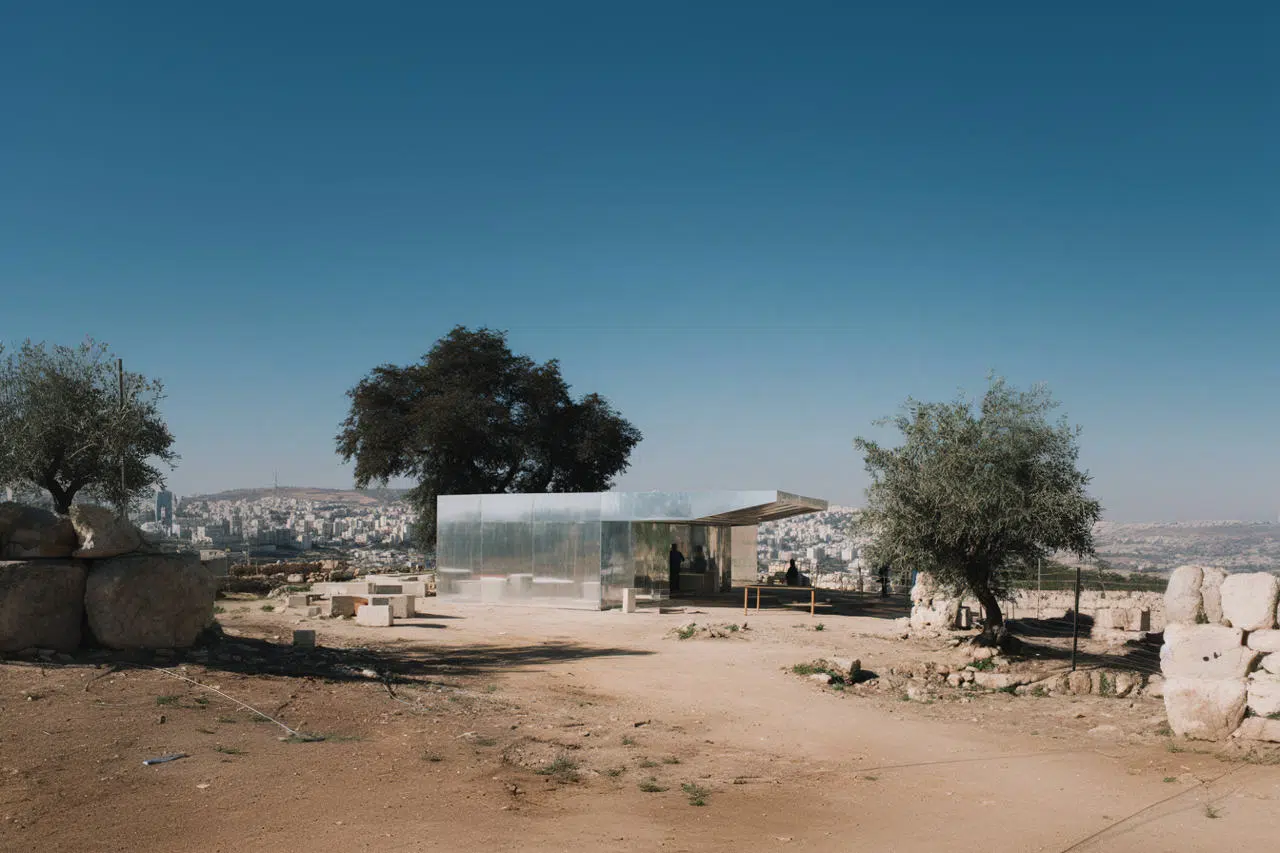
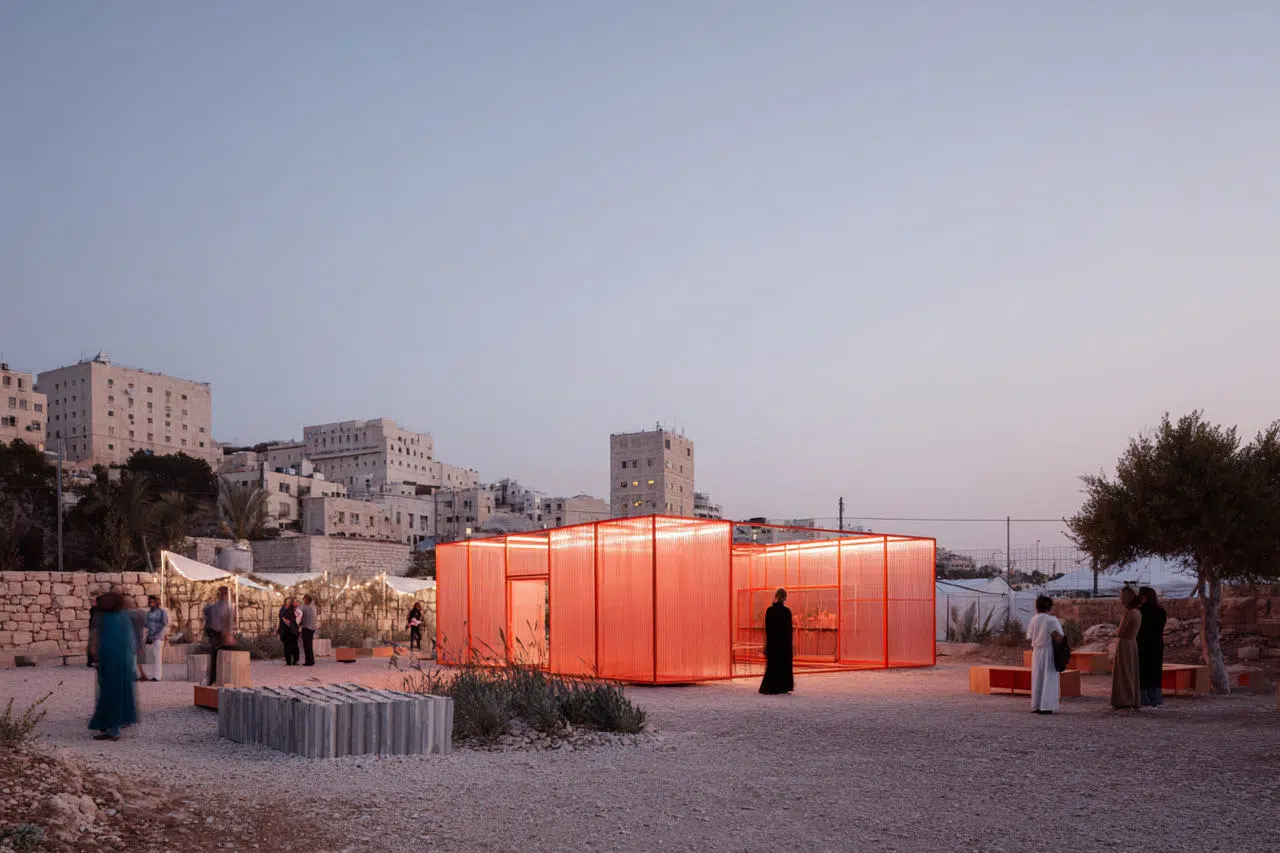
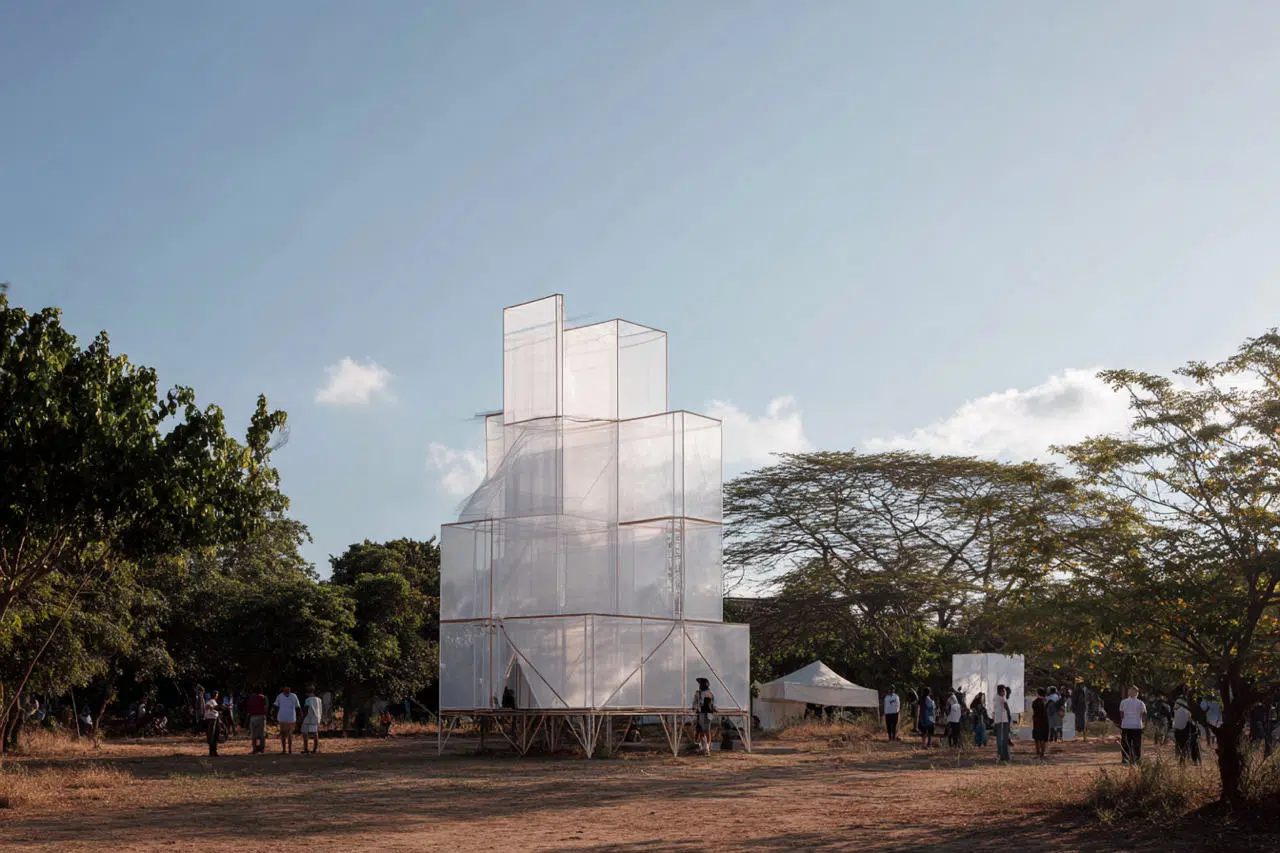
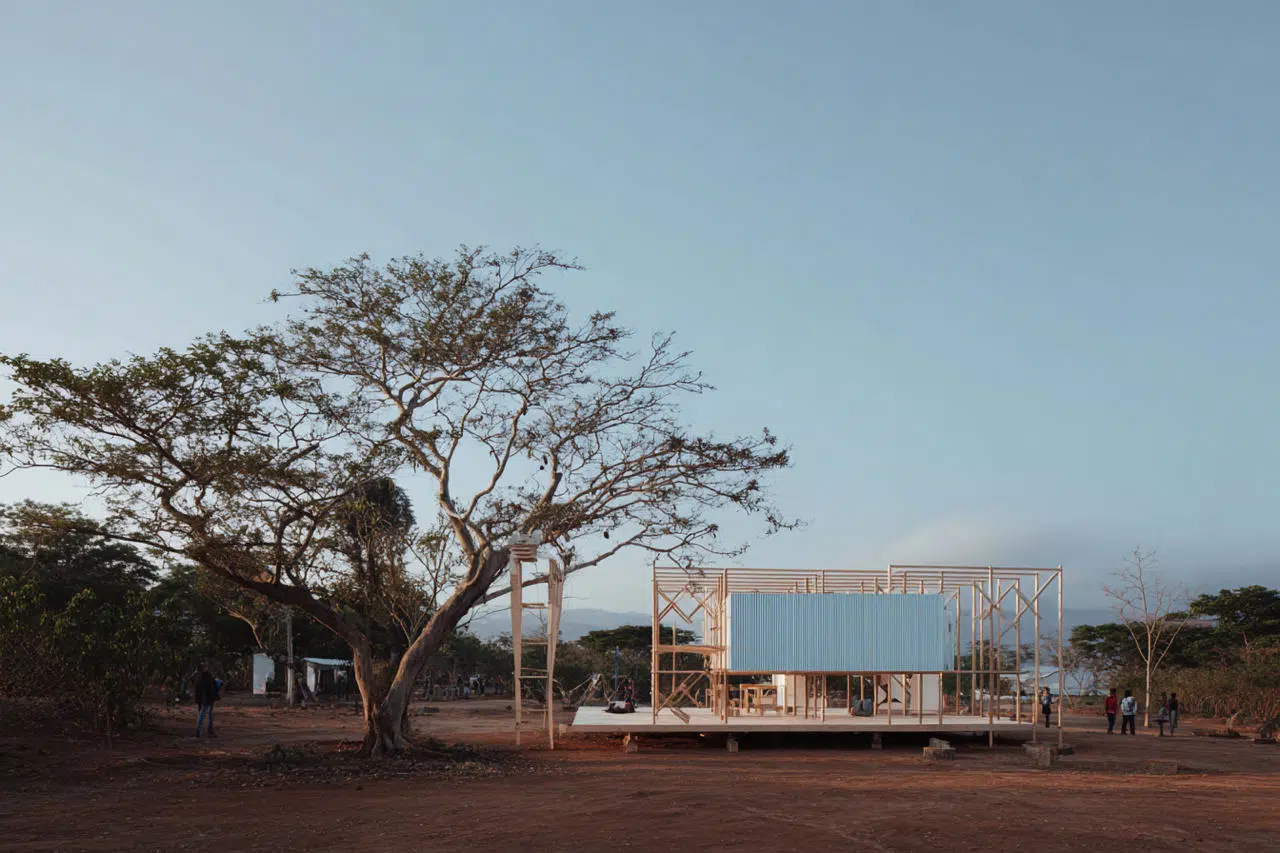
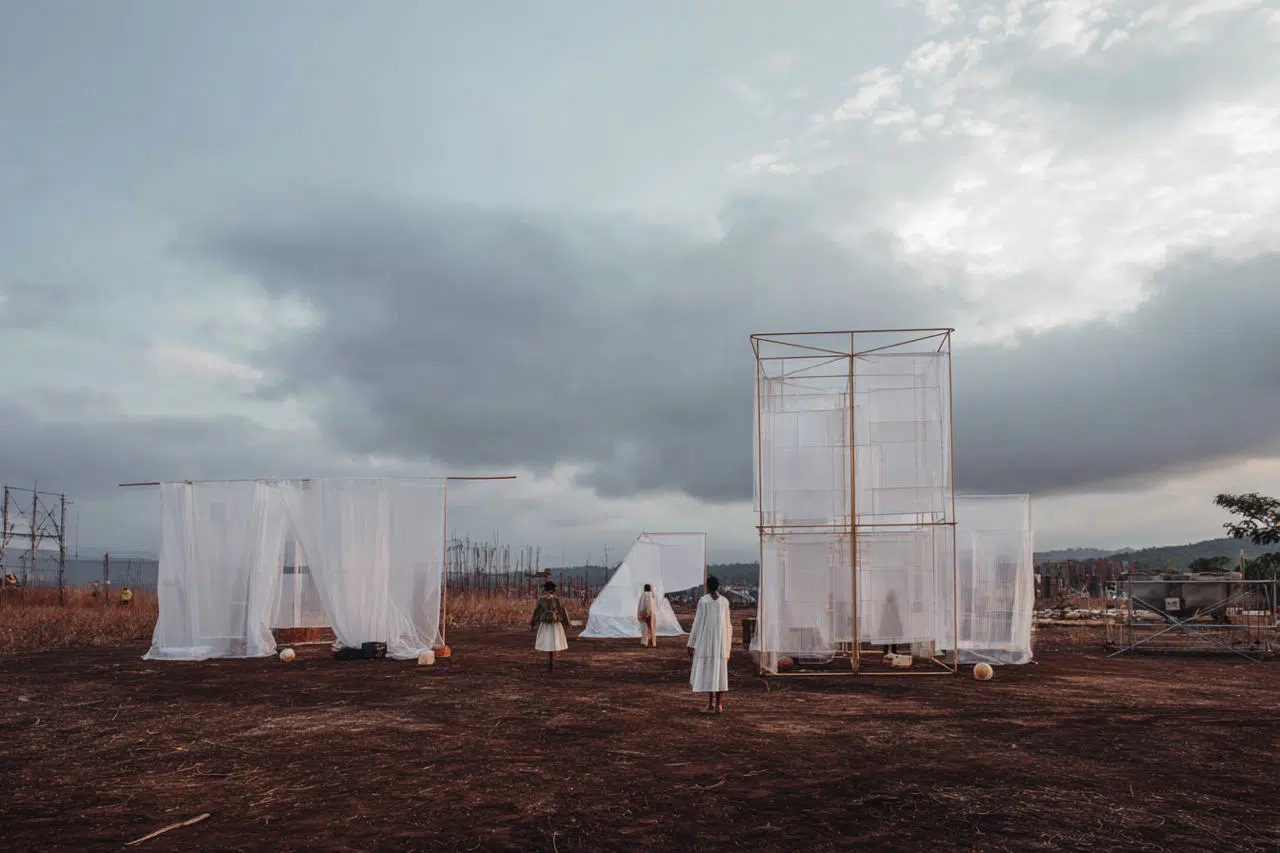
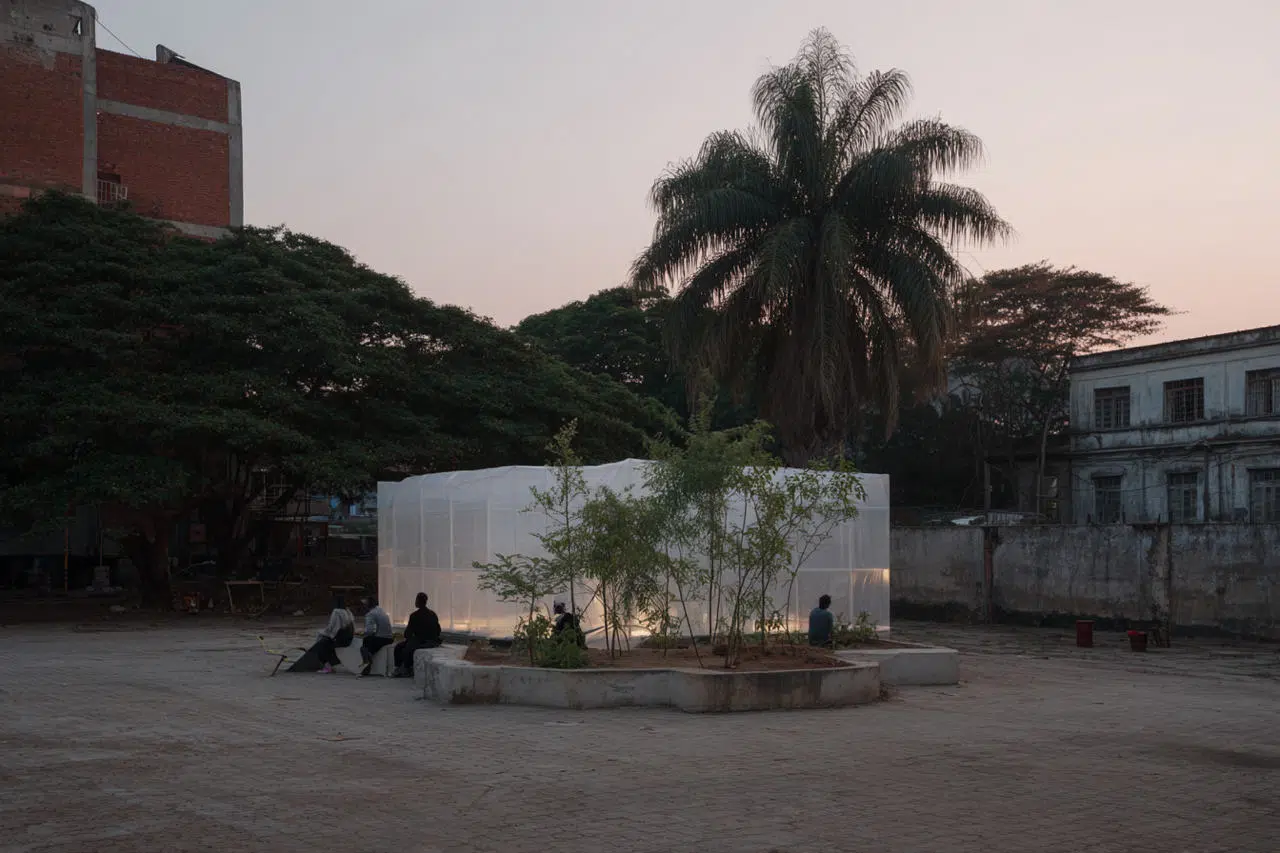
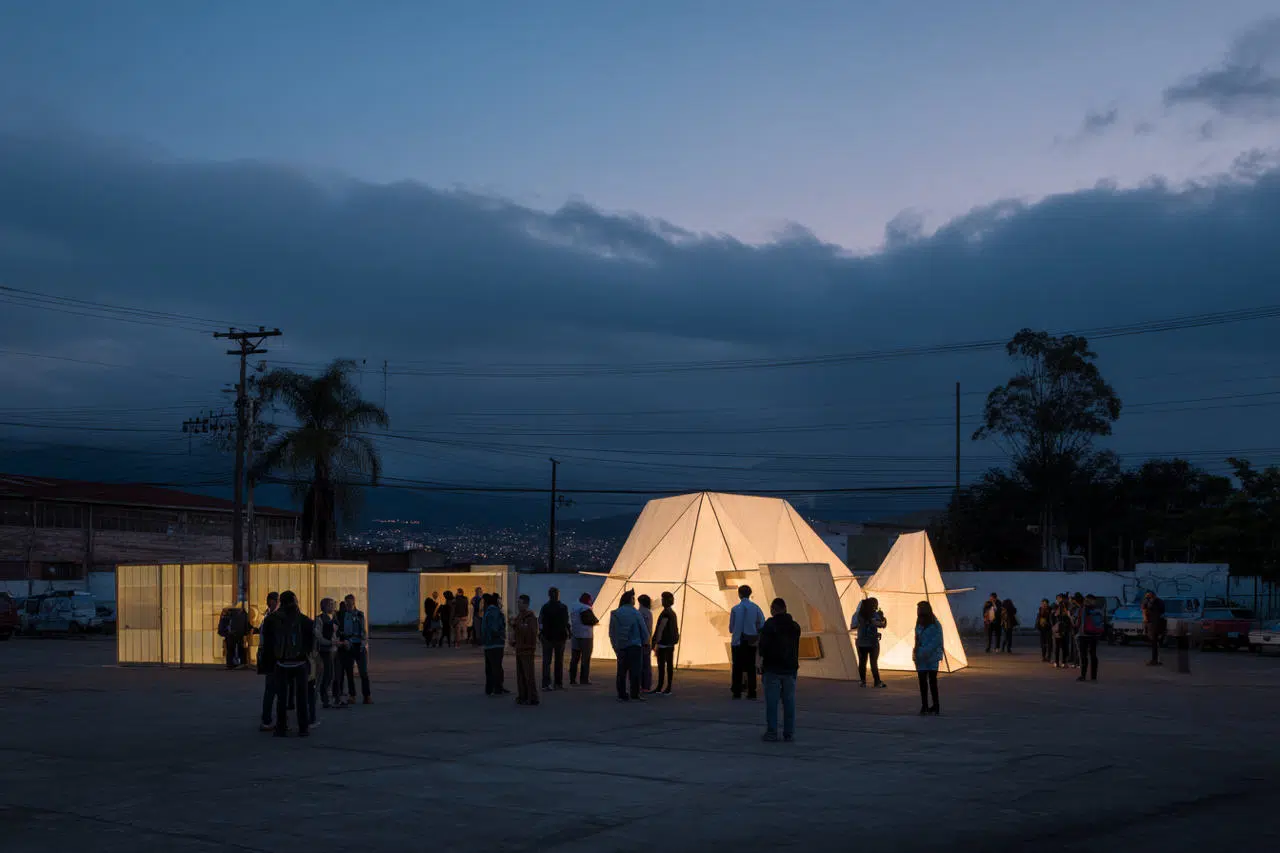
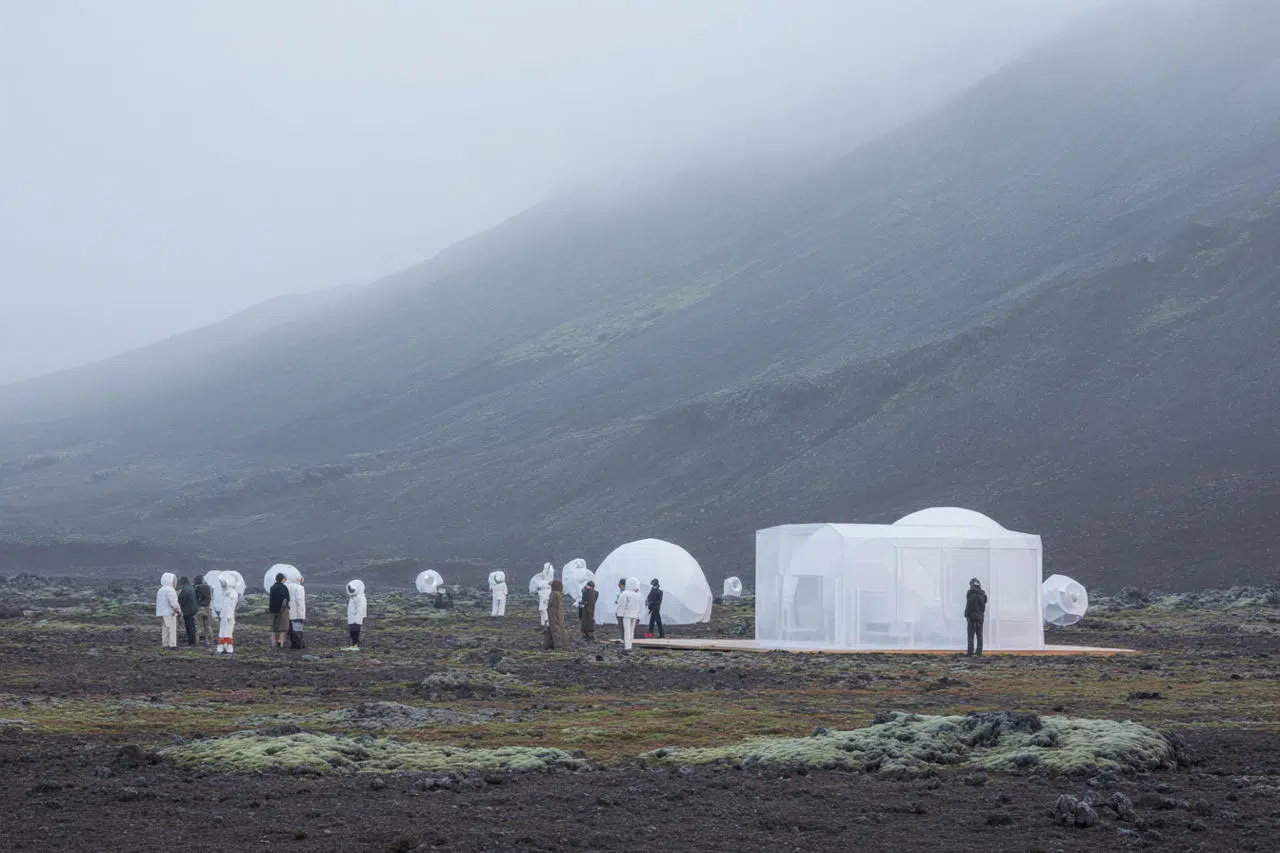
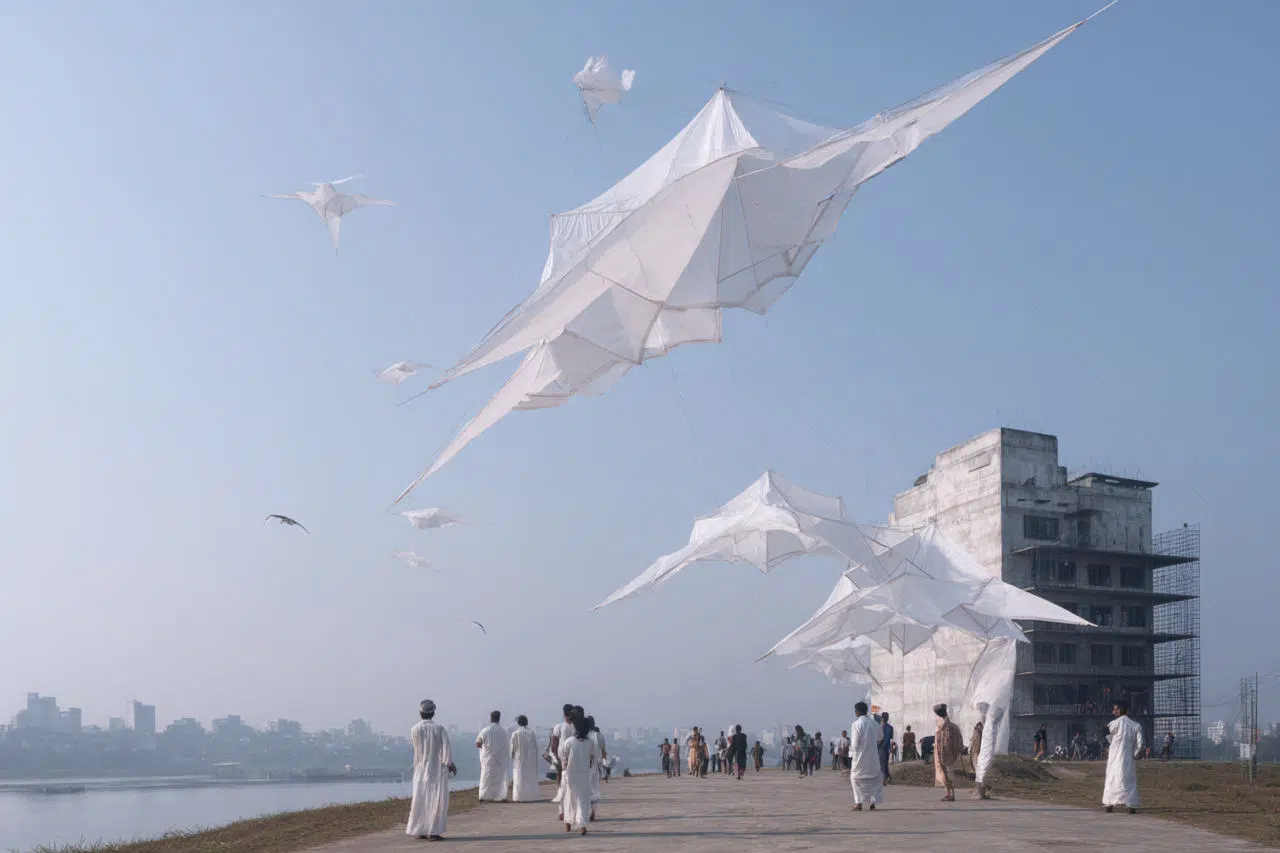
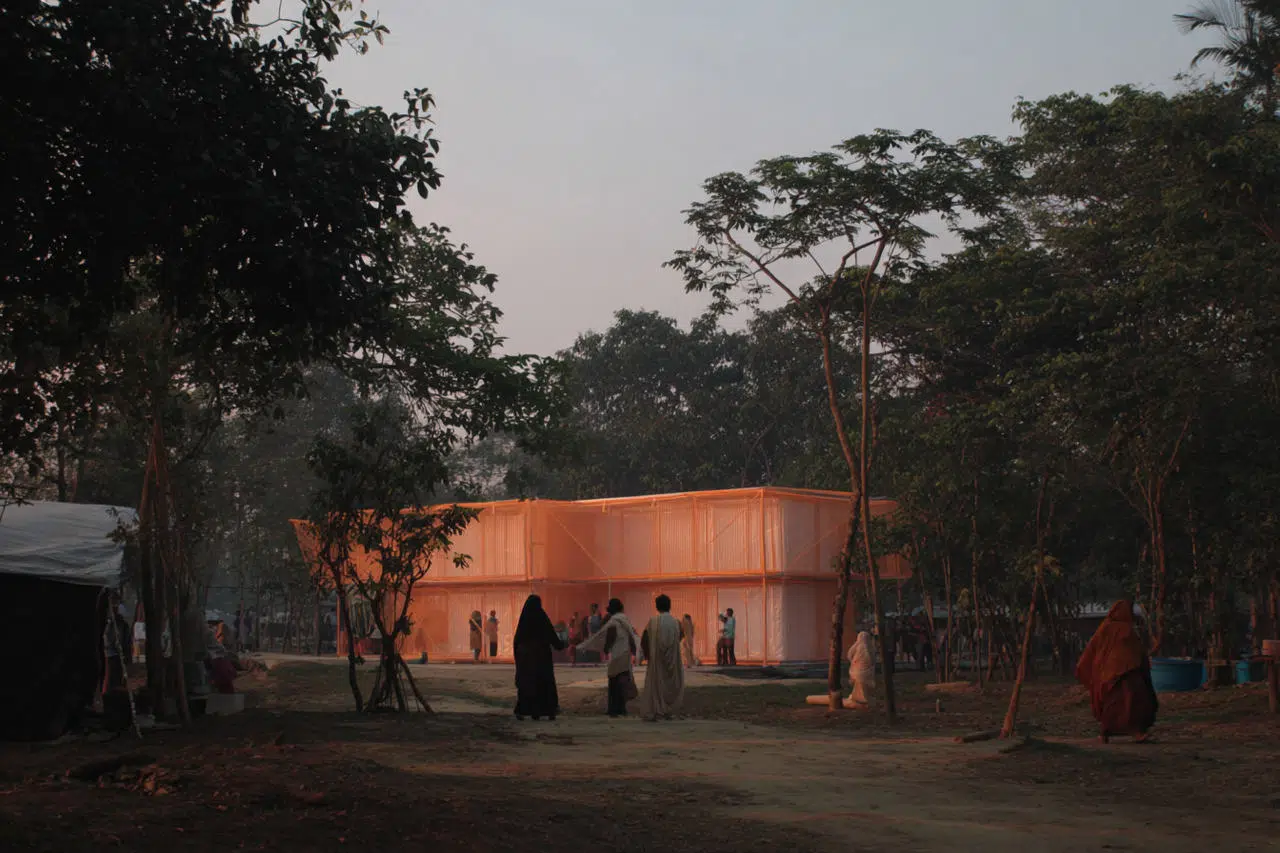
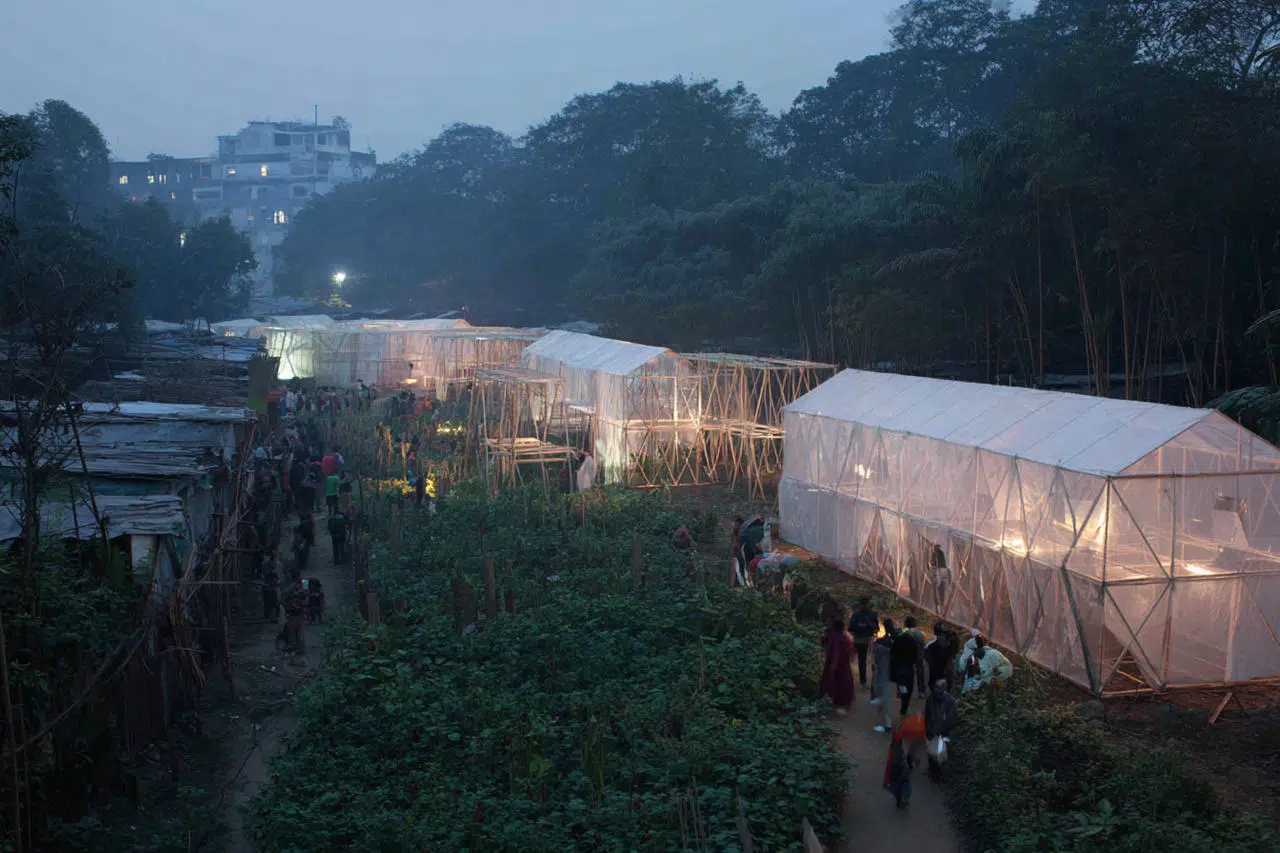
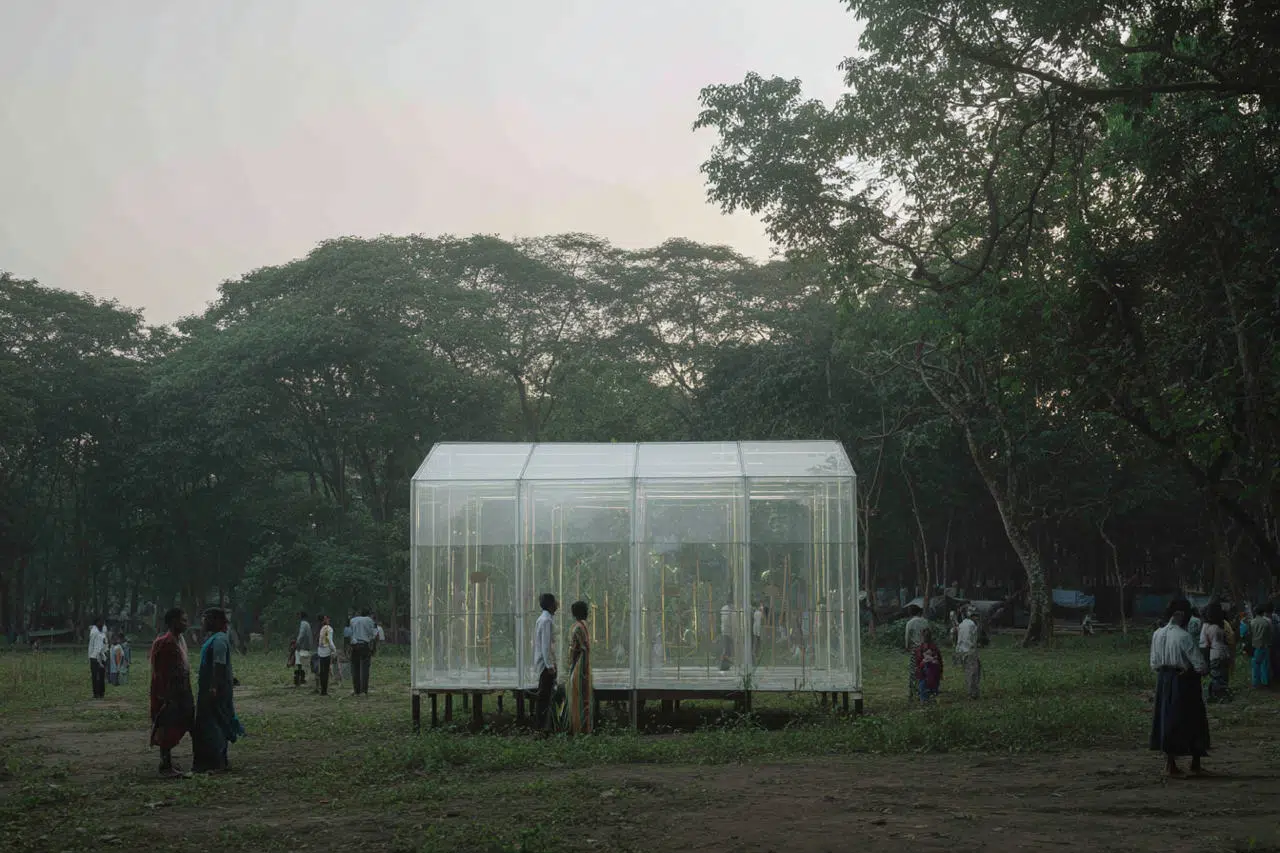

Fragile Habitats is the result of a rapid visual sprint, built on a foundation of precise fine tuning and calibration. More than a design proposal, it is a personal act of visual unlearning, a way to strip back the dominant imagery that has shaped our collective sense of “sustainable futures.”
Over the past decade, a flood of glossy visuals from corporate sustainability departments, architecture firms and growth-driven institutions has saturated our imagination. These visuals promise green tech, vertical gardens, clean lines and endless optimization. Behind them lie the same extractive logics, wrapped in new materials.
This project steps away from those narratives. It explores a visual vocabulary grounded in frugality, adaptation and shared survival. The images sketch makeshift habitats, agricultural infrastructure, mobile shelters and low-tech tools. Built from context. Inhabited, not just imagined.
There are no cars, no glass towers, no clean user interfaces. Just traces of a life made with others, from what is at hand. The project offers no solutions. It does not scale.